Find a Female Therapist in New York
Explore female therapist therapists licensed to work with New York residents, including practitioners in New York City, Buffalo, Rochester, Albany, and Syracuse. This page highlights professionals who focus on the female therapist specialty across the state. Browse the listings below to compare backgrounds, specialties, and appointment options.



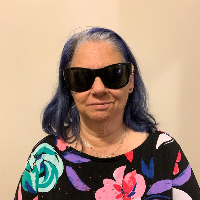
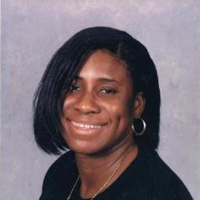
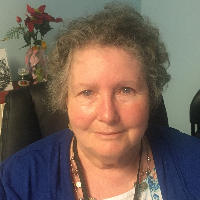
Dr. Colleen Downes
LCSW
New York - 35 yrs exp
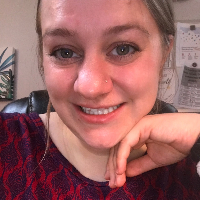


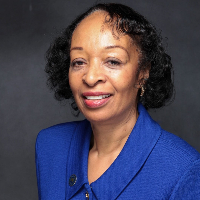






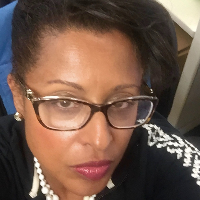
Iesha Whitaker
LCSW
New York - 8 yrs exp






How female therapist therapy works for New York residents
If you are considering female therapist therapy in New York, the process usually begins with identifying a therapist whose training and approach match your needs. Many therapists offer an initial consultation - often shorter than a full session - so you can ask about their education, methods, and experience with issues related to the female therapist specialty. For in-person sessions you will typically meet in an office or clinic in your city. For online appointments you will join a scheduled video or phone session from a location that feels comfortable for you. In either format the early appointments are often focused on assessment and goal-setting so you and the therapist can decide how best to work together.
In-person care and local resources
When you choose an in-person therapist, proximity can matter for convenience and continuity. Larger urban areas like New York City generally have a wide range of practitioners with varied training and niche expertise, while cities such as Buffalo and Rochester may offer therapists who combine specialty care with strong community ties. You may find clinics that accept insurance, agencies that provide sliding scale fees, and practitioners who collaborate with local health providers. If you live outside a major city, consider how travel time, public transit, and clinic hours fit your schedule when selecting a provider.
How insurance and payment often work in New York
Payment practices vary from clinician to clinician. Some therapists accept major insurance plans and will bill directly to your carrier, while others operate on a private-pay basis and provide a receipt you can submit for out-of-network reimbursement. Many therapists also offer a sliding scale for those with financial need. It helps to ask about fees, insurance billing, cancellation policies, and whether the therapist offers shorter or longer session lengths so you can find an arrangement that matches your budget and availability.
Finding specialized help for female therapist in New York
Locating a therapist who truly understands your specific concerns can make a difference in how quickly you feel understood and how useful the work becomes. Start by reviewing clinician profiles to see education, licenses, and areas of concentration. Certain issues - such as life transitions, relationship patterns, identity exploration, or workplace stress - often intersect with the female therapist specialty in ways that benefit from focused training and experience. When you read a profile, look for language that speaks to the populations and issues the therapist commonly treats, and consider reaching out to ask about their hands-on experience with those concerns.
Using location to inform your search
Your city can influence the types of services available. In New York City you may find therapists who specialize in niche approaches or who have experience with diverse cultural communities. Buffalo and Rochester may offer a blend of community-oriented clinics and private practitioners who are deeply familiar with local resources. If you prefer a therapist who shares your language or cultural background, you can typically filter searches by language and cultural competence. Even if an ideal match is not nearby, many therapists provide online services that expand your options.
What to expect from online therapy for female therapist
If you choose online therapy you will likely use a video platform or phone sessions. The first online meeting is similar to an in-person intake - you will describe your concerns, review goals, and discuss how you prefer to work. Sessions usually last between 45 and 60 minutes, though some therapists offer shorter check-ins or longer sessions when appropriate. Online therapy can be especially helpful if you live far from specialized care, have mobility limitations, or need more flexible scheduling. You should expect the therapist to discuss how they handle record-keeping, scheduling, and their approach to boundaries for virtual work so you know what to expect between sessions.
Considerations specific to New York
In New York you will find therapists who are experienced providing care to residents across different communities and boroughs. For residents of New York City, online therapy can complement busy lives and transit-heavy commutes. In smaller cities and suburbs, online appointments may broaden access to clinicians who otherwise practice in larger urban centers. When you select a telehealth provider, check whether they mention experience working with clients in New York and whether their availability aligns with your time zone and schedule.
Common signs that someone in New York might benefit from female therapist therapy
You might consider seeking female therapist therapy if you notice persistent patterns of stress, changes in mood, recurring relationship difficulties, or challenges adjusting to life transitions. You may be struggling with sleep, concentration, or motivation in ways that interfere with daily life. Sometimes a specific event prompts a search for help - a breakup, a job change, caregiving demands, or postpartum adjustment. Other times you may feel a general sense that things are not aligning with your values or goals and want guidance in clarifying next steps. If work or family obligations leave you overwhelmed, or if you feel isolated despite being surrounded by people in a busy city like New York City, reaching out for professional support can be a constructive step.
Tips for choosing the right therapist for this specialty in New York
Begin by clarifying your priorities. Decide whether you prefer in-person sessions, online sessions, or a mix of both. Think about logistics - such as travel time and appointment hours - and practical matters like fees and insurance. Read clinician profiles for details about training and therapeutic approaches. If a therapist mentions modalities you are curious about - for example cognitive behavioral techniques, trauma-informed care, or relational approaches - consider asking how those methods are applied in therapy. Reach out to potential therapists with a short set of questions about experience, availability, and approach. An initial conversation can help you evaluate whether their style feels like a fit.
Trust your instincts during the early sessions. It is normal to need a few meetings to gauge rapport and to see how the work unfolds. If a therapist is not the right fit, it is reasonable to look for another provider whose experience and style align better with your needs. You may also find value in therapists who collaborate with other professionals - such as physicians, psychiatrists, or community programs - when the situation calls for coordinated care. Finally, consider practical supports in your area, such as community mental health centers, workplace wellness programs, or local referral networks that can help you connect with the right clinician.
Choosing therapy is a personal process, and finding a therapist who respects your perspective and goals can make the work more effective. Whether you search in New York City, Buffalo, Rochester, Albany, or Syracuse, the right match is one where you feel heard, understood, and able to work toward meaningful change. Use the listings on this page to compare backgrounds, ask thoughtful questions, and schedule an initial appointment that fits your life and needs.