Find a Family of Origin Issues Therapist in New York
This page lists therapists in New York who focus on family of origin issues, with options for in-person and online care. Explore profiles below to compare experience, approaches, and availability across New York City, Buffalo, Rochester and other communities.

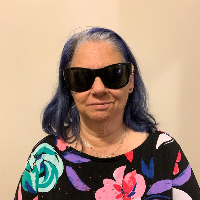
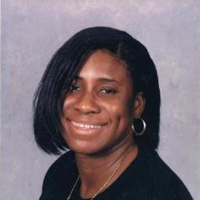
Dr. Colleen Downes
LCSW
New York - 35 yrs exp

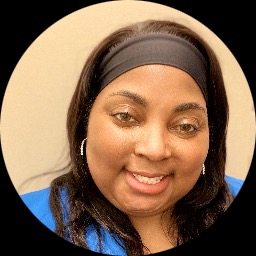
Iesha Whitaker
LCSW
New York - 8 yrs exp



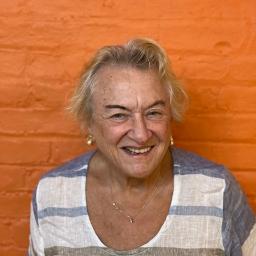

Claudia Stoscheck
LCSW
New York - 30 yrs exp











How family of origin therapy works for New York residents
Family of origin therapy helps you explore how early relationships and family patterns continue to shape your emotions, choices, and relationships today. In New York, therapists draw on a variety of approaches - including family systems work, attachment-focused therapy, trauma-informed methods, and relational psychodynamic approaches - to help you trace patterns across generations. The work often begins with an intake conversation to establish goals and identify recurring dynamics, followed by sessions that examine how family roles, rules, loyalties, and communication styles have influenced your sense of self.
Because New York includes dense urban areas, suburban neighborhoods, and more rural communities, the ways family of origin issues present can vary. In New York City, for example, you may find multigenerational households and immigrant family stories that bring cultural expectations into the therapeutic frame. In Buffalo, Rochester, Albany, and Syracuse, long-term community ties and local family traditions can play an important role. A skilled therapist will situate your family history within the cultural and social context that matters to you.
Finding specialized help for family of origin issues in New York
When searching for a therapist who specializes in family of origin issues, focus on training and experience with intergenerational patterns, attachment, and relational dynamics. Licensure matters in New York - look for clinicians who are licensed to practice in the state and who list family systems, childhood trauma, or attachment work among their specialties. Many therapists in metropolitan areas such as New York City offer a range of modalities and have experience with diverse populations, while clinicians in smaller cities may combine family of origin work with related specialties like couples therapy or grief counseling.
Therapists can also differ in their theoretical orientation and session style. Some clinicians emphasize insight and exploring family narratives, while others focus on developing new interaction patterns and practical skills for communication. If cultural background, language, or faith are important aspects of your family story, prioritize therapists who describe cultural competence or relevant lived experience. You may also find community mental health centers, university clinics, and nonprofit agencies that offer care tailored to particular cultural or immigrant communities across New York.
What to expect from online therapy for family of origin issues
Online therapy can make it easier to access specialists across New York without long commutes. If you live in a neighborhood of New York City with limited evening availability, or in Buffalo or Rochester where local specialists may be fewer, remote sessions allow you to work with a therapist whose expertise matches your needs. Sessions typically take place by video or phone and follow the same structure as in-person work - intake, goal-setting, and weekly or biweekly sessions focused on your family history and current relationships.
During online sessions you will be asked to create a comfortable, private setting at home where you can speak openly. Therapists will outline practical boundaries for sessions, explain how they manage notes and records, and discuss emergency planning if you ever need immediate help. If technology is an obstacle, many clinicians can offer telephone appointments or help troubleshoot video connections. Online therapy often allows for greater scheduling flexibility, and for some people it reduces the stress of traveling to appointments while still providing meaningful therapeutic change.
Therapy techniques often used online
Many of the same interventions used in person translate well to video work. You may do life-history mapping, explore family trees and generational patterns, practice new communication skills, and engage in reflective exercises that deepen awareness of how past relationships shape present behavior. Some therapists incorporate writing assignments or guided imagery between sessions. Online work can be especially useful for drawing in family context when geographical distance separates family members, or when you want consistent weekly contact alongside a busy New York schedule.
Common signs that someone in New York might benefit from family of origin issues therapy
You might consider family of origin therapy if you notice recurring conflicts in relationships that echo earlier family roles, or if you often feel triggered by patterns that are hard to explain. You may find yourself repeating parenting approaches you did not intend to adopt, or alternately avoiding closeness because of early expectations in your family. These patterns can show up as difficulty trusting others, chronic people-pleasing, intense shame about personal choices, or a persistent sense of being misunderstood by family members.
Other signs include a pattern of choosing similar partners or friends who reflect dynamics from your childhood, or feeling immobilized by family obligations and loyalties that limit your choices. If family milestones - weddings, births, funerals, reunions - consistently stir up old resentments, therapy can help you approach those events with more clarity and agency. Living in fast-paced New York neighborhoods may intensify stress around these issues, making it helpful to work with a clinician who understands both family dynamics and the local pressures you face.
Tips for choosing the right therapist for this specialty in New York
Start by clarifying what you want to change and how you hope therapy will help. If healing specific wounds from childhood is the main goal, prioritize experience in trauma-informed family work and attachment theory. If your focus is improving current relationships, look for clinicians who integrate skills-based interventions and experiential practice. Consider practical matters such as session frequency, location, and whether you prefer in-person care in places like Manhattan or a suburban office near Albany, or remote sessions you can take from home in Syracuse.
Verify licensure and ask about experience with cases like yours during an initial consultation. Many therapists offer a brief introductory call that allows you to assess rapport and ask about approach. Cost and insurance acceptance are practical concerns in New York - confirm whether the therapist accepts your plan or offers sliding-scale options. If cultural fit matters, inquire about the therapist's experience with communities similar to your family background, and whether they speak languages relevant to your household.
Pay attention to how the therapist describes boundaries, record-keeping, and emergency planning. A thoughtful clinician will explain how they protect your privacy and how to contact them between sessions when needed. Trust your sense of whether the therapist allows space for your story, listens without judgment, and helps you set realistic goals. It is reasonable to try several clinicians before deciding who feels like the right fit.
Next steps and encouragement
Beginning family of origin therapy can feel like stepping into a deep and sometimes challenging conversation, but many people find that understanding their family patterns opens new possibilities for relationships and self-understanding. Whether you live in New York City, Buffalo, Rochester, Albany, Syracuse, or elsewhere in the state, there are clinicians with focused training in intergenerational and relational work. Use the listings above to compare profiles, read therapist descriptions, and reach out for an initial conversation. Taking that first step often brings immediate relief in the form of clarity and direction, and it helps you build skills to move forward with greater choice.