Find a Family Therapist in New York
This page connects visitors with Family therapists who serve New York, including professionals offering in-person and remote appointments across the state. Browse the listings below to compare specialties, locations, and availability to find a clinician who meets your family’s needs.






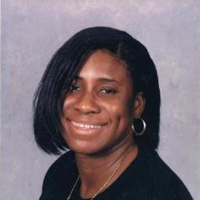
Dr. Colleen Downes
LCSW
New York - 35 yrs exp
















How family therapy works for New York residents
Family therapy brings members together to address patterns, communication, and relationship stresses that affect the household. In New York the process typically begins with an intake session where the therapist gathers background about family relationships, stressors, and goals. After that first meeting you and the clinician collaborate to decide whether sessions will focus on communication skills, parenting strategies, transitions such as divorce or blending families, or chronic conflicts that have become hard to resolve on your own.
Therapists in New York may use a range of therapeutic approaches that are adapted to the needs of each family. Some clinicians emphasize practical skills to change daily interactions, while others explore family history and underlying emotional dynamics. The work is intended to be collaborative and goal-oriented, with the clinician serving as a guide who helps the family try different ways of relating and measuring progress over time.
Session formats and frequency
Sessions can happen in an office, at a community clinic, or online. Frequency varies depending on goals and availability - some families meet weekly at first, then taper to every other week as progress is made. In larger metropolitan areas like New York City you may find more evening and weekend options, while in smaller cities such as Buffalo, Rochester, Albany, or Syracuse availability can be more limited and booking farther in advance may be necessary. Many clinicians combine longer initial sessions with shorter follow-ups to keep momentum while addressing immediate problems.
Finding specialized family help in New York
New York is home to clinicians who specialize in different kinds of family work. Some focus on parenting and behavior management, some on couples and co-parenting after separation, and some on multigenerational issues such as caregiving stress or conflicts between adult children and parents. If cultural competency, language access, or familiarity with a specific community is important to you, look for therapists who list those specialties in their profiles. In urban centers like New York City you are likely to find clinicians experienced with a wide variety of cultures and family structures. In upstate cities such as Buffalo and Rochester, clinicians may have deeper ties to local community services and a strong sense of regional resources.
Licensure and credentials to look for
When you evaluate profiles, focus on licensure and training that match family therapy practice. Licensed social workers, marriage and family therapists, psychologists, and other mental health professionals often provide family therapy, and many hold additional certifications in family systems or relational approaches. In New York state it is appropriate to confirm that a clinician is licensed to practice in-state. You can also review a therapist’s stated approach, years of experience, and any additional training in areas such as trauma-informed care, child and adolescent therapy, or substance use, which can be relevant to many family situations.
What to expect from online family therapy
Online family therapy expands access if travel, scheduling, or distance make in-person appointments difficult. You can join sessions from different locations - for example, one parent at home while a teen connects from a separate room - which can make participation easier for busy families. Technology allows clinicians to observe interactions in the home environment and to work with logistics such as shared parenting arrangements when household members live apart.
Expect an initial conversation about technology, privacy expectations for each participant, and how the clinician will handle emergencies or crises. Good online family therapy focuses on creating predictable routines within sessions, setting norms for respectful discussion, and using screen time intentionally so that conversation, not distraction, drives the work. Some interventions translate easily to video, while other techniques may be adapted to fit the virtual setting. If you live outside major hubs, online options may connect you with specialists who are not available locally, offering access to clinicians with specific expertise in adolescent behavior, blended family transitions, or cultural considerations.
Common signs that someone in New York might benefit from family therapy
You might consider family therapy when repeated patterns of conflict interfere with daily life, when communication has broken down, or when a major life change creates stress for multiple family members. Signs that suggest family therapy could help include escalating arguments that do not resolve, a child’s behavior changes that involve multiple caregivers, frequent misunderstandings about roles and expectations, or difficulty coordinating co-parenting after separation. If a family member’s health challenge, substance use, or mental health concern is affecting the household, family therapy can help you develop strategies to support one another while protecting each person’s wellbeing.
In New York, where economic pressures, housing changes, and busy schedules can increase family tension, therapy can offer a structured place to slow down and reestablish routines. Families living in New York City might face stresses related to commuting and crowded living spaces, while families in Buffalo or Rochester may be balancing work, caregiving, and community ties in different ways. Therapy helps translate stressors into manageable steps and shared agreements tailored to your environment.
Tips for choosing the right family therapist in New York
Start by identifying the issues that feels most urgent to you - parenting, couple dynamics, stepfamily integration, or transition planning - and search for clinicians who highlight that work. Read profiles to learn about a therapist’s approach to families and how they describe progress. You may want someone who draws on evidence-based techniques, or you may prefer a clinician whose style feels relational and exploratory. Consider practical factors such as location, availability, session length, and whether evening or weekend appointments are offered in your area.
When you contact a potential clinician, ask about their experience with families like yours, whether they have worked with children or teens, and how they structure sessions when multiple people participate. Ask how they involve children or adolescents in a way that is developmentally appropriate. If cost or insurance matters, discuss fees and billing policies up front so you can make an informed decision. If language access or cultural knowledge matters to you, inquire about clinicians who have that background or about referral options when a better fit exists elsewhere in the state.
Practical considerations across New York
Transportation, sliding scale options, and community resources vary by region. In New York City you may find many clinicians near public transit hubs, while in smaller cities and rural counties you may need to allow extra travel time or lean more heavily on online appointments. Local family courts, school counselors, and community centers can sometimes provide referrals or coordinate services, so it can be useful to ask prospective therapists how they collaborate with other professionals when needed.
Making the most of family therapy over time
Therapy is a process that benefits from patience and active participation. Set small, achievable goals with your clinician and check in regularly about progress. Practice new communication strategies between sessions and notice what changes and what does not. Celebrate incremental improvements - even small shifts in how you listen or respond to one another can create momentum. If you hit setbacks, bring them into sessions rather than seeing them as failure. A skilled clinician will help you learn from challenges and adjust strategies so the work continues to move forward.
Whether you live in a dense urban neighborhood of New York City, a suburban block in Albany, or a lakeside street in Syracuse, finding a family therapist who understands your circumstances and communicates clearly with your household can make a meaningful difference. Use profiles to compare experience, availability, and approach, and reach out to a few clinicians to get a sense of fit. With the right match, family therapy can help you create new patterns that support connection and cooperation in everyday life.