Find a Domestic Violence Therapist in New York
This directory page highlights therapists in New York who focus on domestic violence recovery, safety planning, and trauma-informed care. Browse the listings below to compare specialties, locations, and appointment options.


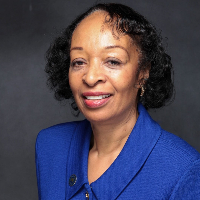




Josephine Ovalles
LCSW
New York - 13 yrs exp

Claudia Stoscheck
LCSW
New York - 30 yrs exp



Christopher Rizzo
LMHC
New York - 7 yrs exp









How domestic violence therapy works for New York residents
If you are seeking support after experiencing domestic violence in New York, therapy typically begins with an initial assessment to understand your immediate needs and goals. In those first conversations the therapist will ask about your current safety, living situation, sources of support, and what you hope to change. Treatment plans are personalized to address trauma symptoms, emotional regulation, practical barriers, and the legal or housing concerns that can arise in New York specifically. Sessions may focus on stabilizing immediate needs, developing a safety plan, and building coping skills that help you manage anxiety, fear, and the ongoing effects of abuse. Over time you and your clinician can work toward processing past events, reclaiming a sense of agency, and rebuilding relationships and routines according to your priorities.
Finding specialized help for domestic violence in New York
When looking for a therapist who understands domestic violence, you will want to seek clinicians who list trauma-informed care or domestic violence experience on their profiles. New York is home to clinicians who work in a range of settings - community clinics, private practice, and nonprofit agencies - so you can find someone near you in New York City, Buffalo, Rochester, Albany, or Syracuse, or opt for online sessions if that fits your needs better. It is helpful to look for mention of experience with safety planning, survivors of intimate partner violence, and coordination with local resources such as advocacy programs and legal aid. You may also want a therapist who has experience with issues that often accompany domestic violence, such as substance use, parenting under stress, or co-occurring mental health challenges. Checking licensure and professional credentials gives you clear information about a clinician's training and legal authorization to practice in New York.
What to expect from online therapy for domestic violence
Online therapy can expand your access to specialized care across New York, letting you connect with therapists who have specific experience even if they are not in your city. In an online session you can expect the therapist to discuss practical safety measures for remote work - for example, agreeing on signals to pause or end a call, scheduling sessions at times when you feel safest, and using technology settings that protect your contact details. Online work often mirrors in-person therapy in structure and therapeutic approaches, but you may also find added convenience in scheduling, reduced travel time for appointments, and the ability to maintain continuity of care if you move between neighborhoods or cities. For people in more rural parts of New York, teletherapy can be especially valuable for accessing clinicians in larger centers like New York City, Buffalo, or Rochester who specialize in domestic violence and trauma.
Differences you may notice between online and in-person care
Online sessions can feel more flexible, but they require attention to practical details like stable internet, a quiet room, and a plan for what to do if privacy is interrupted. In-person sessions may offer you the chance to meet in a calm office setting and to use nearby community supports immediately after a session. Both formats can be effective when the clinician is trained in trauma-informed practices and when a clear plan is in place for your immediate safety concerns.
Common signs that someone in New York might benefit from domestic violence therapy
You might consider therapy if you notice persistent fear around a partner, repeated efforts to hide injuries, or ongoing control over your activities, finances, or relationships. Emotional signs can include ongoing anxiety, difficulty sleeping, intrusive memories, or feeling numb and disconnected from life. You may also see changes in your work or school performance, increased isolation from friends and family, or escalating substance use as a way to cope. If you are involved in legal actions, child custody concerns, or housing instability, therapy can be a place to address the emotional impact of those stressors while also coordinating with legal or advocacy services in New York. If you are unsure whether therapy is right for you, an initial meeting can be a low-commitment way to explore support options and get guidance on next steps.
Tips for choosing the right therapist for this specialty in New York
Choosing a therapist is a personal process, and you should feel empowered to look for someone who fits your needs and makes you feel heard. Start by reviewing profiles for clinicians who mention domestic violence, trauma-focused modalities such as trauma-focused cognitive behavioral therapy or EMDR, and experience with safety planning. Consider practical matters such as whether the therapist sees clients in person in neighborhoods you can reach in New York City or other regional hubs, or whether they offer teletherapy if you prefer remote sessions. Ask about their experience working with people from your cultural background, language needs, or with similar family situations. It is also reasonable to inquire about fees, insurance participation, and whether a sliding scale is available to help manage costs. When you speak with a prospective therapist, notice how they respond to questions about safety and coordination with local resources - a knowledgeable clinician will be able to explain how they can help connect you to community supports and legal advocacy if needed.
Considering logistics and accessibility
Think about scheduling and location in terms of what will make it easiest for you to attend consistently. If you live in or near larger metropolitan areas like New York City, Buffalo, or Rochester, you may find more options for evening or weekend appointments and clinicians with varied specializations. If travel is difficult, teletherapy can reduce barriers. Additionally, check whether a clinician has experience collaborating with local agencies such as victim advocacy programs or housing services, since integrated support often matters when addressing the practical consequences of domestic violence. Accessibility also includes language and cultural competence, so look for therapists who offer services in the language you prefer or who have clear experience working with communities similar to yours.
Working with local resources and next steps
Therapy is often most effective when combined with practical supports. In New York, many communities have domestic violence advocacy programs, legal aid services, and emergency resources that can assist with safety planning, restraining orders, and housing. If you are in immediate danger, contacting local emergency services is essential. For non-urgent needs, a therapist can be a valuable partner in connecting you to advocacy organizations and helping you navigate options. As you begin therapy, you can expect to set goals that reflect both emotional healing and practical steps toward safety and independence. Over time, therapy can help you build coping strategies, reestablish a sense of control, and make decisions that align with your values and safety priorities.
Final thoughts
Finding the right domestic violence therapist in New York is a step toward reclaiming stability and well-being. Whether you connect with a clinician in New York City, find support in Buffalo or Rochester, or choose online sessions that fit your schedule, prioritize a therapist who listens to your goals, understands the local resources available, and collaborates with you on safety and practical needs. If you are unsure where to begin, starting with a brief consultation can help you gauge fit and plan the next steps in your healing journey.