Find a Coping with Life Changes Therapist in New York
This page lists therapists who focus on helping people manage major life transitions across New York. Browse the listings below to compare specialties, approaches, and availability.





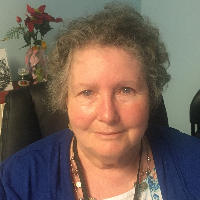
Dr. Colleen Downes
LCSW
New York - 35 yrs exp










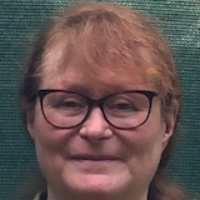
Iesha Whitaker
LCSW
New York - 8 yrs exp







How coping with life changes therapy works for New York residents
When you seek therapy for life transitions in New York, you are looking for support that helps you navigate change rather than treating a specific long-term condition. Therapists trained in this area focus on practical tools to manage stress, process loss, and build new routines. Sessions usually begin by exploring your current situation - what has changed, how that change affects daily life, and what outcomes you want. From there your therapist will work with you to create goals that feel realistic in the context of your work, family, and community in New York.
Therapy for life changes often blends short-term, goal-oriented strategies with deeper conversations about meaning and identity. You may work on communication skills for relationships, grief processing after a loss, or problem-solving for major transitions like career shifts, relocation, caregiving responsibilities, or retirement. The emphasis tends to be on adapting - finding ways to reduce immediate strain while building capacity to handle future changes.
Finding specialized help for coping with life changes in New York
New York offers a wide variety of clinicians who specialize in transitions and adjustment. You will find therapists who practice in-person across boroughs and upstate cities as well as clinicians who offer remote sessions. When searching, look for terms like adjustment-focused therapy, grief counseling, transition coaching, or family therapy if your change affects others. Pay attention to licensing and professional credentials, and consider whether you prefer a clinician with experience serving people in urban environments like New York City or in smaller communities such as Buffalo, Rochester, Albany, or Syracuse.
Local knowledge can matter. A therapist familiar with New York City’s fast pace may offer different strategies than one who regularly works with clients in a suburban or upstate setting. Consider language needs and cultural background as well - New York’s population is diverse, and finding someone who understands your cultural context can help you feel understood more quickly. If you have logistical constraints, look for therapists who offer flexible hours or evening appointments, or who maintain office locations that are accessible by public transit.
What to expect from online therapy for coping with life changes
Online therapy is a convenient option if you live in New York and need flexibility around work or caregiving. You can expect many of the same principles that apply to in-person work - a focus on your goals, tools to manage stress and transitions, and regular review of progress - delivered via video or phone sessions. Before you begin, confirm that the therapist is licensed to practice in New York state, since licensing rules typically require clinicians to hold permission to treat clients in the state where the client resides.
Practical considerations for online work include choosing a quiet, comfortable environment for sessions, checking the platform or software the clinician uses, and discussing how to handle emergencies or urgent needs between sessions. Some people find it easier to open up from home, while others prefer an office setting to maintain a sense of separation between therapy and daily life. If you are balancing a busy schedule in New York City, or commuting in and out of places like Buffalo or Rochester, online sessions can remove travel barriers and increase consistency.
Common signs you might benefit from coping with life changes therapy
You might consider reaching out for support if a life event is affecting your ability to function in ways that matter to you. Persistent feelings of overwhelm, difficulty sleeping, changes in appetite, or trouble concentrating at work are common signals. Social withdrawal or strained relationships with family, friends, or colleagues can also suggest it’s time to seek help. Even if your symptoms do not feel severe, feeling stuck, unsure how to make a decision about a major change, or repeatedly revisiting the same worries are valid reasons to consult a clinician.
Life changes can be diverse - moving to a new city, becoming a new parent, ending a long-term relationship, losing a job, caring for an aging relative, or facing retirement - and each brings its own set of challenges. If you notice that a transition prompts intense or prolonged distress, or that you are relying heavily on unhelpful coping strategies, therapy can provide new perspectives and tools. In places like Albany and Syracuse, where community resources may differ from those in larger metropolitan centers, a therapist can also help you identify local supports and adapt advice to your regional circumstances.
Tips for choosing the right therapist for this specialty in New York
Choosing a therapist who fits your needs starts with clarifying what you want to achieve. Think about whether you want short-term help to navigate a specific transition or a longer process to explore broader life changes. Look for clinicians who explicitly list experience with transitions similar to yours. Read profiles to learn about their approach - cognitive-behavioral strategies can offer concrete tools for managing stress, while narrative or existential approaches may focus on meaning and identity as you move through change.
Consider logistics and access. If you prefer in-person sessions, search for offices in convenient neighborhoods or near transit lines. New York City offers many clinicians with evening availability, while other cities like Buffalo and Rochester may have greater daytime availability. Ask about fees, insurance acceptance, sliding scale options, and cancellation policies so you can plan financially. It is reasonable to request a brief introductory call to get a sense of rapport - feeling heard and respected in those first moments is an important indicator of fit.
Questions to guide your choice
When you contact a therapist, you might ask about their experience with your particular type of transition, how they measure progress, and what a typical session structure looks like. Inquire about cultural competency, language options, and whether they have worked with people from similar backgrounds. If you are seeking online sessions, confirm how they address privacy and how records are managed. Trust your instincts - if a clinician’s style does not feel like a match after a few sessions, it is okay to look for someone else who better aligns with your needs.
Beginning therapy and next steps in New York
Starting therapy is a practical step toward managing change. Begin by narrowing your search to a few profiles that match your priorities, then reach out to schedule an initial consultation. Use that meeting to describe your situation, ask about the therapist’s relevant experience, and discuss scheduling and costs. Many therapists will help you set short-term goals so you can evaluate whether the approach is helping you adapt.
Remember that therapy is a collaborative process - you are not required to follow any single method, and the best results often come from a tailored plan that combines techniques to meet your unique situation. Whether you live in the heart of New York City, in the quieter neighborhoods of Albany, or upstate in Syracuse or Rochester, you can find clinicians who understand the specific stresses and opportunities of life in New York. Reaching out for support can help you move through transitions with greater clarity and resilience - and when you are ready, the therapist listings above are a good place to begin your search.