Find a Cancer Therapist in New York
This page connects you with therapists in New York who focus on the emotional, practical, and interpersonal impacts of cancer. Browse the listings below to compare specialties, approaches, and availability so you can find a clinician who meets your needs.

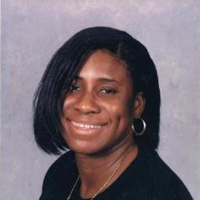
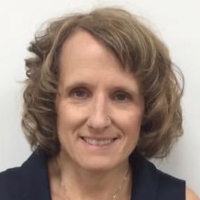
Dr. Colleen Downes
LCSW
New York - 35 yrs exp


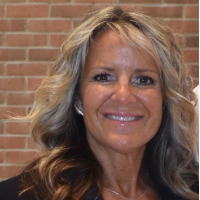
Claudia Stoscheck
LCSW
New York - 30 yrs exp













How cancer therapy works for New York residents
When you seek therapy related to a cancer diagnosis, the work typically centers on supporting you through treatment decisions, coping with changes to daily life, and managing emotions such as fear, grief, anger, and uncertainty. Therapists who specialize in oncology-related concerns use a range of evidence-informed approaches to help you build skills for stress management, process reactions to medical news, and strengthen relationships with caregivers and family members. In New York, many clinicians work alongside medical teams or coordinate care with social workers and support services so that your emotional care complements your medical care.
Your first sessions will often involve an assessment of what is most pressing for you now - for example anxiety about procedures, difficulty sleeping, or challenges communicating with loved ones. From there, you and your therapist set goals and choose strategies that fit your life and stage of treatment or recovery. Therapy can be short-term and focused, or longer-term if you need more extensive support to adapt to long-term effects or survivorship concerns.
Finding specialized help for cancer in New York
New York has a wide range of clinicians who focus on cancer-related therapy, from counselors who concentrate on adjustment after diagnosis to clinicians with training in trauma, palliative care support, or family systems. If you live in New York City you will find many practitioners near major medical centers and community programs, while residents of Buffalo, Rochester, Albany, or Syracuse can access both local specialists and clinicians who offer remote appointments. You can search for therapists who list oncology experience, bereavement counseling, pain management support, or caregiver-focused services to match the support you need.
When looking for a clinician, pay attention to their stated experience with medical issues, comfort with discussing treatment-related topics, and whether they offer collaboration with oncology care teams. Many therapists in the state have experience navigating insurance processes and can help you understand coverage for mental health services. If transportation or scheduling is a barrier, consider clinicians who provide flexible hours or online sessions so you can prioritize consistent care alongside medical appointments.
What to expect from online therapy for cancer
Online therapy can be a practical option if you are receiving treatment, have mobility limitations, or live outside major metropolitan areas. In an online session you can expect a similar therapeutic structure to in-person work - regular appointments, therapeutic exercises, and a personal conversation with a licensed clinician. Technology allows you to connect from home, a treatment center waiting room, or another place where you feel comfortable, which can reduce stress associated with travel and scheduling.
Before your first online session you will typically receive information about how to join the video call, what to do if the connection fails, and how billing is handled. If you are in New York City, Buffalo, Rochester, or other cities, online therapy also broadens your options so you can find a therapist whose specialty and approach fit you, rather than choosing only from locally available clinicians. Many people find online sessions especially helpful during active treatment or when fatigue and side effects make leaving home difficult.
Common signs that someone in New York might benefit from cancer therapy
You might consider reaching out for therapy if you notice persistent changes in mood, such as ongoing sadness or anxiety that interferes with daily routines. Difficulty sleeping, changes in appetite, increasing isolation, or trouble concentrating are common indicators that additional emotional support could help you cope better. If your relationships with partners, family members, or caregivers become strained due to communication breakdowns or differing coping styles, therapy can provide a structured space to address those issues.
Other signs include feeling overwhelmed by treatment decisions, experiencing intrusive medical-related worries, or having trouble returning to work or social life after treatment. Caregivers and family members may also benefit from therapy if they are finding the emotional or logistical demands of supporting a loved one hard to manage. Reaching out early can make it easier to learn coping skills and access resources before small difficulties become more entrenched.
Tips for choosing the right therapist for cancer-related needs in New York
When evaluating therapists, consider both clinical training and lived experience with medical issues. Look for clinicians who explicitly mention oncology, chronic illness, grief, or caregiver support in their profiles. You may prefer someone trained in specific therapeutic approaches like cognitive behavioral therapy for anxiety, meaning-centered therapy for existential distress, or family systems work for relationship issues. If cultural, language, or identity factors are important to you, seek a therapist who demonstrates cultural competence and offers services in your preferred language.
Practical matters matter too. Check whether the therapist accepts your insurance or offers a sliding scale if cost is a concern. Consider location and availability - if you live in a busy area such as New York City you may have more options for evening or weekend appointments, while in Buffalo or Rochester you may want someone who offers telehealth. Ask about cancellation policies, appointment length, and whether the clinician collaborates with medical teams when appropriate.
During an initial consultation you can ask about the therapist's experience with cancer-related issues, the kinds of outcomes other clients have seen, and what a typical session looks like. It is reasonable to ask how they approach symptom management versus long-term adjustment, and whether they offer resources between sessions. Trust your sense of fit - therapeutic change is more likely when you feel heard and understood, and it is okay to try a few clinicians before settling on one.
Putting therapy into your overall care plan
Therapy is often most effective when it is part of a broader support plan that includes your medical team, community resources, and practical supports such as transportation or financial counseling. Many people coordinate therapy alongside oncology appointments, support groups, rehabilitation services, or palliative care teams. If you are juggling appointments across different locations in New York - for example, commuting into New York City for specialty care while living upstate - online therapy can help maintain continuity.
Remember that seeking help is a sign of strength and an investment in your overall well-being. You do not need to wait until things feel overwhelming to start therapy - early engagement can equip you with techniques to manage treatment stress, improve communication with loved ones, and regain a sense of control. If you are supporting someone with cancer, consider looking for family or caregiver therapy to address the interpersonal impact and build sustainable support strategies.
Next steps
Start by reviewing profiles to find therapists who match your needs in specialty, approach, and logistics. Reach out to ask a few questions about their experience and approach, and consider scheduling an initial session to assess fit. If your circumstances change you can adjust your care plan or try a different clinician until you find the support that feels right for you. With thoughtful choices, therapy can be a helpful part of navigating the emotional and practical challenges that come with a cancer diagnosis in New York.