Find a Black Therapist in New York
This page lists clinicians who identify with the Black Therapist specialty and practice in New York. You can browse profiles to learn about approaches, credentials, and availability across the state.
Use the listings below to compare therapists by experience, location, and areas of focus, then contact someone who feels like the right fit.

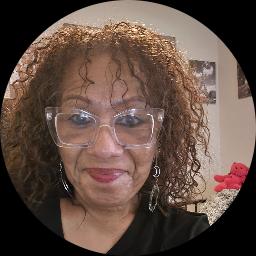
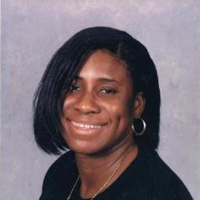
Dr. Colleen Downes
LCSW
New York - 35 yrs exp
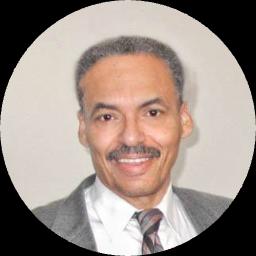
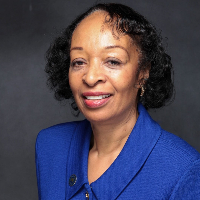


Iesha Whitaker
LCSW
New York - 8 yrs exp


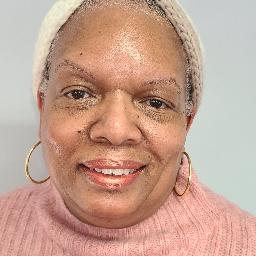
Henrietta Long-Hall
LCSW
New York - 12 yrs exp




How Black Therapist Therapy Works for New York Residents
If you are looking for therapy that centers Black experience, you will find practitioners who prioritize cultural context, racial identity, and the social challenges many Black New Yorkers face. Therapy in this specialty typically follows the same practical steps as other forms of mental health care - an initial intake to understand your needs, collaborative goal-setting, and ongoing sessions to support change - but it places additional emphasis on how race, history, and community factors shape your daily life. You may meet with a clinician in person in a local office, or through online appointments that let you connect from home, a workplace break, or another setting that works for your schedule.
Initial appointment and ongoing care
Your first session is often a chance to describe what brings you to therapy, share relevant background, and ask about the clinician's training and approach. Therapists who focus on Black communities will often ask about experiences related to racial stress, family and community dynamics, and any barriers you have encountered when seeking care. From there, you and the clinician will agree on how frequently to meet and what types of interventions to try. Sessions can be short-term and problem-focused or longer-term and exploratory depending on your goals and how you respond to the work.
Therapy approaches and settings
Practitioners in this specialty use a range of therapeutic methods - from relational and psychodynamic frameworks to cognitive-behavioral strategies and trauma-informed care - tailored to the individual. In cities like New York City, Buffalo, and Rochester, you can find clinicians offering evening hours, weekend appointments, and hybrid models combining in-person and virtual sessions. When you compare profiles, look for descriptions of the therapeutic approach so you get a sense of what day-to-day work might feel like.
Finding Specialized Help for Black Therapist in New York
Searching for a therapist who shares or deeply understands Black cultural experience starts with clarifying what matters most to you. Consider whether you prefer a clinician who personally identifies as Black, someone who has significant experience working with Black clients, or a practitioner trained in race-aware therapy. In practical terms, filter listings by location, insurance participation, language, and areas of expertise so that the options you review are realistic for your life. If you live near major hubs such as New York City, you will generally find more choices and varied specialties. In smaller cities like Buffalo or Rochester there are still experienced clinicians, and teletherapy options can widen your access to therapists across the state.
Local resources and referrals
You can also seek recommendations from community organizations, neighborhood health centers, or trusted friends and family who have had positive experiences. Some local cultural centers, student health services, and employee assistance programs maintain referral lists that highlight clinicians who prioritize race-conscious care. When you call or email a therapist, you can ask about their work with issues that are important to you - for example, racial trauma, intergenerational patterns, parenting, or professional stress in urban environments.
What to Expect from Online Therapy for Black Therapist
Online therapy can be a practical and effective way to work with a clinician who focuses on Black experience while avoiding travel time and scheduling conflicts. You should expect the same elements as an in-person session - a private appointment, collaborative planning, and a focus on your stated goals - but delivered over video or phone. Many therapists will offer guidance on preparing for virtual sessions, such as finding a quiet corner, using headphones for clearer sound, and making sure your device and internet connection are working.
Working remotely may allow you to connect with therapists outside your town, which can be especially helpful if you live in a less populated part of the state or require a provider with a specific specialty. When you choose online care, ask about what platforms the clinician uses and how they manage records and scheduling. It is reasonable to inquire about boundaries for session times, policies for missed appointments, and how to reach the therapist in urgent situations. These practical questions help you set expectations and feel confident about the arrangement.
Common Signs You Might Benefit from Black Therapist Therapy
You might consider reaching out for therapy if you find yourself feeling persistently overwhelmed, disconnected, or stuck in patterns that reduce your quality of life. You may be dealing with the emotional effects of racism, microaggressions at work or in daily life, or stress related to navigating institutions that do not always respond to Black needs. Other reasons people seek this specialty include struggles with identity, intergenerational family dynamics, grief and loss, relationship stress, or difficulty managing anxiety and depression. Living in a large metropolitan area can bring unique pressures, and if you are in New York City you may also be balancing intense work demands, commuting, and a fast pace that wears on your mental energy.
If you notice changes in sleep, appetite, concentration, or a loss of interest in activities you used to enjoy, those are also signals that a conversation with a professional could be helpful. Reaching out early can prevent problems from becoming more entrenched, and therapy that takes your cultural background into account can make those conversations feel more relevant and resonant.
Tips for Choosing the Right Therapist in New York
Choosing a therapist is a personal decision that blends practical considerations with how comfortable you feel with a clinician's style. Begin by reviewing profiles to see who lists the issues you want to address and what therapeutic approaches they use. Pay attention to availability and whether they accept your insurance or offer sliding-scale fees. If location matters, search by city - whether you are near Albany, Syracuse, Buffalo, or Rochester - and confirm whether the clinician offers in-person appointments or only virtual care.
When you contact a potential therapist, think of the first call as an interview. You can ask about their experience with themes that matter to you, such as racial identity work, parenting in multicultural families, or supporting professionals of color. Ask how they measure progress and what a typical session looks like. Trust your instincts about rapport - if you feel listened to, respected, and understood during an initial conversation, that is a positive sign. It is normal to try more than one clinician before you find someone who feels like the right fit.
Finally, consider practical logistics like evening hours, language options, and accessibility features if you have mobility needs. Many therapists in New York tailor their schedules to accommodate commuters and working adults, and teletherapy can further expand your options. Choosing a therapist who aligns with both your practical needs and your cultural priorities can make the work more effective and easier to maintain over time.
Taking the next step
Once you identify clinicians who seem like promising options, reach out to schedule an intake or brief consultation. Remember that therapy is a collaborative process - you have a role in shaping the work, setting goals, and giving feedback if something is not working. Whether you are in a city center or a smaller community, finding a clinician who honors your experience and brings relevant skills can be an important step toward greater well-being in your life.