Find an ADHD Therapist in New York
This page connects you with therapists who specialize in ADHD care for people across New York, with options for both in-person and online sessions. Browse the listings below to compare specialties, approaches, and availability in your area.


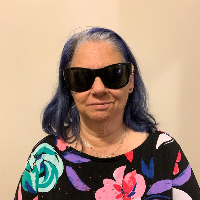
Dr. Colleen Downes
LCSW
New York - 35 yrs exp



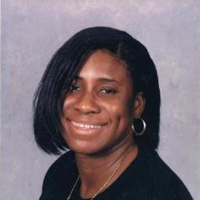
Iesha Whitaker
LCSW
New York - 8 yrs exp




Henrietta Long-Hall
LCSW
New York - 12 yrs exp

Josephine Ovalles
LCSW
New York - 13 yrs exp












How ADHD therapy typically works for New York residents
When you begin ADHD therapy in New York, the process usually starts with an intake session where the clinician gathers your history, current challenges, and goals. You can expect a focus on practical strategies as well as understanding how ADHD affects your daily life at school, work, or home. Many therapists blend behavioral techniques, skills training, and coaching-style support to help you manage attention, organization, time management, and emotional regulation. Sessions often include collaborative goal setting so you and your therapist can track progress over time and adjust approaches as needed.
Finding specialized help for ADHD in New York
Finding a specialist means looking for clinicians who list ADHD as a core area of practice and who have experience with the age group you are seeking help for - whether that is a child, adolescent, college student, or adult. In large urban centers like New York City you will find clinicians who focus on comorbid presentations and niche interventions, while communities in Buffalo, Rochester, Albany, and Syracuse may offer clinicians with strong general ADHD experience and ties to local school systems. You may also find it useful to search for clinicians who work closely with psychiatrists, educational consultants, or occupational therapists if you anticipate needing multi-disciplinary support.
Licensing and practical considerations
Make sure a therapist holds the appropriate New York license if you plan to meet in person. If you prefer online sessions, check whether the clinician is authorized to provide telehealth services to New York residents. Ask about insurance participation, out-of-network options, sliding scale arrangements, and typical session length and fees so you can plan for ongoing care. Availability can vary by region, so flexibility around telehealth can broaden your options, particularly if you live outside a major metropolitan area.
What to expect from online therapy for ADHD
Online therapy for ADHD offers flexibility that many people find essential. You can attend sessions from home, a quiet office at work, or a parked car between appointments if you need privacy for a brief check-in. Online sessions typically use video so you can work visually with tools like screen-shared planners, whiteboard-style task lists, and digital worksheets. Therapists often assign practical between-session tasks such as time-blocking experiments, organization challenges, or brief behavioral experiments that you can implement and report back on during video visits.
Benefits and limitations of remote work
The benefits of online therapy include easier scheduling, the ability to work with providers outside your immediate area, and continuity when travel or relocation occurs. In places like Buffalo or Rochester, online options can connect you to clinicians with niche expertise who might not have local offices. Limitations may include challenges with finding a distraction-free environment at home, or technical interruptions. It is useful to discuss with your therapist how to manage interruptions and how to adapt in-session activities for remote formats.
Common signs that someone in New York might benefit from ADHD therapy
People often seek ADHD therapy when challenges in focus, organization, impulsivity, or time management begin to interfere with school, work, relationships, or day-to-day functioning. You might notice chronic difficulty starting tasks, frequent missed deadlines, trouble managing household routines, or a pattern of losing important items. Emotional symptoms such as frustration, low self-esteem tied to performance, or difficulty with sustained motivation can also lead people to pursue therapy. If you are a parent, you may notice similar patterns in a child or teen that affect classroom behavior or homework completion. College students and adults commonly seek help for executive functioning skills, study strategies, career support, and relationship difficulties related to ADHD traits.
Practical tips for choosing the right ADHD therapist in New York
Start by clarifying what you want from therapy - skill-building, symptom management, coaching, or a combination. Look for clinicians who describe specific ADHD treatments or approaches that match your goals, such as cognitive-behavioral strategies, executive functioning coaching, or skills-based interventions. Read profiles to learn about clinicians experience with your age group and any related concerns like anxiety, mood differences, or learning needs. Consider logistics such as location, session format, language, insurance, and hours that fit your schedule. If you live in New York City you may have more options for specialists, while in smaller cities like Buffalo or Rochester you may appreciate clinicians who collaborate closely with schools or local services.
Questions to ask during a consultation
When you reach out for a consultation, ask about the therapist's experience working with ADHD, typical treatment goals, how progress is measured, and what kinds of homework or skill practice they recommend. Inquire about their approach to working with any co-existing concerns you have, and how they coordinate care with other providers such as pediatricians, psychiatrists, or educational teams. Ask about cancellation policies, session length, and whether they offer brief check-ins in addition to full sessions. A good match is not only about training but also about whether you feel heard and supported when discussing practical challenges.
Local context and next steps
New York's diverse regions mean that your experience finding and receiving ADHD therapy can vary. In urban neighborhoods you may find clinicians offering evening hours or specialized clinics. In suburban and rural areas you may rely more on telehealth to access clinicians with ADHD expertise. No matter where you are, it helps to prepare for your first appointment by bringing notes on current difficulties, prior assessments or school reports if available, and a short list of goals you hope to achieve. If you are seeking support for a child, bring examples of school observations or teacher feedback that illustrate day-to-day patterns.
Choosing a therapist is a personal decision and it may take a few consultations to find the right fit. By focusing on clear goals, practical strategies, and a clinician whose experience aligns with your needs, you can find approachable care that helps you manage ADHD-related challenges in your daily life. Use the listings above to compare providers in New York City, Buffalo, Rochester, and beyond, and reach out to start the conversation about how a therapist can support your goals.