Find an Abandonment Therapist in New York
This page connects visitors with therapists in New York who focus on abandonment and attachment-related concerns. You will find clinicians offering both online and in-person care across the state - browse the listings below to compare profiles and contact options.


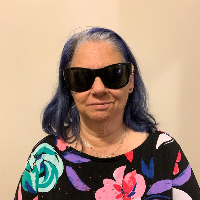

Dr. Colleen Downes
LCSW
New York - 35 yrs exp



Iesha Whitaker
LCSW
New York - 8 yrs exp






Josephine Ovalles
LCSW
New York - 13 yrs exp



Claudia Stoscheck
LCSW
New York - 30 yrs exp








How abandonment therapy works for New York residents
If you are seeking help for fears of abandonment, attachment wounds, or relationship patterns that feel stuck, therapy typically begins with an assessment and conversation about goals. A clinician will ask about your relationship history, current concerns, and what you hope to change. From there you and the therapist agree on an approach that may include attachment-informed work, cognitive and emotional strategies, trauma-sensitive methods, or experiential techniques designed to help you notice and shift unhelpful patterns.
Sessions often follow a weekly or biweekly schedule at first, with the option to adjust frequency as progress is made. Many therapists in New York offer both shorter-term focused work and longer-term therapy depending on whether you want targeted skills or deeper exploration. Practical matters such as session length, fees, insurance acceptance, and cancellation policies vary by clinician and are typically discussed during an initial consultation.
Finding specialized help for abandonment in New York
When you look for a therapist who specializes in abandonment issues, consider both professional credentials and specific experience with attachment-related problems. In New York the most common licensed providers include licensed clinical social workers, licensed mental health counselors, and clinical psychologists. It can be helpful to note whether a clinician lists attachment-focused therapy, relational or couples work, trauma-informed care, or experience with family separation on their profile.
Geography matters. In New York City you will often find a wider range of specialists and niche approaches, while in Buffalo, Rochester, Albany, or Syracuse you may encounter community clinics and university-affiliated training clinics that offer lower-cost options. Telehealth expands access across the state, allowing you to work with clinicians whose backgrounds and approaches match your needs even if they are based in another region of New York.
Licensure and local considerations
Confirm that any clinician you consider is licensed to practice in New York and that their scope of practice aligns with your needs. If cultural competence is important to you, look for clinicians who mention experience with specific communities, age groups, or life circumstances. Some therapists list training in attachment theory, family systems, or early life trauma, which can be particularly relevant for abandonment concerns.
What to expect from online therapy for abandonment
Online therapy can be a practical way to pursue abandonment work if you live far from specialized clinicians or have scheduling constraints. Sessions usually take place through video calls, and you will discuss workflow, scheduling, and emergency planning with your therapist before beginning. Many people find that online sessions offer continuity and convenience without sacrificing depth, especially when a therapist uses structured exercises, guided imagery, or real-time skills practice tailored to attachment wounds.
If you live in more rural parts of New York or move between cities like Buffalo and Rochester, online options can maintain consistency in your care. You and your therapist will decide how to handle moments of high distress or crises, including a plan for reaching local emergency services if needed. It helps to choose a quiet, comfortable environment for sessions and to test technology ahead of your first appointment to reduce interruptions.
Benefits and limitations of virtual work
Virtual work allows you to connect with clinicians who specialize in abandonment issues even if they are not local. It can reduce travel time and increase scheduling flexibility. However, some interventions may be easier in person, and if you prefer face-to-face contact you can search for clinicians who offer in-person availability in your city. In larger metropolitan areas like New York City you may have more immediate access to in-person specialists, while smaller cities often rely more on telehealth options to broaden choices.
Common signs you might benefit from abandonment therapy
You might consider abandonment-focused therapy if you notice recurring relationship patterns that cause distress. This can include intense fear of rejection that leads to clinginess or withdrawal, a pattern of choosing partners who are emotionally unavailable, or repeated breakups that feel traumatic rather than ordinary. You may find it hard to trust others, experience strong reactions to separations or perceived slights, or feel anxious when a partner needs space.
Other signs include difficulty setting healthy boundaries because of worry about being left, challenges with parenting when attachment wounds surface around separation or caregiving, or persistent low self-worth tied to earlier losses. If these patterns interfere with your daily functioning, work, or relationships, working with a therapist who understands attachment dynamics can help you identify underlying needs and practice new ways of relating.
Tips for choosing the right therapist for abandonment work in New York
Start by clarifying what you want from therapy - symptom relief, better relationship skills, or processing past losses - and prioritize therapists who articulate an approach that fits those goals. You may prefer someone who emphasizes attachment theory, someone with trauma-informed training, or a therapist who integrates skills-based techniques to manage anxiety and interpersonal reactions. Ask potential therapists about their experience with abandonment and attachment issues during an initial consult.
Consider practical fit as well. Think about location and travel if you prefer in-person sessions, or schedule compatibility if you plan to meet outside typical business hours. If cost is a concern, ask about sliding scale fees, insurance billing, or community resources in your area. In New York City you may have more evening and weekend options, while in places like Buffalo or Rochester there might be community clinics or university programs offering affordable care. Checking whether a clinician offers brief goal-focused work versus long-term therapy can also help you find someone whose model matches the commitment you want to make.
Preparing for your first sessions and measuring progress
Before your first session think about a few specific goals you want to work on and moments that illustrate the patterns you wish to change. You do not need to have everything figured out - a skilled therapist will help you clarify goals over time. During early sessions agree on how progress will be measured, whether through changes in relationship patterns, reduced intensity of abandonment-related reactions, or improved coping between sessions.
Therapy is a collaborative process. You should feel able to raise questions about approach, pacing, and comfort with interventions. It is common to experience emotional ups and downs as attachment wounds are addressed. A good therapist will help you build coping strategies and pause work if intensity feels overwhelming, always centering your sense of safety and readiness.
Accessing care across New York
Regardless of where you live in New York - whether in New York City neighborhoods with many specialized clinicians or in smaller cities such as Buffalo, Rochester, Albany, or Syracuse - options exist. Online therapy broadens availability and can connect you to clinicians with the exact expertise you need. Local community clinics, university training programs, and referral networks can also be valuable resources if cost or immediate access is a concern.
Taking the first step often means reaching out to a few clinicians, asking brief questions about their experience with abandonment issues, and noticing who feels like a good match. Over time you can refine the process and choose the therapist who helps you build more secure ways of connecting and coping with loss and separation.
Final thought
Pursuing therapy for abandonment is a practical step toward changing relationship patterns and easing emotional distress. With careful selection and a clear sense of goals, you can find a therapist in New York who helps you build new skills, process old wounds, and create more stable, fulfilling connections.