Find a Therapist in New York
Welcome to our directory of online therapists serving New York. All therapists listed here are licensed to practice in New York - explore profiles to find clinicians who match your needs.





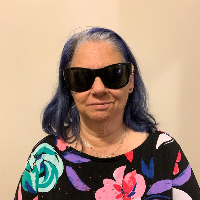

Dr. Colleen Downes
LCSW
New York - 35 yrs exp








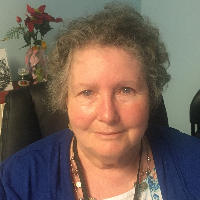




Iesha Whitaker
LCSW
New York - 8 yrs exp



Overview of online therapy availability in New York
If you live in New York, online therapy is widely available and continues to be an accessible option for many people looking for mental health support. Most licensed clinicians offer video and phone sessions, and many provide messaging or asynchronous check-ins as a supplement to live sessions. Because laws and professional guidelines require that clinicians be authorized to practice with clients in the state where you are located, therapists listed for New York are presented with that authorization in mind. The convenience of remote sessions means you can connect with clinicians who specialize in the exact concerns you have, even if they are not located near your neighborhood.
Benefits of online therapy for New York residents
Online therapy gives you flexibility if your schedule is busy or you live far from urban centers. You can fit sessions into work breaks, evenings, or between appointments without the time and cost of travel across a large city or between upstate and downstate areas. For people with mobility limitations, caregiving responsibilities, or transportation barriers, remote care can make it much easier to maintain consistent appointments. Online formats also expand access to niche specialties - you may find a clinician with experience in a specific cultural background, language, or therapeutic approach that is hard to find locally. Many clinicians also offer a range of payment options including insurance, sliding scale fees, or self-pay rates, so you can discuss what works for your budget before committing to a regular schedule.
What issues online therapists in New York commonly help with
Online therapists in New York work with a wide variety of concerns. You can find help for anxiety and worry, persistent low mood, relationship stress and couples concerns, grief and loss, and life transitions such as career change or relocation. Therapists commonly support people coping with trauma, stress at work or school, parenting or family dynamics, and challenges related to identity and sexuality. Others specialize in substance use support, chronic health conditions, or help for adolescents and young adults navigating school and social pressures. If you have a specific concern, you can search for clinicians who list that issue as a focus in their profile and describe the therapeutic approaches they use.
How to verify a therapist's license in New York
Verifying licensure is a practical step before beginning care. In New York, you can check a clinician's credentials through the New York State Education Department Office of the Professions online verification tool. That public registry allows you to look up a license by name or license number and view status, license type, expiration date, and any public disciplinary actions. When you contact a clinician, you can ask for their license number and the professional title they practice under - for example Licensed Clinical Social Worker, Licensed Mental Health Counselor, or Licensed Psychologist - and then confirm those details in the state database. Asking directly about education, supervision, and years of clinical experience is also reasonable, and clinicians are generally prepared to explain their training and areas of expertise.
What to look for on a license record
When you view a license record, note that an active status indicates the practitioner is authorized to practice in New York. Check the license type to ensure it matches the services you need, and look at the expiration date to confirm it is current. The record will also show if there are restrictions or public disciplinary actions; if you see anything concerning, ask the clinician for context and consider seeking an alternative provider if the explanation does not feel satisfactory. Verifying licensure gives you a factual baseline to pair with your impressions from the clinician's bio and initial conversation.
How to get started with an online therapist
Starting with online therapy usually begins with searching profiles and narrowing by specialty, availability, and logistical fit. Once you identify a few clinicians, read their biographies to understand their training and approach, then reach out to schedule an initial consultation or phone call. Many therapists offer a brief introductory session to answer questions about approach, personal nature of sessions practices, fees, and insurance. Before your first full session, confirm the platform you will use and whether it requires an app or a browser. Prepare a quiet room with reliable internet and a comfortable seating arrangement so you can focus. It helps to write down what you want to get out of therapy - goals, current concerns, and any questions about timing or frequency of sessions - so you can use the first appointments to set a clear plan with your clinician.
Practical steps to prepare
Have a list of medications or relevant medical history handy if it relates to your care, and know how you will handle emergencies outside of session time. Ask the clinician about their procedures for crisis situations and whether they have local resources or referrals in New York should you need urgent support. Check whether the clinician accepts your insurance or offers a sliding scale, and clarify cancellation, rescheduling, and payment policies before you start. Taking these practical steps helps the therapeutic relationship begin with clear expectations and makes it easier to focus on the work you want to do together.
Tips for choosing the right therapist
Choosing a therapist is both practical and personal. Start by matching clinical experience to your primary concern - look for clinicians who describe work with the issue you are facing and who use evidence-informed approaches that fit your preferences. Consider the therapeutic style you respond to - some clinicians are more structured and directive, while others take a reflective or exploratory approach. Think about identity factors that matter to you, including language, cultural background, gender identity, and experience with specific communities, and seek clinicians who indicate cultural competence in their profiles. Availability and scheduling are important too - make sure the clinician's hours align with your routine so you can maintain consistency.
When you have an introductory conversation, pay attention to how the clinician explains their approach and whether they listen to your concerns. It is normal to try a few sessions to see if the match feels right - the relationship matters as much as credentials. If things do not feel aligned after a few sessions, it is reasonable to discuss this with your clinician and ask for a referral to someone who may be a better fit. Trust your instincts and prioritize a clinician with whom you feel comfortable and heard, since that connection often determines how effective the work will be for you.
Finding an online therapist in New York means you can access a wide range of expertise from the convenience of your own home or another dependable location. By verifying licensure, clarifying logistics, and trusting your sense of fit, you can make an informed choice and begin taking steps toward the changes you want to achieve.
Browse Specialties in New York
Mental Health Conditions (56 have therapists)
Addictions
390 therapists
ADHD
268 therapists
Anger
415 therapists
Antisocial Personality
54 therapists
Asperger Syndrome
77 therapists
Autism
77 therapists
Avoidant Personality
70 therapists
Bipolar
304 therapists
Cancer
79 therapists
Chronic Illness
144 therapists
Chronic Pain
144 therapists
Compulsion
173 therapists
Control Issues
272 therapists
Dependent Personality
106 therapists
Depression
752 therapists
Disability
144 therapists
Disaster Relief Therapy
109 therapists
Disruptive Mood Dysregulation Disorder (DMDD)
70 therapists
Dissociation
74 therapists
Domestic Violence
159 therapists
Eating Disorders
136 therapists
Gambling
85 therapists
Grief
492 therapists
Guilt and Shame
426 therapists
HIV / AIDS
60 therapists
Hoarding
54 therapists
Impulsivity
229 therapists
Intellectual Disability
73 therapists
Intimacy Issues
319 therapists
Isolation / Loneliness
475 therapists
Midlife Crisis
219 therapists
Mood Disorders
343 therapists
Narcissism
97 therapists
Obsession
173 therapists
OCD
173 therapists
Panic Disorder and Panic Attacks
294 therapists
Paranoia
65 therapists
Personality Disorders
143 therapists
Phobias
98 therapists
Porn
85 therapists
Post-Traumatic Stress
379 therapists
Postpartum Depression
125 therapists
Seasonal Affective Disorder (SAD)
201 therapists
Self Esteem
714 therapists
Self-Harm
129 therapists
Sex Addiction
46 therapists
Sexual Trauma
127 therapists
Sleeping Disorders
156 therapists
Smoking
52 therapists
Social Anxiety and Phobia
449 therapists
Somatization
40 therapists
Stress & Anxiety
848 therapists
Trauma and Abuse
575 therapists
Traumatic Brain Injury
41 therapists
Trichotillomania
28 therapists
Vaping
52 therapists
Life & Relationships (39 have therapists)
Abandonment
268 therapists
Adoption
115 therapists
Aging and Geriatric Issues
161 therapists
Attachment Issues
302 therapists
BDSM
29 therapists
Blended Family Issues
172 therapists
Body Image
200 therapists
Career
393 therapists
Caregiver Issues and Stress
326 therapists
Coaching
198 therapists
Codependency
233 therapists
Commitment Issues
186 therapists
Communication Problems
546 therapists
Compassion Fatigue
299 therapists
Coping with Life Changes
654 therapists
Divorce
301 therapists
Family
539 therapists
Family of Origin Issues
166 therapists
Fatherhood Issues
100 therapists
Fertility Issues
70 therapists
First Responder Issues
112 therapists
Forgiveness
383 therapists
Foster Care
115 therapists
Hospice and End-of-Life Counseling
117 therapists
Infidelity
176 therapists
Jealousy
164 therapists
Kink
29 therapists
Life Purpose
450 therapists
Money and Financial Issues
153 therapists
Non-Monogamous Relationships
57 therapists
Parenting
414 therapists
Polyamory
57 therapists
Pregnancy
125 therapists
Relationship
677 therapists
Self-Love
488 therapists
Separation
301 therapists
Sexual Dysfunction
44 therapists
Sexuality
138 therapists
Workplace Issues
327 therapists
Show 1 more (no listings yet)
Identity & Background (18 have therapists)
Black Therapist
275 therapists
Female Therapist
738 therapists
Gender Dysphoria
62 therapists
Hearing Impaired
12 therapists
Immigration Issues
59 therapists
LGBT
246 therapists
Male Therapist
169 therapists
Men's Issues
131 therapists
Multicultural Concerns
178 therapists
Non-Binary Therapist
3 therapists
Older (45+)
321 therapists
Prejudice and Discrimination
125 therapists
Queer Friendly
246 therapists
Therapist of Color
275 therapists
Veterans
81 therapists
Visually Impaired
12 therapists
Women's Issues
402 therapists
Young Adult Issues
282 therapists
Show 4 more (no listings yet)
Browse Therapy Types in New York
Acceptance and Commitment Therapy (ACT)
118 therapists
Attachment-Based Therapy
95 therapists
Client-Centered Therapy
436 therapists
Cognitive Behavioral Therapy (CBT)
472 therapists
Dialectical Behavior Therapy (DBT)
184 therapists
Emotionally-Focused Therapy (EFT)
86 therapists
Existential Therapy
62 therapists
Eye Movement Desensitization and Reprocessing (EMDR)
34 therapists
Gottman Method
22 therapists
Hypnotherapy
8 therapists
Imago Relationship Therapy
8 therapists
Internal Family Systems
49 therapists
Jungian Therapy
24 therapists
Mindfulness Therapy
290 therapists
Motivational Interviewing
325 therapists
Narrative Therapy
117 therapists
Psychodynamic Therapy
141 therapists
Solution-Focused Therapy
364 therapists
Somatic Therapy
27 therapists
Systemic Therapy
9 therapists
Trauma-Focused Therapy
226 therapists