Find a Solution-Focused Therapy Therapist in New Mexico
Solution-Focused Therapy is a short-term, goal-oriented approach that emphasizes practical steps and strengths. Find practitioners across New Mexico who use this method and browse the listings below to connect with a therapist.




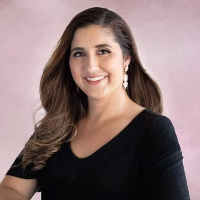
Elizabeth Giele
LCSW, LICSW
New Mexico - 35 yrs exp















What Solution-Focused Therapy is and the principles behind it
Solution-Focused Therapy centers on where you want to go rather than where you have been. Rather than spending long periods examining the origins of a problem, this approach helps you identify specific, achievable goals and the small changes that move you toward them. Therapists guide you to notice exceptions - times when the problem is less severe or absent - and to build on those moments. The work is practical, future-focused, and strength-based, drawing on your existing resources and capabilities to create sustainable change.
Core ideas that shape the work
The method rests on a handful of simple ideas. First, change is constant and small shifts can produce meaningful results. Second, you bring knowledge about what helps you - a therapist helps you recognize and apply it. Third, focusing on realistic goals makes progress measurable. Common tools include scaling questions that let you rate where you are now and the miracle question that helps you imagine a clear picture of success. Therapists often use short, focused conversations to help you identify next steps that feel manageable in daily life.
How Solution-Focused Therapy is used by therapists in New Mexico
In New Mexico, therapists adapt Solution-Focused Therapy to fit a range of settings - from urban clinics in Albuquerque to community practices in Santa Fe and neighborhood offices in Las Cruces and Rio Rancho. Clinicians often combine the approach with culturally responsive practices, paying attention to family patterns, community values, and language preferences. Because the method emphasizes clear goals and practical steps, many practitioners use it in settings where people seek timely, outcome-oriented support. You may find therapists applying these principles in individual therapy, couples work, family sessions, and brief counseling programs at schools or community centers.
What types of issues Solution-Focused Therapy is commonly used for
People come to Solution-Focused Therapy for a wide variety of concerns when they want focused, practical help. It is frequently used for managing life transitions, improving communication in relationships, coping with stress at work or school, and addressing low mood or anxiety that you want to reduce through concrete changes. Couples and families often choose this approach to develop better patterns of interaction and to set short-term goals for conflict resolution. Because the model encourages rapid identification of goals and next steps, it can also be useful for problem-solving around parenting challenges, performance goals, and rebuilding routines after major life changes.
What a typical Solution-Focused Therapy session looks like online
If you choose online sessions, you can expect a focused and collaborative conversation that prioritizes clarity and momentum. Sessions typically begin with a brief check-in about what is most important to you that week. Your therapist will ask questions designed to uncover what is already working and what a preferred future looks like. You will likely use scaling questions to evaluate progress and identify small, concrete steps you can take between sessions. Homework, when offered, is practical and specific - a single experiment or communication you try and report back on. Technology allows sessions to be accessible from home or work, and many people appreciate the convenience of scheduling and the ability to maintain continuity when travel or life demands make in-person visits difficult.
Who is a good candidate for Solution-Focused Therapy
Solution-Focused Therapy fits people who want clear, action-oriented support and who are ready to focus on achievable goals. If you prefer a collaborative, forward-looking approach that emphasizes doing things differently in small ways, this method may suit you. It often works well when time is limited or when you want measurable progress in a relatively short period. You can also combine it with other therapeutic approaches if you want to address deeper patterns over a longer term. The approach is adaptable to adults, adolescents, couples, and families, and therapists in New Mexico routinely tailor interventions to match cultural and personal values so the work feels relevant and respectful.
How to find the right Solution-Focused Therapy therapist in New Mexico
Start by deciding whether you prefer in-person or online sessions and whether location matters for scheduling or local resources. If you live near Albuquerque, Santa Fe, Las Cruces, or Rio Rancho, consider practitioners who know the community and local supports you may want to access. Look for a therapist who lists Solution-Focused Therapy as a primary approach and who can describe how they use goal-setting, scaling, and solution-focused questions in sessions. When you contact a clinician, ask about their experience with issues like yours, their typical session length, and how they measure progress. It is also reasonable to inquire about fees, insurance acceptance, or sliding scale options so you can plan for ongoing care. Trust your instincts about fit - a good match often comes down to feeling heard and understood and believing the plan you create together is doable.
Practical considerations
Language and cultural responsiveness can be important in New Mexico, where Spanish and Indigenous languages are part of many communities. If language access matters to you, ask whether a therapist offers sessions in your preferred language. Transportation and scheduling are practical concerns in more rural areas of the state, so online options can broaden your choices. If you work irregular hours or have caregiving responsibilities, look for clinicians who offer evening or flexible appointments. You can also ask about the therapist's approach to teletherapy etiquette and how they handle cancellations or technical interruptions so you know what to expect.
Making the first contact and what to expect next
When you reach out to a therapist, a brief phone call or message usually clarifies logistics and fit. Therapists often offer a short consultation to discuss goals and whether Solution-Focused Therapy is a good match for your needs. If you decide to proceed, the first full session will typically focus on setting a clear, specific goal and identifying the smallest step you can take toward it. From there, sessions are structured around progress, adjustments, and building on what works. Over time, many people find that the focus on practical changes helps them maintain momentum and integrate new habits into everyday life.
Whether you live in Albuquerque, Santa Fe, Las Cruces, Rio Rancho or elsewhere in New Mexico, Solution-Focused Therapy offers a pragmatic route to change. Use the listings above to explore local practitioners, read profiles, and reach out to the clinicians who seem like the best fit for your goals. Taking that first step can help you create a clear plan and begin making the changes you want to see.