Find a Sexuality Therapist in New Mexico
This page connects you with sexuality therapists who serve people across New Mexico, from Albuquerque and Santa Fe to Las Cruces and beyond. Browse therapist profiles below to compare specialties, approaches, languages, and availability, then reach out to find a good fit.




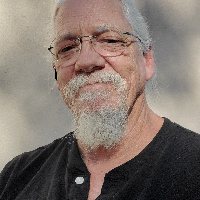
Elizabeth Giele
LCSW, LICSW
New Mexico - 35 yrs exp




Danielle Guerrero
LCSW
New Mexico - 7 yrs exp















How sexuality therapy works for New Mexico residents
Sexuality therapy is a focused form of counseling that helps you explore sexual concerns, relationship dynamics, and questions about identity in a respectful and informed way. In New Mexico you will find practitioners who integrate knowledge about physiology, relationships, culture, and psychology to tailor support to your needs. Therapy typically begins with an assessment of your goals and concerns, followed by a collaborative plan that may include education, communication skills practice, and behavioral or cognitive exercises. Sessions can take place in person or online, and many therapists adjust their pace and methods to match your comfort level and cultural background.
Because New Mexico includes both urban centers and rural communities, access and logistics can vary. If you live in Albuquerque, Santa Fe, Las Cruces, or Rio Rancho you may have more in-person options and specialty providers. If you live in a smaller town or prefer not to commute, online appointments are a commonly used alternative that lets you work with clinicians who specialize in sexual health even if they are based in another city.
Finding specialized help for sexuality in New Mexico
When you look for a sexuality therapist in New Mexico, you can focus on clinicians who list sex therapy, couples therapy, LGBTQ+ issues, trauma-informed care, or reproductive and sexual health on their profiles. Many therapists will note specific training or certifications relevant to sexuality work. You may also prefer someone who has experience with the particular issues you are facing, such as low desire, painful sex, erectile concerns, compulsive sexual behaviors, or questions about gender and sexual identity. Language and cultural matching can be important in New Mexico. If you speak Spanish or come from a Native American or Hispanic cultural background, you may feel more at ease with a therapist who understands your cultural context and can incorporate that understanding into the therapy process.
Practical considerations include licensure and whether a therapist is authorized to provide care in New Mexico. Therapists who work across state lines will indicate their telehealth reach. If you are seeking care that coordinates with medical providers - for instance when sexual concerns intersect with medical treatments - look for clinicians who mention working collaboratively with physicians, gynecologists, urologists, or reproductive health specialists.
What to expect from online therapy for sexuality
Online therapy has become a widely used option for sexuality concerns and offers particular advantages in a state with large geographic distances between towns. With online sessions you can connect from your home or another private setting without traveling long distances. Sessions generally follow the same structure as in-person therapy - assessment, goal-setting, and therapeutic work - and many therapists use video, phone, or text-based messaging tools to stay in touch between appointments. Before you begin, a therapist will usually discuss session length, fees, cancellation policies, and technological requirements so you know what to expect.
Some people find online therapy easier for discussing sensitive topics because it reduces the awkwardness of a clinic waiting room and can allow you to choose a therapist whose expertise is not limited by location. Others prefer in-person contact for a stronger sense of connection. If you live in Albuquerque, Santa Fe, or Las Cruces you may have both choices available. If you opt for online care, you can ask about privacy protections, how records are stored, and whether the clinician follows state regulations for telehealth practice in New Mexico.
Common signs you might benefit from sexuality therapy
You might consider seeking a sexuality therapist if sexual concerns are causing ongoing distress for you or for your relationship, or if they are interfering with your day-to-day functioning. This can show up as persistent mismatches in sexual desire with a partner, anxiety about sexual performance, pain during sex that interferes with intimacy, or confusion and stress related to sexual orientation or gender identity. You might also seek help if you notice compulsive sexual behavior that feels out of control, or if a history of trauma is affecting your sexual life and relationships. Relationship issues such as difficulty communicating about sex, trust issues after infidelity, or mismatched expectations about intimacy are also common reasons people reach out for therapy.
In New Mexico, cultural and familial expectations can shape how sexual issues present. You may find that talking with a therapist who understands local norms and values helps you put concerns in context and develop practical steps toward the changes you want. If you are uncertain whether your concern warrants therapy, many clinicians offer brief consultations to help you decide on next steps.
Tips for choosing the right sexuality therapist in New Mexico
Start by clarifying what you want to accomplish in therapy - better communication with a partner, relief from performance anxiety, support through identity exploration, or help managing sexual side effects of a medical condition. When you search listings, read clinician profiles to see who highlights experience with those issues. Credentials and specialized training can be helpful indicators, but fit and rapport often matter most. You may want to look for a therapist who describes their approach clearly and who mentions training in sex therapy, trauma-informed care, couples therapy, or relevant evidence-based methods.
Consider logistical factors that will affect your ability to engage consistently. Look at location, availability for evening or weekend appointments if you need them, and whether a therapist offers online sessions. Ask about fees and whether a clinician offers sliding scale rates or accepts insurance. If language is important, search for bilingual therapists - Spanish-speaking clinicians can be particularly valuable in many parts of New Mexico. If you live in Albuquerque or Santa Fe you will likely see a wider range of specialists; in smaller communities, telehealth can expand your options.
When you contact a therapist, prepare a few questions that matter to you. Ask about their experience with your specific concern, how they typically structure sessions, how long therapy might last, and how they measure progress. A brief phone or video intake can give you a sense of communication style and whether you feel comfortable sharing personal material with that clinician. Trust your instincts about whether the person feels like a good match - you can always try a few sessions and switch if it does not feel right.
Working with partners and families
If your concern involves a partner, many sexuality therapists offer couples sessions and will help you practice communication skills, set boundaries, and renegotiate expectations. Therapy can provide a guided environment where both partners are heard and where you can learn practical exercises to rebuild intimacy. If family or cultural dynamics play a role, a therapist who understands those dynamics can help you navigate them while keeping the focus on your goals.
Access, affordability, and next steps
Access to specialty care can vary across New Mexico. You may find more in-person specialists in Albuquerque, Santa Fe, and Las Cruces, while telehealth can expand options statewide. If affordability is a concern, ask therapists about sliding scale arrangements, community clinics, or low-cost referral resources. Nonprofit health centers and university training clinics sometimes offer therapy at reduced rates. Taking the first step can feel daunting, but reaching out to ask a few questions is a low-commitment way to learn whether a therapist is a good fit for you.
Ultimately, the right therapist is someone who listens to your concerns, respects your values, and helps you move toward the changes you want. Whether you choose in-person care in a nearby city or an online appointment with a specialist, therapy can be a useful way to gain clarity, learn new skills, and improve your sexual and relational wellbeing in the context of life in New Mexico.