Find a Relationship Therapist in New Mexico
This page lists therapists who specialize in relationship counseling across New Mexico. You can browse detailed profiles to compare approaches, locations, and availability.
Scroll through the listings below to find relationship-focused clinicians serving Albuquerque, Santa Fe, Las Cruces, Rio Rancho and other communities.



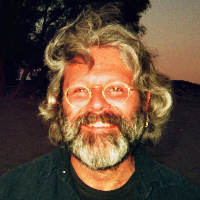


Elizabeth Giele
LCSW, LICSW
New Mexico - 35 yrs exp







How relationship therapy typically works for New Mexico residents
When you pursue relationship therapy in New Mexico, the process often begins with an initial consultation to clarify goals and match you with a therapist whose approach fits your needs. That first session is an opportunity to describe what brings you in - recurring conflicts, communication breakdowns, transitions like relocation or parenting changes, or a desire to strengthen connection - and to learn how the therapist structures treatment. Many clinicians combine conversation-based assessment with evidence-informed methods tailored to couples or partners, and they adapt pacing to the rhythm of your life whether you live in Albuquerque, a smaller town, or a rural part of the state. The following sessions typically move from identifying patterns that contribute to difficulties toward practicing new ways of relating and building skills you can use outside the therapy room.
Therapeutic approaches you may encounter
You will find a range of therapeutic models used in relationship work, including approaches that focus on emotions, communication, behavior, and decision-making. Some therapists emphasize emotion-focused work to help you and your partner recognize and express underlying feelings. Others teach specific communication tools to reduce reactive exchanges and increase listening. There are also models that look at individual histories and how those influence current relationships, which can be useful when past experiences or family dynamics shape expectations. A good therapist explains their orientation and shows how it fits your goals so you can make an informed choice.
Finding specialized help for relationship issues in New Mexico
Searching for a therapist who specializes in relationship work means considering several practical factors alongside clinical fit. You might begin by narrowing options based on location if in-person sessions are important, looking for clinicians near Albuquerque, Santa Fe, Las Cruces, or Rio Rancho. If you prefer evening or weekend appointments because of work or family commitments, check availability up front. In larger cities you may find clinicians who work with a variety of relationship types, including married partners, dating couples, polyamorous relationships, and co-parenting arrangements. In more rural areas therapists may offer a broader scope of services and may blend individual and couple approaches to meet local needs.
Licensing and professional background are important considerations. Therapists in New Mexico hold credentials such as licensed clinical social workers, marriage and family therapists, or licensed professional counselors. Reading a clinician's profile will help you understand their training, years of experience, and any additional certifications in couples therapy. You can also look for descriptions of populations served and typical issues addressed to see if their expertise aligns with your concerns.
What to expect from online relationship therapy
Online therapy has become a widely used option in New Mexico and can be a practical choice if you live far from major centers or if scheduling in-person sessions is difficult. With remote sessions you can connect from home or another comfortable environment, which can make regular attendance easier and allow you to practice new skills between appointments in the setting where you live. Many therapists conduct relationship sessions via video so both partners can participate together, even if they are in different locations. Before beginning, you should discuss technology requirements and any preferences about session format, and clarify how the therapist handles scheduling, cancellations, and emergencies.
Online therapy may not be the right fit for every situation, particularly if immediate safety concerns are present. If you or your partner have safety worries or are facing potential harm, a therapist can help identify appropriate local resources. For many couples dealing with communication problems, grief, infidelity, parenting stress, or life transitions, online sessions offer a flexible way to receive focused, professional support from New Mexico clinicians.
Signs you might benefit from relationship therapy
There are common signs that suggest relationship therapy could help you and your partner move forward. If you find arguments are more frequent and harder to resolve, or if conversations quickly escalate into blaming, it may be time to bring in a neutral professional who can guide new interaction patterns. Persistent disconnection, where partners feel more like roommates than romantic or supportive companions, can also be addressed in therapy through exercises that rebuild emotional closeness. Changes such as becoming new parents, moving to a different city, or shifting careers often place pressure on relationships and may reveal differences in values or expectations that benefit from guided discussion.
Other indicators include ongoing resentment about past events that neither partner can let go of, difficulties with trust after breaches, or repetitive cycles that you have been unable to break on your own. If one partner wants therapy and the other is unsure, individual sessions that focus on relationship dynamics can still be useful and sometimes pave the way for joint work. You do not need to wait for a crisis to seek help - preventive or growth-oriented therapy can strengthen your ability to manage future stressors.
Practical tips for choosing the right relationship therapist in New Mexico
Start by clarifying what you hope to achieve. When you know whether you want to improve communication, resolve a specific conflict, make a decision about the relationship, or process an event like loss or infidelity, you can look for therapists who mention those areas in their profiles. Pay attention to the therapist's described approach and see if it resonates with you - some people prefer a directive style with homework and skill-building, while others want a gentler, insight-focused process.
Consider logistics such as location, session times, fees, and whether the therapist offers online sessions. If cultural background or language is important to you, search for clinicians who identify relevant experience or bilingual skills, which can be particularly helpful in New Mexico's diverse communities. A brief phone call or an initial consultation can give you a sense of whether the therapist's manner and values match yours - you will want to feel comfortable discussing sensitive topics and confident that the clinician listens without judgment. Trust your instincts: if a therapist's approach does not feel right after a few sessions, it is acceptable to look for another provider who is a better fit.
Making therapy accessible and effective
Therapy works best when you attend consistently and approach sessions with openness to trying new behaviors and reflecting on patterns. Setting small, achievable goals with your therapist can create momentum and help you notice progress between sessions. If cost is a barrier, ask therapists about sliding-scale options or referral resources. Many New Mexico clinicians can also help you identify community support services and educational workshops that complement one-on-one therapy. If geography is a concern, online sessions expand the pool of available therapists, connecting you with professionals who have specific expertise even if they are based in larger cities like Albuquerque or Santa Fe.
Next steps
When you are ready, use the listings above to compare clinicians by approach, location, and availability. Reach out for an initial conversation to ask about their experience with relationship issues similar to yours and to learn how they typically structure treatment. Whether you live in a bustling part of Albuquerque, the cultural center of Santa Fe, the growing communities around Rio Rancho, or the quieter stretches near Las Cruces, you can find relationship-focused therapists who understand local life and can partner with you to strengthen the connection that matters most.