Find a Queer Friendly Therapist in New Mexico
This page features therapists in New Mexico who identify as queer friendly and offer culturally attuned mental health support. Listings include clinicians based in Albuquerque, Santa Fe, Las Cruces and other communities across the state. Browse the profiles below to compare approaches, languages, and availability.



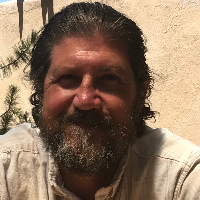
Elizabeth Giele
LCSW, LICSW
New Mexico - 35 yrs exp
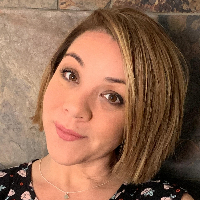
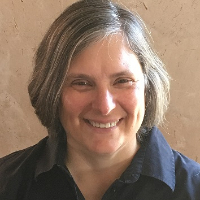
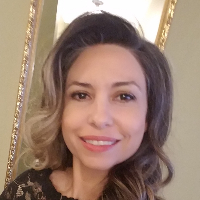
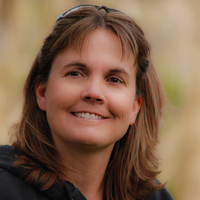




How queer friendly therapy works for New Mexico residents
Queer friendly therapy is an approach that centers respect for sexual and gender diversity while attending to the whole person. In New Mexico, that often means clinicians combine knowledge of LGBTQ+ experiences with awareness of the state's cultural landscape - from urban centers like Albuquerque and Santa Fe to small towns and tribal communities. When you seek queer friendly therapy, expect a focus on listening first, using inclusive language, and tailoring care to your goals rather than assuming a single path for everyone.
Therapists who describe themselves as queer friendly may have training in LGBTQ+ issues, experience working with trans and nonbinary clients, and familiarity with challenges that people in the community commonly face, such as family rejection, dating and relationship concerns, workplace discrimination, or questions about identity and expression. Because New Mexico has a rich mix of cultures and languages, many clinicians also bring sensitivity to ethnicity, religion, and rural-urban differences into their work.
What queer friendly clinicians focus on
Clinicians who advertise queer friendly practice emphasize creating a respectful space where your gender identity and sexual orientation are affirmed. They tend to prioritize your personal goals whether that means reducing anxiety, improving relationships, navigating coming out, or processing past trauma. Many also support gender-affirming discussions - exploring options, managing social transitions, or coordinating with medical providers when that is part of your plan. If you live in Albuquerque or Santa Fe you may find clinicians with specialized training, while in smaller communities clinicians often blend generalist skills with a commitment to inclusion.
Finding specialized help for queer friendly care in New Mexico
Begin by refining your search to match practical needs: location, availability for evening or weekend sessions, language preferences such as Spanish, and whether the therapist offers in-person work in cities like Albuquerque, Rio Rancho or Las Cruces. If you prefer clinicians who understand Indigenous perspectives, look for therapists who mention cultural humility and experience working with Native communities. When geography is a barrier, online sessions broaden your options and connect you with specialists who may not be nearby.
Licensure matters when you want clarity about credentials. Most profiles list the clinician's license type and state, which gives you a sense of their formal training. Beyond credentials, read provider bios for mentions of continuing education, community involvement, and lived experience. Many people prioritize a combination of clinical expertise and authentic allyship - a therapist who both knows the research and demonstrates a respectful, affirming stance.
Questions to consider when contacting a therapist
When you reach out, try to get a sense of their experience with issues that matter to you. You might ask how they approach gender identity or relationship concerns, whether they have worked with clients from similar cultural backgrounds, and how they support medical or legal steps if that is part of your plan. It is helpful to ask about session length, typical frequency, fees, insurance billing, and whether they offer sliding scale options. These practical details can save time and help you make an informed choice about the first appointment.
What to expect from online therapy for queer friendly care
Online therapy has become a common and effective way to access queer friendly clinicians across New Mexico, especially if you live far from Albuquerque or Santa Fe. Virtual sessions allow you to work with specialists who understand your identity and needs without the time and travel required to reach major cities. Most clinicians use platforms that support video and audio calls and may offer messaging between sessions for brief check-ins.
Logistics for online care include setting up a reliable internet connection, finding a quiet area where you will not be interrupted, and checking whether the therapist is licensed to practice in New Mexico. When you start online therapy you and your clinician will typically review goals, technology preferences, and boundaries for communication. If you have concerns about record keeping or data protection, ask how your clinician protects your information and what steps they take to maintain privacy during virtual sessions.
Common signs that someone in New Mexico might benefit from queer friendly therapy
You might seek queer friendly therapy if you are feeling overwhelmed by identity questions, experiencing repeated conflict with family or peers about your sexual orientation or gender, or struggling with anxiety or depression that is related to minority stress. Other reasons include wanting support for coming out, navigating a gender transition, or healing from past trauma such as rejection or harassment. Even if your immediate concern seems general - low mood, relationship strain, or work stress - a queer friendly clinician can help you explore how your identity and community context interact with those difficulties.
Living in rural parts of New Mexico can add another layer to these experiences. Isolation, limited local resources, or worry about community reactions can intensify stress. If you find it hard to connect with supportive peers in your town, online therapy and regional groups based in cities like Albuquerque or Las Cruces can provide additional options for connection and care.
Tips for choosing the right therapist for this specialty in New Mexico
Trust your first impressions while also allowing for a short trial period. An initial consultation is a chance to see whether you feel heard and respected. Pay attention to how the clinician talks about identity - do they use terms you prefer, and do they ask about your experience rather than making assumptions? Consider practical factors too - proximity to your home if you prefer in-person work, evening availability if you work during conventional hours, and whether they accept your insurance or offer a sliding scale.
Language and cultural fit matter. If you prefer Spanish-speaking care, many clinicians in northern New Mexico and Albuquerque advertise bilingual services. If you are a member of a Native community, look for therapists who have training in or experience with Indigenous cultural practices. You may also prioritize clinicians with experience in particular areas such as relationship counseling, trauma-informed approaches, or gender-affirming care.
Finally, remember that finding the right therapist can take time and that it is reasonable to try a few clinicians before settling on one. A good match is one where you feel seen, can communicate openly, and notice practical progress toward the goals you set together. Whether you are in Albuquerque, Santa Fe, Las Cruces, or a smaller New Mexico community, there are clinicians who make queer friendly care a focus and who will work with you to build a plan that fits your life.
Explore the listings below to filter by city, specialty, and availability. Booking a short consult is a helpful next step to learn more and find a therapist who feels like a good fit for your needs.