Find a Personality Disorders Therapist in New Mexico
This page lists therapists who focus on personality disorders in New Mexico. Browse the profiles below to compare approaches, credentials, and areas of experience.



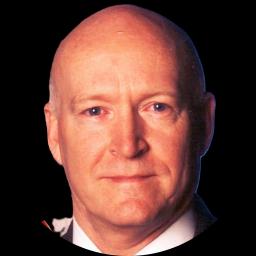

Danielle Guerrero
LCSW
New Mexico - 7 yrs exp













How personality disorders therapy works for New Mexico residents
If you are exploring therapy for personality-related concerns in New Mexico, it helps to know what the process typically looks like. You will usually begin with an intake session where the therapist gathers your history, current challenges, and treatment goals. From there, sessions can be structured around evidence-informed approaches that address patterns in thinking, emotion, and relationships. Therapy is often a collaborative process that unfolds over months - sometimes longer - and progress is measured by changes in how you manage stress, relate to others, and handle everyday demands.
Therapists in New Mexico may integrate local context into care, recognizing cultural influences, family dynamics, and the impact of rural or urban living on mental health. Whether you live in Albuquerque or a smaller community, your therapist should be familiar with resources in your area, such as community clinics, support groups, or crisis services, and help you connect with them when needed.
Common therapeutic approaches
Several therapeutic models are commonly used for personality difficulties. Some focus on building skills for emotional regulation and distress tolerance, while others explore long-standing patterns of relating to yourself and others. Therapy may include structured exercises during sessions and practice between appointments. You can expect a mix of conversation, targeted skill-building, and reflection aimed at helping you recognize triggers and try new responses.
Finding specialized help for personality disorders in New Mexico
Finding a therapist who specializes in personality disorders means looking for training and experience with the approaches that fit your needs. In New Mexico, you can search for clinicians who list expertise with personality-related concerns and who describe the methods they use. Therapists in Albuquerque and Rio Rancho may have access to larger networks and referral options, while clinicians in Santa Fe or Las Cruces often bring strengths in community-based care and familiarity with regional resources.
When evaluating profiles, pay attention to the therapist's statements about assessment and treatment planning. Look for clear descriptions of how they work with long-term patterns, crisis management, and co-occurring concerns such as anxiety or mood challenges. You can also note whether they mention collaboration with psychiatrists, primary care providers, or family members when appropriate, since coordinated care can be important for complex presentations.
What to expect from online therapy for personality disorders
Online therapy has become a common option for people across New Mexico, especially when travel distances are long or schedules are tight. If you choose virtual sessions, you can expect many of the same therapeutic activities that happen in person - assessment, skill-building, and interpersonal work - delivered through video or phone. Online care can make it easier to maintain consistency, which is often essential when addressing entrenched patterns.
Virtual therapy also allows you to access specialists who may not have offices near you. For example, if you live outside Albuquerque or near Las Cruces, online appointments can connect you with clinicians who have specific expertise. It's helpful to create a quiet, comfortable space in your home for sessions so you can engage without distractions. If you have safety concerns or acute crises, your therapist will discuss local emergency contacts and a plan to manage urgent situations during online work.
Common signs you might benefit from personality disorders therapy
You might consider seeking help when you notice patterns that cause persistent distress or interfere with relationships, work, or daily functioning. This can include recurring intense conflicts in relationships, strong fear of abandonment or rejection, chronic feelings of emptiness, rigid ways of thinking that limit your options, or impulsive behaviors that lead to regrettable outcomes. People also seek therapy when emotional reactions feel overwhelming or unpredictable, or when efforts to change on your own have not led to lasting improvements.
Location can affect how these signs show up. In a tight-knit community you might feel extra pressure to maintain appearances, while living in a larger city such as Albuquerque or Santa Fe might bring different social dynamics that trigger old patterns. Recognizing these patterns is an important first step - a therapist can help you map how your history and environment interact to maintain the difficulties you are experiencing.
Tips for choosing the right therapist for this specialty in New Mexico
When choosing a therapist, start by clarifying what you want from therapy. Are you looking for help managing crises, building specific skills, or engaging in long-term personality-focused work? Use that clarity to narrow your search. Read therapist profiles for descriptions of experience with personality-related concerns, training in specialized methods, and their approach to assessment and treatment planning.
Consider practical matters as well. Look at whether a therapist offers evening appointments, virtual sessions, or in-person meetings in your area. If you live near Albuquerque or Rio Rancho you may have more options for in-person specialty care, while people in Las Cruces or more rural parts of the state may rely more on online appointments. You can also ask about session length, frequency, and how the therapist measures progress.
When you contact a potential therapist, it is appropriate to ask brief questions about their experience with personality disorders and how they typically structure treatment. You may want to ask how they handle crises, how they involve family members if that is relevant, and what a typical course of therapy looks like for someone with similar concerns. A good fit often comes down to a combination of expertise and the personal connection you feel during initial conversations.
Practical steps to move forward
Once you identify a few promising profiles, reach out to schedule an initial session or consultation. Use that time to evaluate how the therapist listens, whether they offer a clear plan, and whether you feel comfortable working with them. It is normal to try more than one clinician before you find the right match. Pay attention to how your symptoms and relationships respond in the early months, and discuss adjustments to frequency or technique if needed.
Living in New Mexico offers access to a range of approaches and clinicians who understand the cultural and geographic diversity of the state. Whether you look for support in Albuquerque, Santa Fe, Las Cruces, Rio Rancho, or elsewhere, taking thoughtful steps in your search increases the likelihood of finding a therapist who can help you work toward meaningful change.