Find a Paranoia Therapist in New Mexico
This page highlights therapists who specialize in paranoia-related concerns across New Mexico. Explore clinician profiles, compare approaches, and browse listings below to find a provider who matches your needs.

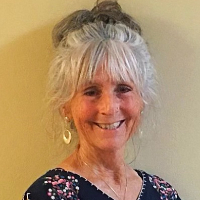



How paranoia therapy typically works for New Mexico residents
If you are considering therapy for paranoia, the process usually begins with an evaluation to understand your experiences, history, and current challenges. In that first phase you and a therapist will talk about what you notice in your thinking, how those thoughts affect your daily life, and what you hope to change. From there a collaborative plan is developed that may combine talk therapy, skills training, family involvement, and coordination with medical providers when needed. Therapy is paced so you feel comfortable moving forward and so trust can grow between you and the clinician.
Your treatment may emphasize strengthening coping skills for anxiety and mistrust, learning how to test and reframe unhelpful thoughts, and building routines that reduce stress. Because New Mexico includes both urban centers and rural communities, therapists often adapt approaches to fit your circumstances - for example offering evening appointments if you commute from a nearby town, or telehealth sessions if reaching an office in Albuquerque or Las Cruces is difficult. The aim is to make treatment practical and relevant to your life in New Mexico.
Initial assessment and creating a plan
In the early sessions your therapist will gather information about your symptoms, how long they have been present, and what triggers them. You can expect questions about your daily routine, relationships, sleep, substance use, and any past treatment. The goal is not to label you but to build a clear picture that guides treatment choices. Together you will set goals that feel meaningful. Some people focus on reducing distressing thoughts, others on improving relationships or functioning at work. Your plan may be adjusted over time as you and your therapist learn what works best for you.
Approaches commonly used
Several therapy approaches are helpful for paranoia-related concerns. Cognitive behavioral strategies teach you to identify and test assumptions, to weigh evidence, and to develop alternative explanations for events that feel threatening. Trauma-informed care recognizes that past experiences can shape how you perceive danger and relationships, and it helps you process those experiences with care. Supportive therapy focuses on validation and coping skills while psychotherapeutic approaches look at deeper patterns that influence trust and perception. Your therapist will explain the methods they use and tailor them to your preferences and goals.
Finding specialized help in New Mexico
When you look for a clinician who specializes in paranoia or psychosis-spectrum experiences, start by checking credentials and experience. Licensed counselors, clinical social workers, and psychologists in New Mexico will list areas of focus on their profiles. You may want to prioritize clinicians who mention experience with anxiety, trauma, or psychosis-related concerns, and those who describe collaborative work with psychiatrists or primary care providers when medication management is part of the plan.
Local context matters. In Albuquerque and Rio Rancho you will find a range of clinic settings and private practices with access to multidisciplinary teams. In Santa Fe there are practitioners who emphasize culturally informed care and community resources that reflect the region's heritage. In Las Cruces and more rural counties, telehealth has expanded access so you can work with a clinician who understands paranoia even if they are not physically nearby. When you contact a therapist, ask about their experience working with people whose concerns resemble yours and whether they offer flexible scheduling or sliding scale fees.
What to expect from online therapy for paranoia
Online therapy can be an effective way to access specialized care, especially if you live outside a major city or have mobility constraints. You can attend sessions from a location that feels comfortable, whether that is your home or another quiet setting. Expect the structure of sessions to resemble in-person work - you will talk about your experiences, practice skills, and review progress - but with an emphasis on communication through video or phone. Building rapport online may take a little longer for some people, so clinicians often spend extra time on trust-building and safety planning early on.
There are practical considerations you should know. Make sure you have a stable internet connection if using video, and choose a setting where you can speak openly without interruption. If you feel more at ease writing down concerns before a session, bring those notes. Your therapist should discuss how to handle urgent concerns that may arise between sessions and explain options for in-person appointments if needed. Online therapy can bridge distances between you and experienced providers in Albuquerque, Santa Fe, or beyond while still allowing for local referrals when in-person care is preferable.
Common signs that someone in New Mexico might benefit from paranoia therapy
There is no single sign that means you need therapy, but there are patterns that often indicate it would be helpful to consult a professional. If you find that mistrust or suspicious thoughts are persistent and interfere with work, school, or relationships, that is a reason to seek assessment. If you avoid social situations out of fear that others are plotting against you, or if you spend an increasing amount of time trying to confirm or disprove beliefs, those behaviors can erode daily functioning. Intense hypervigilance, difficulties sleeping because of worry about being watched, or strained family interactions are additional indicators that targeted support may help.
Living in a close-knit community or a multicultural region like New Mexico can add layers to how you interpret social signals. Therapists who are familiar with local social norms and cultural context can help you sort out which cues are meaningful and which may be misinterpreted under stress. Reaching out for an evaluation is a practical first step if these concerns resonate with you or with someone you care about.
Tips for choosing the right therapist for this specialty in New Mexico
When choosing a therapist start by looking for clinicians who list paranoia, psychosis, anxiety, or trauma as areas of specialization. Read profiles to see how they describe their approach and experience. It is reasonable to contact several therapists to ask about their experience working with paranoia-related concerns, what therapeutic methods they use, and how they coordinate care with medical providers if medication is part of the plan. You can also ask about cultural competence and whether they have experience with the communities and backgrounds that matter to you.
Consider practical details as well. Check whether the clinician is licensed in New Mexico, what types of payment they accept, and whether they offer telehealth or in-person sessions in cities like Albuquerque, Santa Fe, or Las Cruces. Think about appointment times that fit your schedule and whether short-term or longer-term therapy is what you are looking for. If you are supporting a family member, ask how family involvement is typically handled and what resources are available for loved ones.
Taking the next steps
When you are ready, reach out to therapists whose profiles resonate with you and prepare a few questions to guide the first conversation. You might ask about their experience with paranoia, how they measure progress, and what a typical session looks like. Bring notes to your initial appointment about specific situations that concern you and your goals for therapy. Whether you choose an in-person clinician in Albuquerque or an online therapist who can meet with you across New Mexico, the important part is finding a clinician who helps you feel heard and supported as you work toward clearer thinking and better functioning.
Seeking help is a practical choice that can open new options for coping and connection. The listings above offer a place to begin your search and to compare clinicians who specialize in paranoia-related care in New Mexico. Take your time, ask questions, and choose a path that fits your life and goals.