Find a Female Therapist in New Mexico
This page connects you with female therapists practicing in New Mexico, offering a range of approaches and specialties across the state. Browse the listings below to compare credentials, areas of focus, and contact options that match your needs.




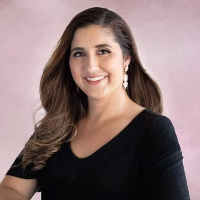
Elizabeth Giele
LCSW, LICSW
New Mexico - 35 yrs exp











How female therapist therapy works for New Mexico residents
When you seek therapy with a female clinician in New Mexico, the process typically begins with an initial contact and a brief intake to clarify your goals and logistics. Many therapists allow a short introductory call or online form to determine whether their experience aligns with what you are looking for. From there, you and your therapist will agree on the frequency of sessions, whether you prefer weekly meetings or a different schedule, and whether you will meet in person or via video or phone sessions. Therapists use proven talking therapies, behavioral techniques, and practical coping strategies to help you address your concerns - the exact mix depends on the clinician's training and your stated priorities.
Because New Mexico includes both urban centers and rural communities, you may find different options depending on where you live. In Albuquerque and Rio Rancho you are likely to see a wider range of specialties and evening availability, while clinicians in smaller towns may offer more flexible scheduling or virtual sessions to reach people across greater distances. Regardless of format, a qualified therapist will outline personal nature of sessions practices, expected session length, cancellation policies, and fees so you know what to expect before committing to ongoing care.
Finding specialized help for female therapist needs in New Mexico
If you are looking for a female therapist who understands specific life experiences or identities, narrow your search by specialty areas such as perinatal mental health, trauma-informed care, relationship therapy, grief counseling, or cultural competence with Hispanic and Indigenous communities. New Mexico's cultural landscape includes a rich mixture of Native American nations and Hispanic heritage, and many therapists cultivate familiarity with bilingual work or culturally responsive approaches. When you review profiles, pay attention to listed populations served and training in topics that matter to you, like acculturation, spiritual considerations, or working with multigenerational families.
In larger cities like Santa Fe and Albuquerque you may encounter clinicians who blend psychotherapy with expressive arts or holistic frameworks, while in college towns and communities near Las Cruces you may find therapists who specialize in young adult transitions and academic stress. If language is important, search for therapists who offer sessions in Spanish or other languages. You can also look for clinicians who provide short-term work centered on specific goals, or longer-term therapy if you are addressing complex or longstanding issues.
Licensing and what titles mean
Therapists in New Mexico may hold different professional credentials such as licensed clinical social worker, licensed professional counselor, marriage and family therapist, or psychologist. Each title reflects different training pathways and scope of practice. If medication management is a consideration, that typically requires a psychiatric provider or a medical professional. It helps to look at a therapist's listed credentials and ask about their experience with the kinds of concerns you want to address.
What to expect from online therapy for female therapist specialties
Online therapy has become a common way to access care across New Mexico, making it easier to connect with a female therapist whether you are in Albuquerque, Santa Fe, Las Cruces, or a rural community. Virtual sessions typically use video platforms, though some therapists will offer phone sessions if needed. You should expect the therapist to explain how telehealth works, what to do in case of technical issues, and how they handle urgent concerns outside scheduled appointments. Many people find online work more convenient - you can save travel time and access clinicians who are not limited by geography.
When preparing for an online session, choose a quiet, comfortable environment where you can speak freely and focus. Bring a list of topics or questions for your therapist and be ready to discuss goals for therapy within the first few sessions. Some therapists provide worksheets or between-session assignments to help you practice new skills. If you have concerns about privacy at home, discuss them with the clinician so you can agree on strategies to maintain your comfort during sessions.
Common signs you might benefit from female therapist therapy
You might consider reaching out to a female therapist if you notice persistent changes in mood, such as ongoing sadness or worry that interferes with daily life, difficulty managing stress at work or home, repeated conflict in relationships, or trouble sleeping or concentrating. Life transitions like becoming a parent, going through a separation, relocating to a new city, or coping with a medical issue can also be overwhelming and are common reasons people seek therapy. Some people look for a female therapist specifically because they prefer to explore gender-related experiences or feel more at ease discussing intimate topics with a woman.
Other signs include feeling stuck despite trying to make changes on your own, experiencing intrusive memories after a traumatic event, or noticing patterns that repeat in relationships or career choices. If addiction, grief, or parenting challenges are affecting your quality of life, a therapist can help you develop skills and create a plan to manage those stressors. Trust your instincts - seeking support early often leads to better outcomes than waiting until symptoms become more severe.
Tips for choosing the right female therapist in New Mexico
Start by clarifying what you hope to get from therapy and whether you prefer in-person or online sessions. Read therapist profiles to learn about training, therapeutic approaches, and areas of focus, and consider what kind of rapport you want - some people prefer a direct, problem-solving style while others benefit from a gentler, insight-oriented approach. If cultural understanding is important, look for clinicians who mention experience with New Mexico's communities or language abilities that match your needs.
Practical considerations matter too. Confirm that the therapist is licensed in New Mexico and ask about fees, sliding scale options, and whether they accept your insurance. During an initial session or consultation, bring questions about their experience with your concerns, how they measure progress, and what a typical session looks like. It is normal to try more than one clinician before finding the right fit - a professional relationship that feels respectful and collaborative is the foundation of effective therapy.
Working across New Mexico
Whether you live in a metropolitan area like Albuquerque or a smaller community, you can develop a therapeutic plan that fits your schedule and lifestyle. Therapists often offer flexible hours to accommodate work and family obligations, and many combine in-person practice with virtual appointments to serve clients across the state. If you are moving within New Mexico or planning long-term care, discuss continuity of care and follow-up options with your therapist so transitions are smooth.
Finding a female therapist who understands your story and supports your goals can feel empowering. Use the listings on this page to explore clinicians near you, read about their specialties, and reach out for a consultation. Taking that first step is a practical way to begin change and get the support you need in a way that works for your life in New Mexico.