Find a Coping with Life Changes Therapist in New Mexico
Explore licensed clinicians across New Mexico who specialize in coping with life changes, from relocation and career transitions to grief and family shifts. This page highlights professionals serving urban and rural communities, including Albuquerque, Santa Fe, and Las Cruces. Browse the listings below to find therapists who match your needs and approach.


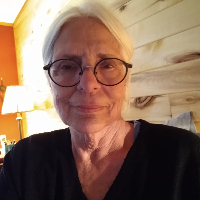







Elizabeth Giele
LCSW, LICSW
New Mexico - 35 yrs exp











How coping with life changes therapy works for New Mexico residents
When you seek help for navigating major life changes, therapy typically starts with an intake conversation to understand your situation, priorities, and immediate concerns. In New Mexico that initial exchange may also include questions about your local context - such as whether you live in a city like Albuquerque or a smaller town - so the therapist can consider logistical and community resources that affect your daily life. From there, clinicians often use a combination of practical planning, emotional processing, and skills-building to help you adjust to new routines, roles, or environments. Sessions can focus on understanding what the change has taken from you and what it may offer, while developing coping strategies that fit your lifestyle and values.
Finding specialized help for coping with life changes in New Mexico
Look for therapists who explicitly list life transitions, adjustment difficulties, or grief and loss among their areas of focus. Many professionals in New Mexico bring additional training in grief counseling, career coaching, family therapy, or trauma-informed care, which can be useful when a life event triggers complex emotions. If cultural understanding matters to you, prioritize clinicians who mention experience with the region's cultural landscape, bilingual practice, or work with Indigenous and Hispanic communities. In larger metro areas such as Albuquerque and Rio Rancho you are more likely to find clinicians with niche specializations, while in Santa Fe and Las Cruces therapists may also connect you with local groups and community supports that complement individual work.
What to expect from online therapy for coping with life changes
Online therapy has become a common way to work through transitions, and it offers particular advantages for New Mexico residents who live far from urban centers. You can expect video or phone sessions that mirror in-person appointments in length and structure, with a focus on conversation, goal-setting, and practicing new coping skills. Some therapists also provide text messaging or email check-ins between sessions for ongoing support. Before the first remote session you will likely receive guidance on how to prepare your meeting space so you can speak freely and focus. If you live in an area with limited internet coverage, many clinicians are flexible with phone-only sessions and can tailor their approach to your connectivity and comfort level. Keep in mind that licensing rules often dictate whether a therapist can provide ongoing care across state lines, so confirm that your chosen clinician is authorized to work with clients in New Mexico.
Common signs you might benefit from coping with life changes therapy
You might consider reaching out for help if you find that a recent change keeps affecting your daily functioning or wellbeing beyond what you expected. If you notice persistent difficulty sleeping, increased anxiety when facing decisions related to the change, or an inability to maintain relationships or work responsibilities, therapy can offer structured support. Emotional reactions such as prolonged sadness, numbness, irritability, or intrusive thoughts about the event are also common signals that processing with a professional could help. You do not need to be in crisis to benefit; many people seek therapy to gain clarity, learn new problem-solving approaches, and build resilience as they move through transitions like retirement, parenthood, relocation, or the end of a relationship.
Life events that often prompt people to seek help
Events that lead people to therapy vary widely. Some come because of planned transitions such as a career change or moving to a different part of the state, while others seek help after unexpected losses or health changes. Caregiving responsibilities, the experience of adult children leaving home, and shifts in identity are other common reasons. Regardless of the trigger, therapy helps you map what has changed, what you are grieving or gaining, and what practical steps will help you rebuild a sense of stability and purpose.
Practical tips for choosing the right therapist in New Mexico
Start by clarifying what matters most to you in a therapeutic relationship. Are you looking for someone with a directive style who offers clear strategies and tasks, or do you prefer an open-ended process that focuses on exploration and meaning? Consider whether you want in-person care in a local community such as Albuquerque or Santa Fe, or if remote sessions are a better fit for your schedule and travel needs. Verify credentials and licensure to ensure the clinician is able to practice in New Mexico, and ask about their experience with life transitions similar to yours. If language or cultural familiarity is important, look for clinicians who list bilingual services or work with the cultural groups represented in your area. Practical considerations such as session times, fee structure, and whether they accept your insurance may also guide your choice.
Making the first contact
When you reach out, treat the initial conversation as a chance to assess fit. You can ask about the therapist's approach to life changes, typical session structure, and what short-term goals they might suggest. Pay attention to how comfortable you feel talking with them and whether their responses reflect an understanding of your situation. It is okay to contact several clinicians before deciding; finding the right match can make a significant difference in how supported you feel during a transition.
Local resources and community considerations in New Mexico
New Mexico's diverse communities offer a range of supports that can complement therapy. In larger cities like Albuquerque and Santa Fe you may find specialized workshops, support groups, and community centers that address grief, retirement planning, or relocation stress. In smaller towns and rural areas, local health centers and community organizations can connect you with practical services such as benefits counseling or caregiver support. If you are part of a cultural or linguistic community, identifying therapists who understand your traditions and values can be especially valuable during life changes that touch identity and family roles. Your therapist can often help link you to local groups and resources to build a broader support system.
What progress can look like
Progress in coping with life changes is often gradual and measured in increased flexibility rather than the elimination of difficulty. You may notice clearer decision-making, better sleep, improved communication with family, or a renewed sense of purpose. Therapy can help you create an actionable plan for the next steps, practice coping techniques to manage intense emotions, and find ways to honor what you have lost while opening space for new possibilities. In many cases the combination of practical planning and emotional work helps you move from feeling overwhelmed to feeling more in control of the changes shaping your life.
Next steps
If you are ready to explore therapy, use the listings above to compare profiles, approaches, and availability. Consider booking an initial consultation with a clinician in Albuquerque, Santa Fe, Las Cruces, or another community near you, and ask questions about their experience with the specific transition you are facing. Whether you prefer in-person care or online sessions, a therapist can help you create a personalized path forward through life changes so you can navigate the months ahead with more confidence and clarity.