Find an Abandonment Therapist in New Mexico
This page lists therapists in New Mexico who specialize in abandonment-related concerns, with profile details and practice options. Browse the listings below to compare clinicians in Albuquerque, Santa Fe, Las Cruces, Rio Rancho, and nearby communities.


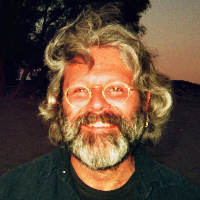






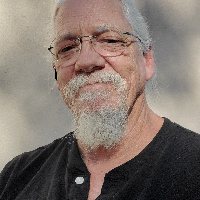

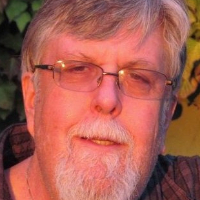




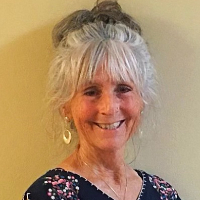




Travis Scott
LCSW, LISW
New Mexico - 10 yrs exp



How abandonment therapy works for New Mexico residents
If you are dealing with abandonment-related pain, therapy is designed to help you understand how early losses and relationship ruptures affect your current feelings and behavior. In New Mexico, therapists typically blend assessment and therapeutic techniques to build a treatment plan that fits your goals and cultural context. You can expect an initial intake session to focus on your history, current concerns, and what you hope to change. From there, a clinician will work with you to identify patterns of attachment, fear, and avoidance that stem from real or perceived abandonment, and to develop strategies to manage triggers and improve relationships.
Therapy often moves between exploring past experiences and practicing new ways of relating in the present. Some providers emphasize skills training - such as emotion regulation and communication - while others focus on deeper processing of traumatic separations and attachment injuries. The pace and emphasis will depend on what feels most helpful to you, whether you live in Albuquerque, are commuting from a small town, or prefer remote sessions because of distance from a nearby provider.
Therapeutic approaches commonly used
You may encounter several evidence-informed approaches when seeking help for abandonment issues. Attachment-based therapy aims to repair patterns of insecurity in relationships by creating corrective emotional experiences. Psychodynamic approaches explore how early relationships shaped your expectations and defense mechanisms. Cognitive and behavioral strategies can help you reframe unhelpful thoughts and practice different behaviors. Somatic and trauma-informed methods address how the body holds stress related to loss. Many therapists combine elements from multiple approaches to fit your situation and preferences.
Finding specialized help for abandonment in New Mexico
Finding someone with relevant experience matters when you are ready to address abandonment concerns. Start by looking for clinicians who list attachment injuries, relationship trauma, separation anxiety, or abandonment specifically among their specialties. You can narrow searches by location if you prefer in-person work in cities like Albuquerque, Santa Fe, Las Cruces, or Rio Rancho. If you live in a rural area of New Mexico, look for therapists who offer remote sessions or who have experience working with clients from diverse cultural backgrounds, since access to clinicians with this specialty may be more limited outside urban centers.
Credentials can provide a baseline of training and accountability. Licensed clinical social workers, licensed professional counselors, clinical psychologists, and marriage and family therapists all work with abandonment-related issues. You can also check whether a therapist has additional training in trauma, attachment theory, couples work, or grief and loss. Many clinicians will include a short biography that explains their approach and populations they serve, which can help you decide who to contact.
Questions to ask when you reach out
When you contact a therapist, it is reasonable to ask about their experience treating abandonment or attachment wounds, what methods they use, and how they typically structure sessions. Ask how long they expect treatment to last for concerns like yours and whether they offer individual, couples, or group options. If you have concerns about cost, ask about sliding scale options and whether they accept your insurance. Asking a few direct questions early on can help you find a clinician whose style and availability match your needs.
What to expect from online therapy for abandonment
Online therapy expands options across New Mexico, especially if you live far from Albuquerque or Santa Fe. With remote sessions you can connect with clinicians who specialize in abandonment regardless of city boundaries, which increases the chance of finding the right therapeutic fit. Sessions over video typically mirror in-person work: you will have time to share your story, practice new skills, and process emotions in a guided setting. Many people find online therapy convenient for scheduling and for maintaining continuity when life or travel makes in-person appointments difficult.
Make sure you have a quiet, comfortable environment for sessions where you can speak freely. Discuss privacy protections and session policies with your clinician so you understand how records, cancellations, and emergencies are handled. If you are in a different state while attending sessions, check that the therapist is licensed to provide services in New Mexico or, if you are visiting, that they can legally offer care where you are located. These practical details help ensure therapy runs smoothly and meets your needs.
Common signs you might benefit from abandonment therapy
You might consider seeking help if you find yourself repeatedly anticipating rejection, avoiding closeness to protect yourself from being hurt, or experiencing intense reactions when relationships change. Other signs include chronic fear that loved ones will leave, difficulty trusting partners, recurring patterns of choosing unavailable people, and trouble regulating emotions during separations. You may also notice that childhood losses, family breaks, or multiple moves affect how you form bonds today. If these patterns interfere with your relationships, work, or daily life, speaking with a therapist who understands abandonment can help you develop different ways of connecting and coping.
Sometimes people do not realize that seemingly unrelated issues - such as anxiety about commitment, repeated breakups, or unresolved grief - are linked to abandonment dynamics. A trained therapist can help you see connections between past events and present behavior, and collaborate with you to create a plan that fits your values and lifestyle in New Mexico.
Tips for choosing the right therapist for this specialty in New Mexico
Start with how comfortable you feel during an initial consultation. You do not need to commit to a long course of treatment before determining whether a therapist is a good match. Pay attention to whether the clinician listens, validates your experience, and explains their approach in ways you can understand. Consider whether you prefer a more directive style that emphasizes skills and homework, or a reflective approach that focuses on exploring underlying emotions and relational themes.
Location and scheduling matter for your consistency. If you live near Albuquerque or Santa Fe, in-person sessions may be an option, while remote therapy can be more practical if you are in Las Cruces or a more remote part of the state. Think about session length and frequency that will fit into your routine, and consider whether you want a therapist who has experience with couples or family therapy if your abandonment concerns involve current relationships. Cost and insurance coverage will also influence your choice - discussing fees and payment options upfront helps avoid surprises.
Next steps and local considerations
Take time to review profiles, read clinician bios, and reach out with questions. If you have cultural or language needs, look for therapists who advertise relevant experience or offer Spanish language services, particularly in communities with diverse backgrounds. If you are part of a faith community or indigenous community, you may prefer clinicians who understand those cultural frameworks and can integrate them into treatment. In places like Rio Rancho or smaller towns across the state, teletherapy can connect you to specialists you might not otherwise reach.
Ultimately, the right therapist is one who understands abandonment from both an emotional and practical perspective and who collaborates with you to meet your goals. Take small steps - request a brief consultation, ask about therapeutic style, and notice how you feel after the first few sessions. Finding the right fit can open the door to more stable relationships, greater self-understanding, and new ways of coping with separation and loss while living in New Mexico.