Find an Attachment Issues Therapist in New Jersey
This page lists therapists in New Jersey who specialize in attachment issues and related relational concerns. Browse the profiles below to compare approaches, credentials, and availability in cities like Newark and Jersey City.


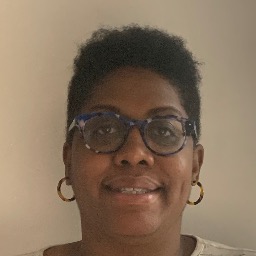
Jaime Barilla
LPC
New Jersey - 13 yrs exp





















How attachment issues therapy works for New Jersey residents
If you are exploring help for attachment-related patterns, therapy typically starts with an assessment of your relationship history and current difficulties. Your therapist will ask about early family dynamics, important relationships, and the situations that lead you to seek support now. For people in New Jersey this process looks much the same whether you meet in person or online. A skilled clinician will help you understand how attachment styles - the ways you relate and bond with others - influence daily life, work, and intimate relationships. Over time you and your therapist will identify goals such as feeling more secure in relationships, coping with anxiety around closeness, or changing patterns that interfere with parenting, friendships, or romantic partnerships.
Finding specialized help for attachment issues in New Jersey
When you search for an attachment-focused therapist in New Jersey, you can look for clinicians who mention attachment theory, trauma-informed approaches, or relationship work in their profiles. Many therapists combine attachment-informed models with modalities like emotion-focused therapy, experiential work, psychodynamic therapy, or cognitive-behavioral techniques adapted to relationships. In metropolitan areas like Newark and Jersey City you may find a broader variety of specialties and training backgrounds, while smaller communities may offer clinicians who travel between towns or provide online sessions to reach more people. Licensing requirements in New Jersey mean you can verify credentials and disciplinary history through the state board if you want to confirm professional standing before booking a first appointment.
Specialized services and settings
Attachment issues can be addressed in individual therapy, couples work, or family therapy depending on your needs. Some clinicians offer short-term focused work aimed at specific patterns, while others provide longer-term psychotherapeutic support to explore deeper developmental themes. You may also find therapists who work specifically with parents to support attachment with infants and children, or with adults who are repairing long-term relational wounds. Consider whether you prefer a therapist who offers in-person sessions in towns like Trenton or Princeton, or the convenience of online appointments that let you connect from home or work.
What to expect from online therapy for attachment issues
Online therapy has become a familiar option for many New Jersey residents who need flexible scheduling or who live far from specialized clinics. When you choose remote sessions, the initial intake will still cover your history and goals, and the therapeutic techniques adapt to the videoconference environment. You can expect an emphasis on building a consistent therapeutic relationship even when you are not in the same room - your therapist will use interpersonal cues, reflections, and interventions designed to help you experience different ways of relating. Technology allows for continuity of care when you travel between cities such as Hoboken and Jersey City, and it makes it easier to maintain regular appointments during busy work weeks. If you prefer in-person contact, many therapists offer hybrid models where you can alternate between face-to-face and online sessions.
Common signs you might benefit from attachment issues therapy
You might consider seeking help if you notice recurring relationship patterns that cause distress, such as extreme worry about abandonment, difficulty trusting partners, repeated cycles of intense closeness followed by withdrawal, or a persistent sense of emotional distance from others. Attachment-related difficulties can show up as anxiety around commitment, chronic loneliness despite being in relationships, or struggles to soothe emotional reactivity after conflicts. You may also see these patterns reflected in parenting challenges, where the way you respond to your child mirrors your own early experiences. If these patterns limit your quality of life or make it hard to form the kinds of connections you want, therapy can offer skills and insights to change how you relate to others.
Signs across different life stages
Attachment concerns do not look the same for everyone. Young adults may find themselves cycling through short-term relationships and feeling unsettled by intimacy, while middle-aged people might notice patterns that interfere with long-term partnerships. Parents may struggle with responsive caregiving or worry about repeating old dynamics with their children. Recognizing these patterns is an important first step - once you see how attachment styles play out in your life, you can begin to choose different responses with the support of a therapist.
Tips for choosing the right therapist for attachment work in New Jersey
Start by thinking about whether you prefer a clinician with specific training in attachment-based approaches, trauma-informed care, or couples therapy. Read therapist profiles carefully to learn about their training, theoretical orientation, and experience with issues similar to yours. If you live near larger centers, you may have more options for clinicians who specialize in complex relational work; in other parts of the state online options expand that reach. Prepare questions for an initial consultation - ask about their approach to attachment concerns, expected length of work, and how they measure progress. Pay attention to how they respond to your questions - you should feel heard and understood during that first contact, and the clinician should be able to explain their approach in clear terms that make sense to you.
Practical considerations for New Jersey residents
Practical details matter when choosing a therapist. Consider whether the clinician accepts your insurance or offers sliding scale fees if cost is a concern. Think about appointment times that fit your schedule, whether you prefer evening or weekend availability, and whether you need in-person sessions near a specific city such as Newark, Jersey City, or Trenton. If travel is a barrier, online therapy can broaden your options and let you work with practitioners who have specialized attachment training even if they are located across the state.
Making the most of attachment-focused therapy
Therapy is most effective when you come with a willingness to reflect on patterns and try new responses between sessions. Your therapist may invite you to notice triggers, practice new communication skills, or experiment with different ways of asking for support. Progress can be gradual - building new relational habits takes time - but many people report clearer relationships, less reactivity, and improved self-awareness as therapy continues. If you are reconnecting with someone in your life, you may choose to involve that person in joint sessions to practice new patterns together under professional guidance.
When to seek a different perspective
If after several sessions you do not feel a growing sense of understanding or the fit does not feel right, it is reasonable to explore other clinicians. Finding the right therapist can take time, and a different therapeutic style or a clinician with a particular attachment focus may be a better match for your needs. Many therapists in New Jersey can offer referrals or collaborate with other specialists to ensure you receive the most appropriate care.
Attachment-focused therapy can help you understand and change the relationship patterns that shape your life. Whether you live near the urban centers of Newark and Jersey City, commute through Trenton, or prefer to meet online, there are options that align with different goals and lifestyles. Taking the first step to browse profiles and set up a consultation allows you to compare approaches and begin the work of creating more secure, satisfying connections.