Find a Social Anxiety and Phobia Therapist in New Hampshire
This page connects you with therapists in New Hampshire who specialize in social anxiety and phobia, including options for in-person and online care. Browse the listings below to review profiles, locations, and therapy approaches to find a good match.





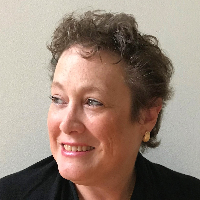



Heather Murphy
LCSW
New Hampshire - 13 yrs exp















How therapy for social anxiety and phobia typically works in New Hampshire
When you pursue therapy for social anxiety or a specific phobia in New Hampshire, the process usually begins with an initial assessment to understand your history, current challenges, and goals. Therapists ask about the situations that cause intense worry or avoidance, the physical sensations you experience, how these issues affect your daily life, and any past attempts at coping. From there you and your clinician will develop a plan that fits your needs and lifestyle. Some people meet weekly at first, then move to biweekly sessions as they build skills and confidence. Others prefer a mix of in-person sessions in a Manchester or Nashua office and virtual check-ins for flexibility.
Finding specialized help for social anxiety and phobia in New Hampshire
Finding a therapist who focuses on social anxiety or phobias means looking for experience with anxiety-focused treatments and practice in working with avoidance, panic-like symptoms, and situational fear. In Nashua and Concord you will find clinicians who offer cognitive-behavioral approaches, exposure-based work, and acceptance-based strategies. You can read therapist profiles to learn about education, licensure, and the specific kinds of anxiety they treat. Pay attention to whether a clinician mentions working with social situations - such as public speaking, dating, workplace interactions, or performance anxiety - or with specific phobias like animals or heights. Calling or messaging a provider to ask about their experience and typical treatment plans can help you decide who to contact for an intake visit.
What to expect from online therapy for social anxiety and phobia
Online therapy is often a practical choice if you live outside a city center or need more scheduling flexibility. Sessions generally take place via video or phone, and some clinicians offer structured programs with between-session exercises delivered electronically. You should look for a clinician who guides exposure practices in a way that makes sense for remote work - for example, planning a video-based exercise before an in-person exposure in your community. Before your first appointment make sure you have a quiet, undisturbed private space where you can speak openly. Expect the therapist to discuss personal nature of sessions, session length, cancellation policies, and technology requirements. If you live in New Hampshire and plan to work with someone based out of state online, check that they are licensed to practice with residents in New Hampshire and that you understand any limits to the relationship.
Common signs that you might benefit from social anxiety or phobia therapy
You might consider seeking help if social situations regularly cause intense fear, if you avoid important activities to prevent anxiety, or if physical symptoms - such as trembling, rapid heart rate, or difficulty speaking - occur in social contexts. You may notice that your anxiety limits work or school performance, makes it hard to form friendships or romantic relationships, or leads you to decline opportunities that matter to you. For specific phobias you might find that even thinking about the feared object or situation provokes strong distress or that you go out of your way to avoid it. If anxiety is persistent, causes you to feel stuck, or makes day-to-day activities harder, therapy can be a place to develop practical skills and gradually reclaim activities you value.
Practical tips for choosing the right therapist in New Hampshire
Start by identifying what matters to you - experience with social anxiety, familiarity with exposure methods, a therapist who offers evening appointments, or someone located near Manchester, Nashua, or Concord for easier in-person visits. Read clinician profiles to see descriptions of their approach and any specialties. When you reach out, ask about typical session structure, how they track progress, and whether they include homework or practice exercises between sessions. Discuss fees, insurance participation, and whether a sliding scale is available if costs are a concern. It is reasonable to ask about how they handle crises and whether they work collaboratively with prescribers if medication is a consideration. Trust your sense of rapport - feeling heard and understood in the first session is an important part of effective care.
How therapy methods are adapted to your life in New Hampshire
Therapists in New Hampshire often adapt standard approaches to fit rural and urban settings alike. In Manchester or Nashua, exposure work might include role-playing in public spaces or rehearsing interactions in busy community centers. In smaller towns you might practice gradual exposures that can be performed in more private settings before moving into larger public contexts. If you work nights, study at home, or commute, many clinicians will tailor appointment times and between-session tasks to your routine. Weather and seasonal changes can influence social plans in New Hampshire, so therapists commonly plan interventions with those factors in mind, helping you prepare for specific challenges like seasonal events or holiday gatherings.
Integrating therapy with your daily routines
Therapy for social anxiety and phobias is not limited to the hour you spend with a clinician. A beneficial program includes exercises you can practice in real life - short steps toward facing feared situations, breathing and grounding techniques to manage intense moments, and cognitive tools to reframe unhelpful thoughts. A clinician will work with you to set incremental goals that feel achievable and relevant to where you live and work. If you are a student, an employee, or a parent, your therapist can design tasks that fit into your schedule so progress feels sustainable rather than overwhelming.
Making the first contact and what questions to ask
When you contact a therapist, be prepared to describe the main concerns that brought you to seek help and to ask about their experience with social anxiety and phobias. Inquire about typical treatment length, how progress is measured, and whether they use accepted techniques like exposure work or cognitive restructuring. You can also ask about practical matters - appointment availability, session fees, insurance, and whether they provide remote sessions. If you live near Concord or prefer in-person meetings, ask about office location and parking. If you plan to combine therapy with medication, ask how they coordinate care with prescribers.
Choosing a therapist is a personal decision. By focusing on experience, approach, accessibility, and the sense of connection you feel, you can find a clinician in New Hampshire who helps you manage social anxiety or a phobia in ways that fit your life. Use the listings above to compare profiles and reach out for an initial conversation - taking that first step often opens the path to meaningful progress.