Find a Post-Traumatic Stress Therapist in New Hampshire
This page lists therapists practicing in New Hampshire who focus on post-traumatic stress. Browse clinician profiles by location, treatment approach, and availability to find a match below.




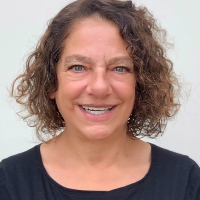




Heather Murphy
LCSW
New Hampshire - 13 yrs exp















How post-traumatic stress therapy works for New Hampshire residents
If you are exploring therapy for post-traumatic stress in New Hampshire, you will find that most treatment paths begin with a careful assessment of symptoms, history, and current life demands. Therapists aim to help you reduce distressing symptoms and regain daily functioning by teaching skills for emotional regulation, processing traumatic memories, and building coping strategies. In New Hampshire this work often blends evidence-based approaches with attention to local needs - for example, clinicians may consider whether you live in an urban center like Manchester or Nashua or in a more rural setting where access and transportation shape session planning. Therapy typically follows a structured plan that evolves as you and your clinician track progress and adjust goals.
Common therapeutic approaches you may encounter
When you meet with a post-traumatic stress specialist, they may describe several treatment models that are commonly used. Cognitive-behavioral approaches focus on changing unhelpful thinking patterns and reducing avoidance. Processing therapies help you work through traumatic memories in a graded and supported way. Eye movement desensitization and reprocessing - often shortened to EMDR - is another approach some therapists use to help people reprocess distressing memories. Your clinician will explain the rationale for their chosen methods and discuss what to expect from sessions, including homework or exercises to practice between appointments.
Finding specialized help for post-traumatic stress in New Hampshire
Finding the right specialist starts with knowing what matters most to you. Some people prioritize a therapist with formal trauma training or certification, while others look for clinicians with experience working with particular populations such as veterans, first responders, survivors of abuse, or people who have experienced accidents. In New Hampshire you can narrow your search by city, which is helpful if you prefer in-person care. Manchester, Nashua, and Concord each host clinicians with trauma experience, and nearby towns often offer additional options. If travel is a concern, look for therapists who offer flexible scheduling or hybrid models that combine in-person and remote sessions.
Licensure, credentials, and asking the right questions
When you review profiles, pay attention to licensure and training. Licensed clinical social workers, psychologists, licensed mental health counselors, and marriage and family therapists may all provide trauma-focused care. You should ask prospective clinicians about their specific training in post-traumatic stress treatments, how long they have worked with trauma, and whether they have experience with cases similar to yours. It is also reasonable to discuss practical matters such as fees, insurance acceptance, session lengths, cancellation policies, and whether the clinician offers sliding scale rates.
What to expect from online therapy for post-traumatic stress
Online therapy has become a routine option for many people in New Hampshire, and it can be particularly helpful if you live outside major cities or need more scheduling flexibility. When you pursue remote care, you should expect the initial intake to mirror an in-person evaluation - history, current symptoms, safety planning, and collaborative goal setting. Sessions are usually conducted via video, and clinicians will review how to manage technology interruptions and what to do in an emergency. You should arrange for a quiet, private space at home for sessions, and confirm that you have a reliable internet connection. Many therapists adapt trauma-focused methods for online delivery, and they will explain any differences in how techniques are used remotely.
Licensing and cross-state considerations
If you plan to work with a clinician who is not physically located in New Hampshire, check that they are authorized to practice with New Hampshire residents. Regulations vary by state and providers must follow licensing rules. A local clinician or one licensed in New Hampshire can often provide continuity of care if you move within the state or split time between cities like Manchester, Nashua, and Concord. When in doubt, ask the therapist how they handle licensure and telehealth across state lines so you know what to expect.
Signs you might benefit from post-traumatic stress therapy
You might consider seeking help if you notice persistent intrusive thoughts or images tied to a distressing event, if you avoid reminders that used to be part of your routine, or if you are experiencing intense startle responses or hypervigilance that interfere with everyday life. Changes in mood, such as feeling numb, irritable, or detached from others, disturbed sleep, and difficulties concentrating are also common indicators that trauma has ongoing effects. If symptoms are affecting your work, relationships, or ability to take part in activities you used to enjoy, therapy can offer support and strategies to improve functioning. You do not need to wait until an emergency occurs - early intervention can make a meaningful difference.
Tips for choosing the right therapist for this specialty in New Hampshire
Start by clarifying what you want from therapy - symptom reduction, learning coping skills, processing a particular event, or improving relationships. Use those priorities to guide your search and to frame questions during introductory calls. Ask about the therapist's approach to trauma, how they measure progress, and what a typical session looks like. If cultural identity, language, or religious background matter to you, bring those topics up early to ensure a good fit. Consider practical details such as office location if you prefer in-person sessions, or whether the clinician can accommodate evening or weekend appointments if you work full time.
Meeting locally - what to consider in Manchester, Nashua, and Concord
If you live near Manchester, Nashua, or Concord, you may have relatively easy access to trauma-trained therapists and specialty services. Larger communities tend to offer a broader selection of clinicians, including those with experience in group work or specialty programs. If you live in a smaller town, you might find that clinicians in nearby cities offer evening hours or remote visits that make regular attendance more feasible. Transportation, parking, and public transit are practical concerns in each city - review office hours and locations to plan sessions that fit your routine.
Next steps when you are ready
When you are prepared to reach out, consider scheduling brief consultations with a few therapists to compare styles and comfort level. Many clinicians offer a short intake call so you can ask about training, session format, and how they handle crises. Trust your instincts about whether you feel heard and understood during that initial contact. Finding the right therapeutic relationship can take time, but having a clinician who understands post-traumatic stress and your life context in New Hampshire will help you move toward clearer goals and improved daily functioning.
Therapy is a collaborative process - if your first match does not feel right, you can try another clinician until you find an approach and rapport that support your healing. Whether you choose in-person care in Manchester, Nashua, or Concord or a remote option that fits your schedule, there are trained professionals in New Hampshire who focus on post-traumatic stress and can help you take practical steps forward.