Find a Forgiveness Therapist in New Hampshire
This page highlights therapists who focus on forgiveness work across New Hampshire. You can review local and online profiles to compare approaches, credentials, and availability. Browse the listings below to find practitioners who may fit your needs.

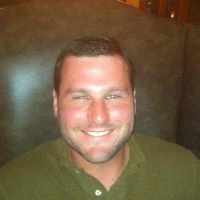

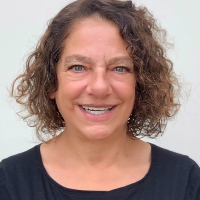


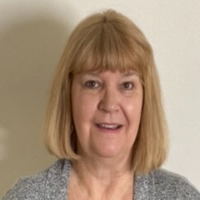
Heather Murphy
LCSW
New Hampshire - 13 yrs exp

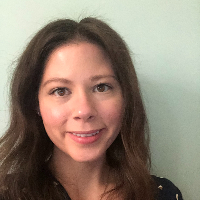
Stephen Burke
LICSW
New Hampshire - 20 yrs exp












How forgiveness therapy often works for New Hampshire residents
Forgiveness therapy is a guided process that helps you explore hurt, process emotions, and consider practical steps toward releasing ongoing resentment or bitterness. In therapy you will spend time mapping the story of what happened, examining how those events affect your daily life, and clarifying what forgiveness would mean for you. The work is rarely about condoning harm. Instead it focuses on helping you define personal goals - whether that means reducing the emotional hold of a past event, restoring a relationship, or establishing boundaries that protect your wellbeing.
Therapists who specialize in forgiveness commonly draw on cognitive-behavioral techniques, narrative approaches, compassion-focused practices, and elements of trauma-informed care. Sessions may include reflective exercises, role play, letter-writing that you do or choose not to share, and practices for managing strong emotions. Many New Hampshire practitioners tailor these methods to fit your values and the pace that feels manageable for you, especially when trust or safety concerns are present.
Finding specialized help for forgiveness in New Hampshire
When you search for a forgiveness therapist in New Hampshire, consider both clinical training and specific experience with forgiveness work. You can look for clinicians who mention restorative approaches, grief and loss, relationship repair, or trauma recovery, since these areas often overlap with forgiveness-focused goals. Use the city listings to find options near you in Manchester, Nashua, Concord, or in smaller towns where local clinics and private practices serve the region.
In more rural parts of the state you may find fewer in-person specialists, so it is common to expand your search to include therapists who offer online sessions. Many clinicians who serve New Hampshire clients combine in-person and virtual schedules to make consistent care more accessible. Pay attention to practical details such as appointment hours, whether the therapist offers evening times for working adults, and whether they provide sliding scale fees or accept your insurance.
What to expect from online therapy for forgiveness
Accessibility and convenience
Online therapy expands your options, especially if you live outside Manchester, Nashua, or Concord. It allows you to connect with a therapist who specializes in forgiveness without the need to travel for each appointment. This can make it easier to fit regular sessions into a busy schedule, and to continue work with a clinician who understands your goals even if you move within the state.
Structure and session flow
Virtual sessions typically follow the same structure as in-person meetings. You can expect time to review recent experiences, explore feelings tied to past harm, and practice new coping strategies. Many therapists will assign reflective exercises between sessions so you can try out new ways of relating to memories and emotions. If strong feelings come up during a video session, your therapist will discuss safety planning and ways to manage distress in the moments that follow.
Technology and comfort
Before beginning online therapy, check what platform a therapist uses and what options they offer to protect your information. You should feel comfortable with the setup and with the environment where you take your sessions. Some people prefer to sit in a parked car, a quiet room at home, or another personal space that allows them to focus. If you are in Manchester, Nashua, or Concord, you may also have the option of occasional in-person meetings if that feels helpful.
Common signs that someone in New Hampshire might benefit from forgiveness therapy
You might consider forgiveness therapy if you find yourself replaying a painful event or relationship over and over, or if resentment is affecting your mood, sleep, or ability to trust others. Difficulties that show up as chronic anger, intrusive memories, or avoidance of people or places tied to the harm are often reasons to seek support. You may also notice that efforts to reconcile with someone keep getting derailed, or that you feel stuck between wanting to move on and feeling like doing so would betray your experience. In each case, a therapist can help you clarify whether forgiveness aligns with your values and goals and can support you in taking steps that feel right for you.
If your day-to-day functioning is affected - for example, if relationships at work or home suffer, or you find it hard to engage in activities you once enjoyed - talking with a therapist can provide strategies for coping with the emotional weight of a past hurt. Forgiveness therapy can also be helpful if you are navigating complicated family dynamics in New Hampshire towns where family ties are tight and community connections run deep.
Tips for choosing the right forgiveness therapist in New Hampshire
Look for relevant experience and approach
When evaluating therapists, read their profiles carefully to understand how they describe forgiveness work. Some clinicians emphasize reconnection and restorative practices, while others focus on personal healing and boundary-setting. Decide which emphasis speaks to your needs. You might prefer someone with experience in trauma-informed care if past harm has felt traumatic, or someone who integrates spiritual or faith-based perspectives if faith is central to your process.
Consider logistics and rapport
Practical factors matter. Check whether a therapist accepts your insurance, offers sliding scale fees, or can meet at times that fit your schedule. Think about whether you want in-person visits in a nearby city like Nashua or Concord, or if ongoing online sessions are a better match. Most importantly, rapport is key - the therapist’s style, empathy, and willingness to engage with your values will determine how comfortable you feel opening up and doing the work.
Ask about goals and timeline
During an initial consultation, ask how the therapist defines success in forgiveness work and what typical steps might look like. Therapists vary in how they pace the process and in whether they expect short-term work or a longer therapeutic relationship. Clarifying these expectations up front helps you choose someone whose plan for therapy fits your priorities.
Getting started
Beginning forgiveness work can feel hopeful and uncertain at the same time. Start by identifying what you want to change about how the past affects you, and use the listings on this page to connect with therapists who describe relevant experience. If you live in Manchester, Nashua, Concord, or elsewhere in New Hampshire, you have options for in-person and virtual sessions. Reach out to a few clinicians to ask brief questions about their approach and availability, and trust your sense of fit when choosing who to work with.
Therapeutic forgiveness is a personal decision and a process that unfolds at your pace. With a clinician who understands the dynamics of hurt and healing - and with clear goals that reflect your values - you can explore ways to lessen the weight of resentment and to build a life that reflects what matters most to you.