Find a First Responder Issues Therapist in New Hampshire
This page lists therapists in New Hampshire who specialize in first responder issues, including care for stress, trauma, and burnout. Browse the listings below to compare approaches, credentials, and locations in Manchester, Nashua, Concord, and beyond.


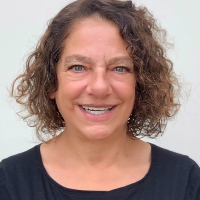





Heather Murphy
LCSW
New Hampshire - 13 yrs exp





How first responder issues therapy works for New Hampshire residents
If you work as a firefighter, police officer, paramedic, emergency dispatcher, or in another emergency role, therapy aimed at first responder issues is designed to address the emotional and mental health challenges that can accompany the job. In New Hampshire, therapists who focus on this specialty typically combine knowledge of public safety culture with evidence-based approaches so you can work through stress reactions, trauma exposure, chronic fatigue, and job-related relationship strain. Sessions usually begin with an intake to understand your work history, symptoms, and goals, and then move toward individualized strategies that fit your schedule and the realities of shift work.
Therapists who serve first responders often coordinate with other supports you may already have, such as peer programs, union resources, or employee assistance programs. They also stay mindful of state licensing and reporting requirements in New Hampshire so that care is delivered appropriately. Whether you prefer in-person appointments near Manchester or Concord, or virtual sessions because of a demanding schedule, practitioners can adapt treatment plans to meet your needs while respecting the culture of your profession.
Finding specialized help for first responder issues in New Hampshire
Searching for a clinician with experience in first responder issues starts with understanding what matters most to you. Some people prioritize clinicians who have direct experience working with emergency personnel, while others look for specific therapy modalities or flexible hours. In cities like Nashua and Manchester you may find clinicians who split their time between community clinics and embedded programs with fire or police departments, while in more rural parts of the state clinicians may offer telehealth options to bridge distance. You can use credentials and profiles to assess training in trauma-focused care, licensure status in New Hampshire, and any additional certifications relevant to first responder populations.
When you review profiles, pay attention to descriptions that mention work with acute stress, repeated trauma exposure, moral injury, or burnout. Some clinicians emphasize family support and relationship repair because the ripple effects of first responder work often extend to partners and children. Others highlight resilience and performance-focused coaching to help you maintain functioning under pressure. Consider reaching out for a brief conversation to ask about experience with schedules like yours, familiarity with local public safety systems, and whether they offer evening or weekend sessions.
What to expect from online therapy for first responder issues
Online therapy offers flexibility that many first responders need. If you patrol at night, respond to calls on short notice, or travel between stations, video and phone sessions can reduce the time lost to commuting and allow you to keep continuity of care. In New Hampshire, many therapists are licensed to provide telehealth across the state, which means you can connect with a clinician who understands first responder culture even if they are located outside your immediate town. Sessions typically follow the same structure as in-person visits - assessment, goal setting, and regular check-ins - but with an emphasis on practical techniques you can use between calls or during downtime.
When you try online therapy, think about creating a predictable space for sessions - a quiet corner at home, a room at a station when available, or another setting that offers minimal interruptions. If personal nature of sessions of location is a concern, discuss options with your clinician so you both feel comfortable about where and when sessions occur. Online work can make it easier to involve family members or partners when appropriate, and it can also provide continuity if your duty assignments change or you move between communities like Concord and Nashua.
Common signs that someone in New Hampshire might benefit from first responder issues therapy
You might consider seeking a therapist if you notice a marked change in how you think, feel, or behave compared with your usual functioning. Signs can include persistent sleep difficulties despite tiredness from long shifts, increased irritability or withdrawal from loved ones, trouble concentrating on tasks, intrusive memories or images from calls, or a growing sense of detachment on the job. You could also find that alcohol or other substances are being used more often to manage symptoms, or that performance and decision-making under stress feel impaired. In New Hampshire communities, where social support networks can be tight-knit, changes in how you relate to colleagues and family may be important signals to address sooner rather than later.
Early help can prevent symptoms from escalating and can preserve both your wellbeing and job performance. Therapy is not only for moments of crisis; many first responders seek help to process cumulative exposure, work on coping strategies, rebuild relationships, and prepare for transitions such as retiring from the field or changing roles.
Tips for choosing the right therapist for this specialty in New Hampshire
Start by clarifying what you want from therapy. Are you seeking short-term support for a specific incident, or longer-term work focused on resilience and relationships? Once you know your priorities, look for clinicians who list experience with first responder populations and who explain their approach in concrete terms. You can ask potential therapists about the interventions they use and how they tailor sessions for shift workers. It is reasonable to inquire about their familiarity with the agencies in your area, whether they have worked with firefighter or police peer support teams, and how they handle emergency planning between sessions.
Logistics matter. Consider location and availability - clinicians in Manchester, Nashua, and Concord may offer more in-person options, while telehealth providers can serve you across the state. Verify that the clinician is licensed in New Hampshire and inquire about sliding scale options, insurance participation, and session lengths that fit your schedule. Trust your assessment of how comfortable you feel during an initial call; rapport matters in this work because you are likely to discuss intense experiences and personal reactions. If the first therapist is not a match, it is normal to try someone else until you find the right fit.
Additional considerations
Many first responders find value in therapists who understand the ethics and demands of emergency work, including the potential for moral injury and the need for strategies that translate to on-shift demands. You may also want a clinician who can coordinate with other supports you already have, such as medical providers or occupational health staff. Remember that therapy is a collaborative process - your active involvement and feedback help shape progress. When you choose care with these factors in mind, you increase the chances of finding an approach that aligns with both your personal and professional needs.
Finding the right therapist in New Hampshire takes time, but it can be an important step toward managing the unique stresses of first responder work. Whether you seek in-person support near a local station in Manchester, flexible virtual appointments that fit a shift schedule, or a clinician who understands the culture of public safety in Nashua and Concord, informed choices will help you get care that fits your life. Take advantage of the listings above to compare clinicians and reach out for a brief conversation to see if they are the right match for you.