Find a Compassion Fatigue Therapist in New Hampshire
This page highlights therapists who focus on compassion fatigue across New Hampshire, offering both in-person and online care. Browse the listings below to compare approaches, credentials, and availability near Manchester, Nashua, and Concord.








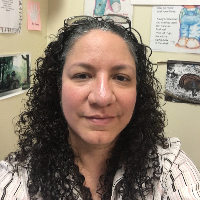





Heather Murphy
LCSW
New Hampshire - 13 yrs exp


Stephen Burke
LICSW
New Hampshire - 20 yrs exp








How compassion fatigue therapy works for New Hampshire residents
If you are feeling worn down from caregiving, helping professions, or repeated exposure to other people's suffering, compassion fatigue therapy can help you rebuild energy and a sense of purpose. Therapy for compassion fatigue typically focuses on understanding how chronic stress and empathic strain have affected your thinking, emotions, body, and work. Sessions often combine practical skills for self-care with therapeutic techniques that address patterns of rumination, numbness, or detachment. Many therapists will work with you to develop strategies that fit your day-to-day life in New Hampshire - whether you commute into Manchester, work shifts in Nashua, or serve a rural community near Concord - so the work you do in session can be applied on the job and at home.
Therapists trained in this area often use evidence-informed approaches such as cognitive-behavioral techniques to reframe unhelpful thoughts, mindfulness-based practices to reduce emotional reactivity, and trauma-informed methods to process particularly distressing experiences. Therapy is not a one-size-fits-all process; it is shaped by your goals, the intensity of your symptoms, and the settings where you provide care. You and your therapist will collaboratively decide the pace and the kinds of interventions that feel most helpful for you.
Finding specialized help for compassion fatigue in New Hampshire
When you begin searching for a therapist, consider professionals who list compassion fatigue, caregiver burnout, or work-related stress among their specialties. In New Hampshire, clinicians practice in a variety of settings - community clinics, private practices, hospitals, and organizations that support frontline workers. If you live near Manchester, you may find clinicians with experience serving large hospital systems. In Nashua and Concord, therapists may have strong ties to local behavioral health networks and employee assistance resources. If you are in a smaller town, teletherapy expands options so you can work with someone who has specific expertise even if they are not located nearby.
Licensure matters because it tells you which types of care a clinician is trained and authorized to provide. Look for licensed clinical social workers, licensed professional counselors, psychologists, or other licensed mental health clinicians. Many therapists list their training in trauma-informed care, burnout prevention, and caregiver support on their profiles. You can also reach out directly to ask about relevant experience, whether they have supported people in similar roles to yours, and how they typically structure treatment for compassion fatigue.
What to expect from online therapy for compassion fatigue
Online therapy has become a practical option for people across New Hampshire who balance irregular shifts, long commutes, or family responsibilities. If you opt for remote sessions, you should expect a thoughtful intake that covers your work context, symptoms, coping strategies, and safety planning. Sessions can look similar to in-person meetings - time to talk through setbacks, learn new skills, and reflect on how work and caregiving affect you - but delivered through video or phone so you can keep appointments from home or a quiet office between shifts.
Therapists who offer teletherapy will usually explain how they manage privacy and data protection, how to handle interruptions during a session, and what to do in case you need urgent support between appointments. You may find that remote work allows for greater scheduling flexibility, easier continuity when you travel between Manchester and smaller towns, and access to clinicians who specialize in compassion fatigue even if they are based outside your immediate area. If you prefer a mix, many therapists provide hybrid care - alternating between remote and in-person visits as needed.
Common signs that you might benefit from compassion fatigue therapy
You might be considering therapy because you have noticed changes in how you relate to the people you serve or how you feel after a shift. Common signs that compassion fatigue may be affecting you include persistent physical exhaustion that does not improve with rest, feeling emotionally numb or detached, increased irritability or impatience, and a growing sense of cynicism about your work. You may experience trouble concentrating, disrupted sleep, changes in appetite, or intrusive thoughts about difficult situations you have encountered. Some people notice that their empathy feels blunted and they withdraw from relationships, while others feel overwhelmed by intense emotional reactions they cannot easily manage.
Recognizing these signs early can help you access support before patterns become entrenched. Therapy can help you identify triggers, restore emotional balance, and develop sustainable coping strategies so that your work remains meaningful without taking over your life. Whether you practice in a hospital in Manchester, provide community outreach in Nashua, or offer social services in Concord, these interventions are tailored to fit the realities of your workplace and the cultural context of New Hampshire communities.
When workplace supports can help
Workplace programs and peer support can be valuable complements to individual therapy. If your employer offers debriefing sessions, professional supervision, or well-being workshops, those resources can reduce isolation and normalise help-seeking. In many New Hampshire organizations, employee assistance programs or staff wellness initiatives can help you find local therapists who understand the demands of health care, emergency response, education, or social services. You may choose to combine therapy with workplace supports so you address both personal coping skills and systemic issues that contribute to stress.
Tips for choosing the right therapist for compassion fatigue in New Hampshire
Start by clarifying what you need - whether it is short-term relief, skill-building, or longer-term work on emotional patterns - and then look for a therapist whose approach matches those goals. Read profiles to learn about clinicians who mention caregiver burnout, secondary traumatic stress, or occupational stress. When you contact a therapist, ask about their experience working with people in roles like yours, the therapeutic methods they use, session length and frequency, and whether they offer flexible scheduling for shift work. If you have a preference for in-person care, note whether they practice near Manchester, Nashua, Concord, or other local centers. If you need teletherapy, ask about the platforms they use and how they handle privacy and emergency procedures.
Insurance coverage and fees are practical considerations. Check whether a therapist accepts your insurance or offers a sliding scale. Many therapists will discuss payment and cancellation policies during an initial call so there are no surprises. Trust and fit are important - you should feel heard and respected from the first few sessions. If a clinician's style or approach does not feel right, it is appropriate to try a different therapist. It is common to interview more than one professional before deciding who will best support your recovery and resilience.
Living and working well while managing compassion fatigue
Beyond therapy, building daily routines that protect your energy is crucial. You may find it helpful to set boundaries around work hours when possible, prioritize restorative activities, and cultivate peer relationships that allow honest conversation about work stress. For people living in New Hampshire, access to outdoor spaces and community resources can be restorative; integrating walks, time in nature, or local support groups into your routine may complement the work you do with a therapist. Over time, many people report that combining therapeutic strategies with practical lifestyle adjustments helps them regain a sense of balance and purpose.
If you are ready to explore therapy, start by browsing profiles on this page, reach out to clinicians whose descriptions resonate with your experience, and schedule a consultation. Finding the right match can be a transformative step toward renewed resilience and well-being in both your professional and personal life.