Find a Commitment Issues Therapist in New Hampshire
This page lists therapists across New Hampshire who specialize in Commitment Issues, offering guidance for relationship uncertainty and decision-making. Browse the listings below to compare clinicians, approaches, and availability in Manchester, Nashua, Concord and other communities.


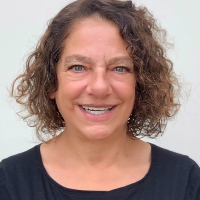


Heather Murphy
LCSW
New Hampshire - 13 yrs exp








How commitment issues therapy works for New Hampshire residents
If you are noticing patterns that make long-term relationships or major decisions feel overwhelming, a therapist who focuses on commitment issues can help you explore the roots of those patterns and develop more reliable ways of relating. In a typical course of work you begin with an intake session where you and the therapist discuss your history, current concerns, and what you hope to change. From there you and the clinician shape a plan that may include regular individual sessions, couple sessions if a partner is involved, and practical exercises to practice between appointments.
Therapists who concentrate on commitment concerns draw on a range of approaches depending on what fits your needs. You may encounter strategies that examine attachment styles and early relationship experiences, methods that help you notice and shift avoidance or anxiety in the moment, and skills-based approaches that build decision-making and communication tools. The pace is collaborative - you decide how quickly to move toward concrete choices and how much time to spend on understanding emotional patterns.
Finding specialized help for commitment issues in New Hampshire
Start by looking at therapist profiles to see who lists commitment issues, relationship anxiety, or related specialties. Many profiles include short statements about approach, typical clients, and training, which makes it easier to narrow options. You can filter results by availability of in-person appointments in cities like Manchester, Nashua, or Concord, or by those who offer remote sessions if travel or scheduling is a concern.
Consider practical details as you search - whether a clinician offers evening hours, works with couples as well as individuals, or has experience with the life stage you're in, such as dating, engagement, newly partnered life, blended families, or midlife transitions. If you live outside a larger city the pool of nearby clinicians may be smaller, so you might prioritize therapists who offer telehealth or who travel to regional offices. Many New Hampshire practices serve both urban and rural communities, and you can often find clinicians who split time between clinic locations and remote appointments.
What to expect from online therapy for commitment issues
Online therapy has become a common option for people in New Hampshire who need more flexible scheduling or live outside major population centers. When you choose remote sessions, your first appointment typically addresses logistics - how sessions will be conducted, what to bring to the conversation, and how to manage follow-up. Clinicians will explain their intake process and how they handle pressing concerns between sessions, such as finding crisis resources if urgent support is needed.
Therapy conducted via video or phone still focuses on the same emotional work you would do in person - exploring patterns, practicing new ways of responding, and trying out communication strategies. Many people find that online sessions make it easier to maintain consistency in therapy when work or family responsibilities make travel difficult. If you are considering online work, ask potential therapists about their experience helping clients with commitment-related issues through telehealth and whether they offer a sample session so you can see how well the format suits you.
Common signs you might benefit from commitment issues therapy
You may notice repeated cycles of hesitation when a relationship becomes more serious, persistent doubts that appear when making plans together, or a tendency to withdraw when conversations turn toward long-term goals. Some people experience intense anxiety around choosing a partner or worry that making a commitment will mean losing autonomy, while others leap into relationships quickly and later feel overwhelmed. These patterns can appear as difficulty planning a future with a partner, frequent breakups with similar reasons, avoidance of conversations about finances or living arrangements, or ongoing fear about being trapped.
Emotional reactions and behavior often point to underlying themes - fear of vulnerability, worry about repeating past hurts, or a lack of confidence in decision-making. If you find yourself repeatedly sabotaging relationships or feeling stuck between wanting closeness and fearing it, therapy can give you a space to untangle those impulses and practice different responses. Reaching out early can help you prevent cycles that cause continued distress for you and for those you care about.
Tips for choosing the right therapist for this specialty in New Hampshire
When selecting a clinician, look beyond a single keyword and read several profiles to understand a therapist's typical caseload and theoretical approach. You may prefer someone who emphasizes attachment-focused work if your concerns feel connected to early relationship patterns, or a clinician who uses skills-based methods if you want practical tools for decision-making and communication. Ask about experience with couples therapy if you and your partner will participate, and inquire how the clinician balances individual and relational goals.
Pay attention to logistics that influence your ability to stay consistent. Consider proximity if in-person visits are important - locations in Manchester, Nashua, and Concord tend to have a wider range of available appointments and may offer evening options. If you need more flexibility, ask whether the therapist provides telehealth and how they structure virtual sessions. Be candid about scheduling needs and budget during initial contacts so you can find a match that feels manageable.
Trusting your instincts during an initial phone call or consultation is important. It is reasonable to ask about training, years of experience working with commitment concerns, and how they measure progress. A good fit often comes down to whether you feel heard and whether the therapist offers a clear plan for addressing the issues you've described. If the first clinician you try does not feel right, you can use what you learned to refine your search until you find someone who aligns with your needs and communication style.
Local considerations and community resources
New Hampshire's mix of small towns and city centers shapes access to care. In larger cities like Manchester and Nashua you may have more immediate choices for in-person appointments, while in more rural parts of the state you might rely more on clinicians who provide telehealth. Community mental health agencies, college counseling centers, and private practices each play a role, and some clinicians offer sliding-scale fees or work with multiple insurance plans. When you contact a provider, ask about referral networks and whether they can recommend specialized support if your situation requires it.
Finally, remember that seeking help for commitment issues is a practical step toward clearer relationships and more purposeful decision-making. Whether you are exploring therapy in downtown Concord or connecting with a clinician remotely, the process is about building awareness, practicing new patterns, and making choices that reflect your values. Use the listings on this page to compare options, reach out for a consultation, and take the first step toward the kind of relationships you want to create.