Find a Coaching Therapist in New Hampshire
This page highlights coaching therapists serving New Hampshire, with options for in-person and online sessions. Browse the listings below to compare specialties, session formats, and clinician backgrounds to find a good fit.





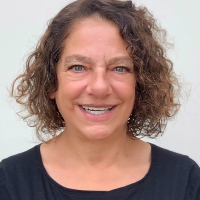



Heather Murphy
LCSW
New Hampshire - 13 yrs exp





How coaching therapy works for New Hampshire residents
Coaching therapy blends goal-focused coaching techniques with therapeutic awareness to help you move forward on personal, professional, or life-transition goals. In New Hampshire, many practitioners combine evidence-informed coaching methods with counseling skills to help you clarify priorities, build sustainable routines, and develop strategies for change. Sessions concentrate on identifying concrete steps, tracking progress, and adjusting approaches as you learn what works in your daily life.
When you begin working with a coaching therapist, the first few meetings typically involve exploring what matters most to you, assessing strengths and obstacles, and agreeing on a plan. This plan might include short-term milestones, skill-building exercises, and a rhythm for sessions that fits your schedule. You and the clinician set expectations together, so the process reflects your pace and the outcomes you care about.
What coaching focuses on
Coaching therapy often centers on areas such as career direction, leadership development, work-life balance, confidence, habit change, and coping with transitions like relocation or relationship shifts. Unlike broader forms of therapy that may spend more time on deep emotional processing, coaching tends to emphasize present-oriented action and measurable progress. That makes it useful if you want to move toward specific objectives while still attending to emotional well-being.
Finding specialized help for coaching in New Hampshire
New Hampshire offers a mix of clinicians who work from urban centers and those who serve rural communities. If you live near Manchester, Nashua, or Concord, you'll often find coaching therapists with experience working in corporate, academic, or community settings. Outside those cities, clinicians may offer flexible hours and telehealth services to bridge geographic distance.
To find a specialist, look for descriptions that mention coaching frameworks, goal-setting, resilience training, or leadership development. Many coaching therapists list populations they frequently support - for example, professionals navigating career growth, individuals experiencing life transitions, or parents seeking work-life balance. Pay attention to training and certifications as well as clinical experience, since those details can indicate the methods a clinician is likely to use.
What to expect from online coaching therapy
Online coaching has become a standard option across New Hampshire. Virtual sessions allow you to meet a therapist who fits your needs regardless of town boundaries, which is especially helpful if you live in a more rural area or have a busy schedule. You can expect the same structure as in-person work - goal-setting, action steps, homework, and progress reviews - but delivered through video or phone calls.
Sessions typically last 45 to 60 minutes and are scheduled at a regular cadence that you and the clinician agree on. Before a virtual session, consider where you will be during the call - choose a quiet spot, stable internet connection, and a time when interruptions are unlikely. This helps maintain continuity and makes it easier to focus on problem solving and reflection. If technology is a concern, many clinicians offer an initial test call to ensure audio and video work smoothly.
Common signs that someone in New Hampshire might benefit from coaching therapy
You might consider coaching therapy if you feel stuck despite knowing what you want, if you are navigating a major career or life transition, or if you want structured support to develop new habits. Other indicators include chronic procrastination on meaningful projects, unclear priorities that create stress, or a desire to strengthen leadership and communication skills. Coaching can also complement other forms of mental health care when your aim is practical change rather than intensive emotional processing.
People in different life stages come to coaching for different reasons. If you are new to the workforce or shifting careers in Manchester or Nashua, you may want coaching focused on professional identity and networking. If you live in a smaller community in the Upper Valley or near Concord, coaching might center on balancing community ties, family responsibilities, and personal ambitions. The key is that coaching creates a roadmap you can use to measure progress and stay accountable.
Tips for choosing the right coaching therapist in New Hampshire
Start by clarifying what you want from coaching - whether it is a short-term burst of accountability, ongoing career development, or help with transitions. Once you know your priorities, scan clinician profiles for relevant experience, stated approach, and any specialty populations. You should also check licensure and professional affiliations, as those indicate the clinician's background and training.
Consider logistics such as session length, availability, fees, and whether the clinician offers sliding scale arrangements. If you prefer in-person meetings, look for providers in Manchester, Nashua, or Concord who offer evening or weekend hours to fit your schedule. If online sessions are more convenient, prioritize clinicians who describe their telehealth process and have experience delivering coaching remotely.
Questions to ask during an initial consultation
Use a brief phone or video consultation to get a feel for the clinician's style and process. Ask about how they set goals, what success looks like, and what a typical session includes. Inquire about their experience with challenges similar to yours, their approach to measuring progress, and how they handle scheduling or missed sessions. You may also want to ask about fees, payment methods, and whether they can help coordinate with other professionals if you are seeing someone else for broader mental health needs.
Practical considerations in New Hampshire
Cost and insurance coverage can vary across providers. Some coaching therapists bill privately while others may accept insurance for sessions that blend coaching and clinical work. If cost is a concern, ask about sliding scale options or shorter check-in sessions. Transportation and weather can affect access in winter months, so remote options or flexible scheduling are valuable in many parts of the state.
Think about cultural fit as well. New Hampshire communities range from tightly knit small towns to more urban neighborhoods, and the local culture can shape expectations about communication styles and pace of change. A clinician who understands the rhythms of your community - whether that is business culture in Nashua or civic life in Concord - can make it easier to translate goals into realistic steps.
Preparing for your first few sessions
Before your first appointment, take time to reflect on what you want to achieve in the short term and long term. Writing down a few priorities or obstacles helps you use time efficiently. Be ready to discuss what has helped in the past and what has stood in the way of progress. If you are pursuing coaching alongside other supports, mention that so your clinician can coordinate goals and avoid overlap.
Expect to revisit goals and adjust strategies as you learn what works. Coaching is an iterative process - small experiments and regular review are part of how progress is made. Whether you meet a clinician in Manchester for in-person sessions or work virtually with someone based in another part of the state, clear communication about expectations and progress will help you get the most from the work.
Moving forward
Finding the right coaching therapist in New Hampshire is about matching your goals, schedule, and communication style with a clinician's approach. If you are ready to take the next step, use the listings above to compare profiles, read clinician summaries, and request a brief consultation. That first conversation can help you evaluate fit and decide on a plan that supports your next steps toward meaningful change.