Find a Trauma and Abuse Therapist in Nevada
This page connects visitors with therapists in Nevada who specialize in trauma and abuse treatment. Browse the listings below to compare approaches, locations, and ways to get started.



Felecia Dela-Sinqo
LCSW
Nevada - 7 yrs exp







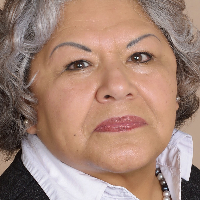

Jessica Colarco
LCSW
Nevada - 20 yrs exp












How trauma and abuse therapy works for Nevada residents
If you are seeking help after trauma or abuse in Nevada, therapy typically begins with an assessment to understand current concerns, history, and immediate needs. That assessment helps you and a clinician set initial goals and choose an approach that fits your situation. Many therapists use evidence-informed methods that focus on safety, symptom management, and gradual processing of distressing memories or experiences. Early sessions often concentrate on building coping skills, stabilizing emotions, and creating a plan for managing triggers so that you feel able to do deeper work with less overwhelm.
Practically, therapy in Nevada can take place in a therapist's office, community clinic, or online. Nevada residents living in urban areas like Las Vegas and Reno may find a wider range of specialty-trained providers and trauma-focused services, while people in smaller communities may rely more on teletherapy to reach clinicians with specific expertise. Regardless of format, the process is collaborative - you and your therapist identify priorities and adapt pacing and techniques based on what helps you make steady progress.
Finding specialized help for trauma and abuse in Nevada
Locating a therapist who understands the specific dynamics of trauma and abuse is important. You can start by looking for clinicians who list trauma-focused training, certifications, or modalities in their profiles. Some therapists highlight experience with interpersonal abuse, childhood trauma, combat-related trauma, or community violence, and they often describe the therapeutic approaches they use. Consider whether a provider has experience working with people who share aspects of your background, such as age, culture, or sexual orientation, since cultural fit can influence comfort and rapport.
In larger Nevada communities like Las Vegas and Henderson, you may have access to clinics that offer multidisciplinary teams, group programs, and specialized trauma services. Reno also has clinics and practitioners who focus on trauma-informed care and behavioral health collaborations with local hospitals and nonprofit organizations. If you live outside these metropolitan centers, teletherapy can bridge distance - many Nevada therapists provide online sessions that allow you to connect from home or another private setting while still receiving focused trauma work.
What to expect from online therapy for trauma and abuse
Online therapy can be an effective option for trauma and abuse because it increases access to clinicians who specialize in this work. When starting online sessions, you will typically arrange a stable, quiet place for appointments and agree on safety and communication plans with your therapist. Early video sessions commonly focus on assessment, grounding techniques, and establishing a predictable structure for your work together. Your therapist may teach skills to manage flashbacks, intense emotions, or triggers, and then gradually introduce processing techniques when you feel ready.
Therapists offering online trauma care often adapt methods that are used in person, such as cognitive approaches, somatic-based strategies that pay attention to body sensations, and exposure or processing work when appropriate. You should expect discussion about privacy considerations and practical steps for what to do if an emotional crisis occurs outside session time. Online therapy does not replace emergency services for immediate danger, but it can provide steady ongoing support for recovery and symptom management, especially when local in-person options are limited.
Common signs that someone in Nevada might benefit from trauma and abuse therapy
You might consider reaching out for trauma-focused therapy if you notice persistent symptoms that interfere with daily life. These can include recurring intrusive memories, nightmares, or flashbacks related to a distressing event. You may find yourself avoiding places, people, or conversations that remind you of the incident, or experiencing intense emotional reactions like anger, shame, or fear that feel out of proportion. Some people notice changes in sleep, concentration, or appetite, and others report increased startle responses or a constant sense of being on edge.
Emotional patterns such as difficulty trusting others, feeling disconnected from family or friends, or repeating unhealthy relationship patterns can also be signs that trauma is impacting well-being. You may be coping through substance use, self-isolating, or feeling numb and detached from life. If any of these experiences are present and they have persisted for weeks or months, seeking a therapist who focuses on trauma and abuse can help you explore underlying causes and develop strategies to reduce distress and regain functioning.
Tips for choosing the right trauma therapist in Nevada
When you begin your search, consider a few practical factors that influence fit. Look at a therapist's training and whether they list trauma-focused modalities such as trauma-focused cognitive behavioral therapy, eye movement techniques that are used by some clinicians, somatic therapies, or other trauma-informed approaches. Read provider profiles to learn about their experience with specific types of abuse or trauma and whether they have worked with populations similar to yours. It is reasonable to contact a few therapists to ask about their approach, typical session structure, and how they measure progress.
Another important consideration is logistics. Check whether a therapist offers daytime, evening, or weekend appointments to match your schedule, and whether they provide online sessions if distance or transportation is a concern. Ask about fees and whether they offer sliding scale rates or work with particular insurance plans. For those in Las Vegas and Henderson, you may have additional local resources such as community centers, hospital-affiliated programs, or support groups that complement individual therapy. In Reno, look for collaborations between mental health clinicians and local agencies that support trauma survivors.
What to expect in the first few sessions
Your initial sessions will usually include an intake conversation about history, current stressors, and what you hope to achieve in therapy. Expect questions about safety, relationships, and coping methods, as well as baseline measures that help your clinician track changes over time. A good therapist will explain their approach and invite you to share preferences for pacing and focus. You should leave early sessions with concrete tools to manage distress and a clear plan for next steps, whether that involves skills-building, stabilization, or moving toward trauma processing when you are ready.
Building a support network in Nevada
Therapy is one part of recovery, and you may benefit from complementary supports. Local survivor groups, community mental health centers, and advocacy organizations in Nevada's cities can provide additional connections, resources, and peer support. If you live in a rural area, online groups and statewide hotlines can offer immediate help and referral options. You should feel encouraged to use multiple resources in combination with individual therapy to build a resilient network around your healing.
Moving forward with care
Choosing to seek therapy for trauma and abuse is a meaningful step. As you explore options in Nevada, take time to read profiles, ask questions, and trust your sense of fit with a clinician. Whether you connect with a provider in Las Vegas, Henderson, Reno, or via online sessions from elsewhere in the state, the right match can help you develop tools for managing symptoms, process difficult experiences at a pace that feels manageable, and rebuild a sense of safety and agency in daily life.
If you are ready to begin, use the listings above to compare therapists, check their specialties and availability, and reach out to schedule an initial consultation. Finding a clinician you feel comfortable with can open a path to steady progress and practical relief from the effects of trauma and abuse.