Find a Narrative Therapy Therapist in Nevada
Narrative Therapy helps people reframe the stories they tell about their lives to create different possibilities for action and meaning. Find practitioners across Nevada who use this collaborative, strengths-focused approach - browse the listings below to compare therapists in your area.


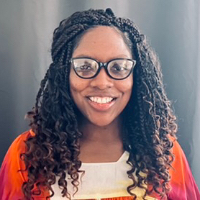
Felecia Dela-Sinqo
LCSW
Nevada - 7 yrs exp












Understanding Narrative Therapy
Narrative Therapy is an approach that views problems as separate from people. Rather than seeing difficulties as fixed traits, this way of working invites you to examine the narratives that shape how you understand your experiences. Therapists who use Narrative Therapy help you explore the language, beliefs, and relationships that sustain a problem story, and then support you in developing alternative stories that reflect your values, strengths, and hopes. The focus is often on meaning-making, context, and collaboration, with the therapist acting as a thoughtful listener and guide.
Core principles that guide the work
At the heart of Narrative Therapy is the idea that stories influence how you live. Therapists will invite you to externalize the problem - to describe it as something separate from yourself - so that you can relate to it differently. Attention is given to identifying moments that contradict the problem story, and to amplifying those exceptions in ways that support new understandings. The approach attends to culture, family history, and social context so that you and your therapist can consider how broader influences have shaped the narratives you carry. The pace is collaborative, reflective, and often creative, using questions and conversations rather than prescriptions.
How Narrative Therapy is used by therapists in Nevada
Therapists across Nevada integrate Narrative Therapy into individual, couples, and family work. In larger cities such as Las Vegas, you may find therapists who blend narrative techniques with other modalities to address complex life transitions or relationship patterns. In Reno and Henderson, practitioners often adapt the approach to meet the needs of clients balancing work, family, and community roles. Because Narrative Therapy is conversation-based, many clinicians in the state use it effectively both in in-person sessions and through online visits, which can make it easier to access consistent care whether you live in an urban neighborhood or a more rural part of Nevada.
Context matters in Nevada practice
Nevada's diverse communities bring different cultural narratives to therapy. In Las Vegas, the transient population and entertainment industry can shape concerns about identity and work-life balance. In Reno, the regional economy and proximity to outdoor lifestyles may influence themes like belonging and life transitions. Effective Narrative Therapy in Nevada pays attention to these local contexts, helping you situate personal stories within the social and cultural landscapes where they developed.
What types of issues Narrative Therapy is commonly used for
Narrative Therapy is often chosen for concerns where story and identity play a central role. Many people seek it for relationship difficulties, low self-esteem, anxiety related to life narratives, grief, and for navigating major life changes. Therapists also use narrative approaches to support people working through cultural or generational conflicts, to address patterns of behavior that feel stuck, and to explore how societal messages have shaped self-perception. Because the method emphasizes strengths and resources, it is suitable for people who want to re-author their experiences rather than focus solely on symptoms.
What a typical Narrative Therapy session looks like online
Online Narrative Therapy follows many of the same rhythms as in-person work, with adaptations for the video or phone setting. A session often begins with open questions that invite you to tell a story about what brought you into therapy. The therapist listens for themes, metaphors, and moments that stand out, then asks questions that help you examine and externalize the problem. You might be encouraged to describe the problem as an entity - for example, "the critic" or "the worry" - so you can see how it operates in your life. Sessions are conversational and reflective; therapists often pause to reflect back what they hear and to invite you to notice alternative narratives and exceptions to the problem story.
Online sessions can make it easier to fit therapy into a busy schedule, and many Nevada clinicians offer remote appointments to reach people living outside urban centers. Before your first online session, it's helpful to choose a place where you feel comfortable speaking, check that your device camera and microphone are working, and confirm how the therapist handles scheduling and communication between sessions. While online work may feel different at first, many people find the format supports ongoing, meaningful conversation.
Who is a good candidate for Narrative Therapy
People who are curious about how their personal stories shape their feelings and actions often find Narrative Therapy helpful. If you want to examine how family history, culture, or societal messages influence your sense of self, this approach can offer gentle but deep work. It is also a good fit if you prefer collaborative dialogue over directive techniques, and if you are open to exploring personal meaning rather than focusing only on symptom reduction. Narrative Therapy can be adapted for adults, adolescents, couples, and families, and therapists typically tailor the pace and language to match your needs and goals.
How to find the right Narrative Therapy therapist in Nevada
Start by considering practical factors that matter to you - location, scheduling, fees, and whether you prefer in-person or online sessions. In Nevada, credentialing varies by profession, so you may look for licensed clinicians who list Narrative Therapy or narrative approaches among their specialties. When you review therapist profiles, pay attention to how they describe their approach, their experience with the issues you are facing, and whether they mention cultural competence or work with specific communities. It can be helpful to read a clinician's biography to get a sense of their style and perspective.
When you contact a therapist, ask about their typical session format, how they measure progress, and what a few early sessions might look like. You might also inquire about availability for evenings or weekend appointments if that fits your schedule. If insurance or cost is a consideration, ask about accepted plans, out-of-pocket fees, and whether a sliding scale is offered. Many therapists are open to answering these questions before you commit to an initial session, which can help you decide whether the fit feels right.
Choosing locally or expanding your search online
If you prefer meeting in person, you may prioritize therapists in Las Vegas, Henderson, or Reno. These cities offer a range of clinicians with diverse backgrounds and specialties. If local availability is limited where you live, online options expand the pool of narrative-trained therapists and allow you to work with someone whose approach resonates with you, regardless of distance. Either way, trust your sense of rapport. A good therapeutic fit often comes down to how comfortable you feel talking about sensitive topics and whether the therapist listens in a way that helps you see new possibilities.
Preparing for your first Narrative Therapy sessions
Before you begin, reflect on what you hope to explore and what changes would matter to you. You do not need to have a detailed life story prepared; the work often unfolds through conversation. Come ready to describe recent moments that felt significant, and notice any recurring themes you want to address. Your therapist will guide you in examining these stories and identifying small, meaningful shifts - moments that already point toward a different way of living.
Finding continuity and growth in Nevada
Narrative Therapy can help you make sense of current difficulties while pointing toward new directions. Whether you are seeking support in Las Vegas, connecting with a clinician in Henderson, or exploring options in Reno, the emphasis is on collaborative meaning-making and practical steps that align with your values. Take your time comparing listings, ask questions that matter to you, and choose a therapist whose approach feels like a good match. With thoughtful engagement, you can work toward rewriting parts of your story in ways that open up possibilities for action and connection in your everyday life.
If you are ready to begin, use the listings above to view profiles, read descriptions, and contact therapists in Nevada to learn more about their narrative approach and availability.