Find a Therapist of Color Therapist in Nevada
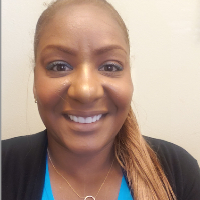
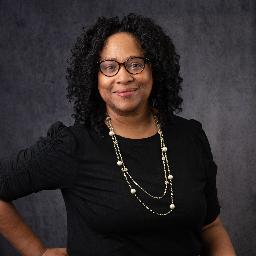
This page highlights Therapist of Color clinicians practicing throughout Nevada, including profiles from Las Vegas, Henderson, Reno and nearby communities. Browse the listings below to review specialties, approaches and availability to find a therapist who may fit your needs.


















How Therapist of Color therapy works for Nevada residents
When you look for a Therapist of Color clinician, you are seeking someone who centers cultural experience, identity and context as part of the therapeutic process. That can mean many different things depending on the clinician's training and approach - therapists may incorporate conversations about racial identity, immigration history, community values, language and the ways systemic factors affect daily life. In Nevada, where communities range from the urban energy of Las Vegas to the smaller city rhythms of Reno and Sparks, that contextual understanding can be essential to building a meaningful therapeutic relationship.
Therapists who identify as Therapist of Color often combine general clinical skills with cultural knowledge that helps them notice and address experiences you may not feel comfortable explaining every time. That may include addressing microaggressions at work, intergenerational family expectations, or the emotional impact of discrimination. The aim is not to replace standard therapeutic tools but to adapt them so they feel relevant to your life and experience.
Local considerations across Nevada
Your location in Nevada can influence both the kinds of concerns that bring you to therapy and the practicalities of finding a match. In Las Vegas and Henderson you may find a wider range of in-person options and clinicians who have experience with diverse, transient populations. In Reno and northern communities like Sparks and North Las Vegas practitioners may offer strengths in working with tight-knit community networks, regional economic stresses or issues tied to migration and family reunification. Wherever you live, consider how your therapist's experience maps onto your environment - someone familiar with the norms and pressures of your city can help you navigate daily life as well as internal struggles.
Finding specialized help for Therapist of Color in Nevada
Start by reading clinician profiles carefully. Many therapists include information about cultural identities they work with, languages they speak and areas of specialization such as trauma, anxiety, family conflict or identity development. You can look for mentions of training in culturally adapted therapies or community engagement that demonstrates experience beyond a general clinical credential. If a profile mentions work with immigrant communities, LGBTQ+ people of color, or multiracial families, that can be a helpful indicator that the clinician has relevant experience for your needs.
Another practical approach is to think about logistics alongside cultural fit. If you prefer in-person sessions, search for clinicians who list offices in convenient neighborhoods of Las Vegas, Henderson or Reno. If your schedule or mobility makes travel difficult, look for therapists who offer online sessions to Nevada residents. Many clinicians provide initial consultations - these brief conversations can let you ask about the therapist's experience with your background and whether their style feels like a good match.
Licensure and practice considerations
Licensure varies by state and affects whether a therapist can legally provide in-person or telehealth services. If you plan to see someone in person, confirm that their office is in Nevada or that they are licensed to practice in the state. For online sessions, ask whether the clinician offers services to Nevada residents and how they handle documentation, insurance and emergency planning. These questions are part of the practical groundwork that helps you focus on the therapeutic work once sessions begin.
What to expect from online therapy for Therapist of Color
Online therapy can be an effective option if travel or scheduling is a barrier, or if you want access to clinicians who are not available locally. When you choose virtual sessions, expect many of the same elements as in-person work - a regular schedule, a therapeutic approach, and goals you set together. The first few sessions are often focused on building rapport and establishing what matters most to you, including which aspects of your cultural background you want to explore in therapy.
There are also differences to anticipate. Building trust through a screen may take a bit longer for some people, while others find it easier to open up from a familiar space at home. You will want to choose a place where you can feel comfortable and where interruptions are minimized. Discuss with your therapist how to handle technology issues, how appointments will be scheduled, and what to do in case of an emergency. Good clinicians will help you set boundaries and create a consistent structure for online sessions so that the work feels thoughtful and focused.
Common signs that someone in Nevada might benefit from Therapist of Color therapy
You might consider this specialty if you frequently feel misunderstood in clinical settings or if cultural issues are central to your emotional experience. If you encounter repeated microaggressions at work or school, face stress related to immigration or family separation, or navigate complex identity questions, a Therapist of Color clinician can provide a space to name and process those experiences. You may also seek this specialty if family expectations, generational differences or community pressures are weighing on relationships or your sense of self.
Sometimes the signs are less dramatic and more persistent - recurring anxiety, difficulty trusting health professionals, or a sense that traditional therapy has not addressed the cultural dimensions of your life. In Nevada's varied communities there are also region-specific stressors - shifts in employment, the demands of service industries, or relocation - that interact with cultural identity and can increase the need for a clinician who understands those intersections.
Tips for choosing the right Therapist of Color clinician in Nevada
Begin by clarifying what you hope to get from therapy. Whether you want short-term coping strategies, long-term exploration of identity, or support for a specific life transition, knowing your priorities helps you evaluate clinician profiles. Read about the therapist's approach and training, and look for language that reflects cultural humility - an openness to learning about your experience rather than a checklist of identities.
Ask about practical matters early in the process. Inquire about session length and frequency, fees and insurance, cancellation policies and whether they offer in-person sessions in cities like Las Vegas or Reno. If language accessibility matters to you, confirm what languages the therapist uses in sessions. Scheduling a brief phone or video consultation can give you a sense of their communication style and whether you feel heard.
Finally, trust your instincts. A therapist's background can be an important match, but rapport matters most. If the clinician listens, respects your cultural perspective and helps you set clear goals, you are likely to make progress. If something does not feel right after a few sessions, it is appropriate to discuss it or to continue searching until you find a therapist who fits both your needs and your sense of comfort.
Finding the right Therapist of Color clinician in Nevada can take time, but the effort often pays off in a therapeutic relationship that feels relevant and empowering. Use the listings above to compare profiles, reach out for initial conversations, and choose a clinician whose experience and approach align with the life you are living in Las Vegas, Henderson, Reno or elsewhere in the state.