Find a Relationship Therapist in Nevada
This page features relationship therapists who work with couples, partners and adult family members across Nevada, including practitioners in Las Vegas, Henderson and Reno. Browse the listings below to compare specialties, approaches and availability when selecting a counselor.




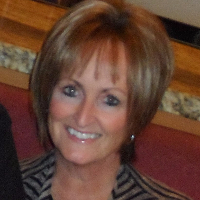
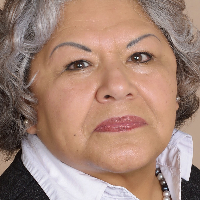
Felecia Dela-Sinqo
LCSW
Nevada - 7 yrs exp





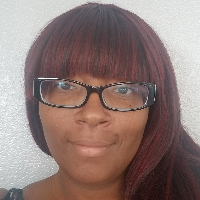
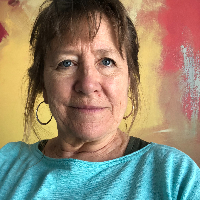
Jessica Colarco
LCSW
Nevada - 20 yrs exp











How relationship therapy works for Nevada residents
When you pursue relationship therapy in Nevada, the process typically begins with an initial consultation to identify goals and practical considerations. That intake meeting is a chance to describe what you and your partner hope to change, along with scheduling needs and any preferences about session format. Therapists who practice in Nevada may offer in-person appointments in clinic settings across urban centers and suburban neighborhoods, as well as remote sessions that allow more flexible access from home. Over the first few sessions the clinician will usually gather background on communication patterns, recurring conflicts and the strengths you already bring to the relationship. From there, a plan is shaped that may include focused skill-building, exploring relationship history, improving emotional understanding or addressing specific issues such as trust, infidelity, or parenting disagreements.
Finding specialized help for relationship issues in Nevada
Not every therapist focuses on relationship work, so it helps to look for clinicians who list couples therapy, marriage counseling or relationship counseling among their specialties. In larger Nevada communities such as Las Vegas and Reno you are more likely to find practitioners who concentrate on particular areas - for example premarital preparation, high-conflict separation, or blended family dynamics. Outside major cities, clinicians may wear multiple hats and provide both individual and relational therapy. You can learn about a therapist's training and orientation by reading their profile, noting degrees and specific certifications in couples approaches or family systems. Many therapists also indicate whether they use evidence-informed models such as emotion-focused, cognitive-behavioral, or integration-based approaches, which can help you decide whether a clinician's style matches your needs.
Licensing and experience
It is reasonable to check that the clinician is licensed to practice in Nevada and to review their experience working with couples or partners. Licensing terminology can vary but profiles usually list credentials and years in practice. You may also find therapists who have completed advanced training in couple-specific methods or who have a background in areas that intersect with relationship work - for instance trauma, sexual health, or family systems. Experience treating the kinds of issues you are facing can make therapy more efficient, so consider practitioners who have worked with similar concerns or demographics.
What to expect from online relationship therapy
Online therapy has become an established option for relationship work in Nevada, and it can be especially helpful if scheduling or travel is a barrier for you and your partner. When you choose remote sessions, expect many of the same techniques used in person - guided conversations, communication exercises, and structured homework - delivered through video or phone. Some clinicians will ask each partner to join from a separate room to encourage honest disclosure, while others conduct sessions with both people in the same physical space when that is feasible. Technical considerations such as a reliable internet connection and a distraction-free area boost the effectiveness of online sessions. Many therapists will explain how they handle session flow and what to do in the event of an emergency before beginning remote work so that you have clarity about logistics.
Benefits and limitations
Remote sessions can increase convenience, allowing couples from outlying areas to access trained clinicians based in Las Vegas or Reno without long commutes. Online therapy also makes it easier to maintain continuity during life transitions, such as relocations or work travel. However, some interventions are more effective when delivered in person, particularly those that rely on nuanced nonverbal cues or structured role plays that require shared physical space. When you consider online therapy, discuss these trade-offs with potential therapists to determine whether their remote approach aligns with the goals you have in mind.
Common signs that relationship therapy may help
You might consider relationship therapy if recurring arguments feel impossible to resolve, if communication has become withdrawn or hostile, or if major life events are creating strain. You may notice that you avoid important conversations to prevent escalation, that intimacy has diminished, or that parenting and financial decisions trigger disproportionate conflict. Other signs include feeling consistently misunderstood, experiencing unresolved betrayal, or sensing that your relationship patterns repeat across different partners. Seeking help early can prevent small problems from solidifying into persistent patterns. If you live in a busy metropolitan area like Las Vegas or a growing suburban community like Henderson, scheduling a consultation can be a practical first step to see whether therapy fits your relationship's needs.
Tips for choosing the right relationship therapist in Nevada
Start by clarifying what you want from therapy - better communication, rebuilding trust, navigating transitions, or deciding whether to stay together. Once goals are clearer, use therapist profiles to filter for practitioners who explicitly list relationship work. Pay attention to their stated approaches and whether they describe experience with the types of issues you face. It is reasonable to contact a few clinicians to ask short questions about their availability, session length, fee structure and typical therapeutic approach. Many therapists offer an initial phone or video consult so you can get a sense of fit before committing to multiple sessions. Trust your instincts about rapport - the ability to feel heard and respected during a first meeting is often a good predictor of productive work.
Practical considerations
Location and scheduling matter. If in-person meetings are important to you, look for therapists with offices in convenient neighborhoods or near major transit routes. In Las Vegas and Henderson you may find evening or weekend availability, while smaller towns can require more flexible planning. If cost is a concern, ask about sliding scale options or whether a therapist accepts insurance. Also consider whether you prefer someone who will take an active teaching role, offering exercises and homework, or someone who uses a more exploratory, insight-oriented approach. Both styles can be effective depending on your needs, so aligning method with preference helps the work progress.
Making the most of relationship therapy in Nevada
Once you begin sessions, set realistic expectations and allow time for new patterns to emerge. Therapy is a process that often involves uncomfortable conversations and practice outside of sessions. Approach the work with curiosity and a willingness to experiment with different communication strategies. If you live near Reno or another community, you might find it useful to alternate between in-person and remote sessions to balance convenience with the benefits of face-to-face interaction. Keep in mind that effective therapy is collaborative - progress is more likely when both partners are engaged in the process and willing to try suggested exercises.
Finding the right relationship therapist in Nevada is a personal journey. Whether you are looking for short-term support to navigate a specific challenge or longer-term guidance to reshape how you relate, the clinicians listed on this page provide a range of approaches, specialties and formats. Taking the first step to reach out for a brief consultation can help you assess fit and begin practical work toward a healthier connection.