Find an Infidelity Therapist in Nevada
This page connects you with therapists in Nevada who focus on healing after infidelity. Explore practitioner profiles to compare specialties, approaches, and availability in cities across the state.
Use the listings below to find a clinician who fits your needs and begin reaching out to schedule an initial conversation.


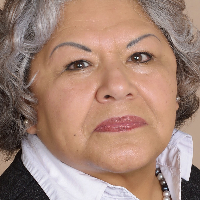
Felecia Dela-Sinqo
LCSW
Nevada - 7 yrs exp


















How infidelity therapy works for Nevada residents
If you are coping with betrayal in a relationship, infidelity therapy offers a structured way to address the emotional fallout and practical consequences. The process often begins with an intake session to map out what happened, who will attend sessions, and immediate goals - whether you want to repair the relationship, understand patterns that led to the breach, or work on personal recovery. Therapists trained in this specialty typically blend relational work with individual processing so that both partners and the injured party can have their experiences acknowledged and understood.
Therapy may alternate between joint sessions and individual sessions. Joint work focuses on communication repair, rebuilding mutual understanding, and developing new boundaries that both partners can accept. Individual work targets the emotional aftermath for each person, including grief, anger, shame, and questions about identity. The pace of progress varies depending on how long the relationship has been strained, whether there is ongoing contact with an outside partner, and whether you and your partner can commit to the process.
Finding specialized help for infidelity in Nevada
When you search for a therapist in Nevada, look for clinicians who list infidelity or betrayal recovery among their specialties. Licensed marriage and family therapists, clinical social workers, and psychologists are common practitioners who work with couples after an affair. You can learn about a clinician's training and approach by reading profiles, looking for mentions of couples work, trauma-informed care, or experience with split-family dynamics. In larger communities like Las Vegas or Henderson, you may find a broader range of specialists, while smaller Nevada cities may offer fewer options but often include professionals who accept remote work.
Consider practical factors that matter to you. If you prefer in-person sessions, search for therapists near your neighborhood or major transit routes. If your schedule is demanding, check for evening appointments or weekend availability. Many clinicians will list whether they accept insurance or offer sliding scale fees, which can make sustained treatment more accessible. If language or cultural considerations matter, look for therapists who advertise bilingual services or experience working with diverse backgrounds, which can be particularly relevant in metropolitan areas such as Reno and Las Vegas.
What to expect from online therapy for infidelity
Online therapy has become a common option for people in Nevada who need flexibility or who live outside major urban centers. When you choose remote sessions, you can expect much of the same therapeutic work as in-person care - exploration of emotions, development of communication skills, and concrete steps to rebuild trust. Remote counseling can be especially helpful if partners live in different cities, if you have irregular working hours, or if transportation to an office is a barrier.
Before your first online session, you and your therapist will likely talk about where you will attend from and how to protect your focus and comfort during a call. You will coordinate on logistics like appointment length, payment, and how to handle technical interruptions. Many couples find that online sessions allow for greater scheduling flexibility and continuity of care when life is busy. If at any point you or your therapist feel that in-person work would better serve your goals, that transition can be discussed and arranged when feasible.
Common signs you might benefit from infidelity therapy
You might consider seeking infidelity therapy if you notice persistent changes in how you relate to your partner or in your daily life. This can include a recurring cycle of mistrust and checking behaviors, frequent arguments that revisit the same issues, or a withdrawal from intimacy and shared activities. You may find that thoughts about the betrayal interfere with sleep, work, or your ability to concentrate. Some people experience intense mood swings, increased anxiety, or a sense of isolation even if the relationship continues on the surface.
Another sign is difficulty communicating about what happened without escalation. If attempts to discuss the affair repeatedly end in blaming, shutting down, or emotional flooding, therapeutic guidance can help create calmer conversations and repair attempts. You may also seek therapy because you are facing a decision - whether to separate, reconcile, or redefine the relationship - and you want an informed, balanced process to arrive at that choice. A therapist can help you understand the factors that influence those decisions and assist you in making a plan that honors your values and safety.
Tips for choosing the right therapist for this specialty in Nevada
Choosing the right therapist for infidelity work means considering both professional qualifications and personal fit. Start by reviewing a clinician's credentials and experience with couples and betrayal recovery. Read their descriptions to see if they emphasize empathy, practical communication strategies, or trauma-informed approaches. Many therapists will offer a brief consultation - use that time to ask about how they structure couples sessions, whether they see both partners together, and how they handle situations where one partner is not ready to attend.
It is reasonable to ask about a therapist's experience with similar situations and how they measure progress in treatment. Some therapists describe concrete milestones such as establishing transparent communication practices, creating agreements around contact with third parties, or learning tools for emotional regulation. You should also consider logistics - whether the therapist accepts your insurance, offers affordable options, and can meet at times that work for you and your partner. In cities like Las Vegas and Reno you may have many options, so take advantage of the ability to speak with a few clinicians before deciding.
Questions to ask during a consultation
During initial calls you can ask how the therapist typically navigates early sessions, whether they work with both partners simultaneously, and how they approach rebuilding trust. It is helpful to ask about personal nature of sessions practices in general terms and about recordkeeping and emergency procedures. If there are concerns about ongoing contact with an outside partner or issues of safety, bring these up early so the therapist can explain how they address such situations. Your goal in these conversations is to get a sense of whether the therapist's style, pace, and approach feel like a reasonable match for you.
Preparing for your first session
To get the most from early sessions, think ahead about your goals and what you hope will change. You might prepare a brief timeline of events to share, or identify the most painful moments you want help processing. Decide whether you want both partners to attend the first appointment or if individual sessions are needed initially. If you choose online work, find a quiet, uninterrupted room where you can speak openly and be free from interruptions as much as possible. Being honest about your feelings and expectations helps your therapist tailor a plan that addresses both immediate needs and longer-term relationship health.
Healing after infidelity is often non-linear and requires patience with setbacks and small wins. Whether you live in a busy neighborhood of Las Vegas, commute between Henderson and work, or prefer a therapist in Reno, you can find practitioners who combine clinical skill with practical strategies to help you move forward. Take your time exploring listings, use consultations to assess fit, and choose a path that supports both your emotional recovery and your practical needs.
If you are ready to begin, review the profiles above to compare approaches and availability. Reaching out for an initial conversation is a strong first step toward understanding your options and planning the next steps for healing and clarity.