Find a Commitment Issues Therapist in Nevada
This page lists therapists in Nevada who specialize in commitment issues and relationship uncertainty, with profiles for licensed counselors across the state. Browse the listings below to compare approaches, locations like Las Vegas and Reno, and request a consultation with a therapist who fits your needs.



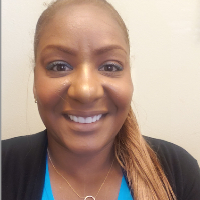
Felecia Dela-Sinqo
LCSW
Nevada - 7 yrs exp















How commitment issues therapy works for Nevada residents
If you are wrestling with hesitation about long-term relationships, recurring breakups, or a pattern of avoiding commitment, therapy can help you explore the roots of those patterns and build different ways of relating. In Nevada, commitment issues therapy typically begins with an assessment of your relationship history, current concerns, and goals. That assessment helps you and a therapist choose a direction - whether to focus on individual work, couples sessions, or a combination - and to identify practical steps you can try between sessions.
Therapy may address emotional patterns that interfere with commitment, such as fear of intimacy, worry about loss of independence, or anxiety about repeating past mistakes. Sessions are usually structured around conversations that clarify what you want from relationships, experiments to test new behaviors, and skills practice to manage anxiety and improve communication. You and your therapist will decide on the pace and focus based on your needs, and periodic reviews will check progress and adjust goals.
Initial assessment and goal-setting
The first few sessions are often focused on understanding patterns rather than fixing them immediately. Your therapist will ask about past relationships, family history, attachment experiences, and your current dating or partnership situation. From there, you will collaboratively set short-term and longer-term goals - for example, learning to express needs without withdrawing, deciding whether to pursue a serious relationship, or improving trust and stability in a partnership. These concrete goals keep therapy grounded and make it easier to measure change over time.
Therapeutic approaches you may encounter
Several evidence-informed approaches are commonly used to address commitment concerns. Cognitive behavioral methods explore the thoughts and beliefs that feed avoidance and test alternative interpretations. Emotion-focused techniques help you access and process feelings that may be driving ambivalence. Attachment-based work looks at early relational templates and how they influence adult choices. Some therapists integrate psychodynamic or relational approaches to examine repeating patterns across relationships. A skilled clinician will explain their approach and tailor it to your situation rather than insisting on one method for everyone.
Finding specialized help for commitment issues in Nevada
When you look for a therapist in Nevada who understands commitment issues, pay attention to training and experience as well as practical details like availability and location. Many therapists list specialties, typical client concerns, and populations they work with on their profiles. You can look for someone who has experience with dating transitions, couples counseling, or attachment-focused therapy depending on whether you are seeking individual or shared work. In larger communities like Las Vegas and Reno you will often find a wider range of specialized providers, while smaller cities and towns may have fewer options but therapists who bring broader clinical experience.
Consider whether you prefer in-person sessions in a nearby office or telehealth sessions that provide more scheduling flexibility. Nevada residents often mix both options - meeting some weeks in person and choosing video sessions when travel or busy schedules make it easier. If you live in Henderson or in suburban areas near Las Vegas, note that commute times and evening availability can influence which therapists fit your routine. Ask about languages spoken and cultural experience if that matters to you, since a strong cultural fit can make conversations easier and more productive.
What to expect from online therapy for commitment issues
Online therapy can be an effective way to work on commitment concerns, especially if your schedule or location makes regular in-office appointments difficult. Sessions via video or phone allow you to connect with therapists across Nevada without the need to travel, and they make it possible to continue work through moves or busy life periods. You will want to set up a comfortable and private environment at home or another quiet place where you can speak freely and focus on the conversation.
Expect the therapist to orient you to their online process in the first session, including how sessions are conducted, cancellation and fee policies, and what to do in case of an emotional crisis. Because laws and licensure affect how therapy is provided, confirm that the therapist is licensed to practice in Nevada and that they can legally provide telehealth services to clients where you are located. Online therapy also emphasizes clear communication about goals and homework - your therapist may suggest exercises or reflections to try between sessions and will check in on how those experiments felt for you.
Common signs that someone in Nevada might benefit from commitment issues therapy
You might consider seeking help if you notice recurring patterns that interfere with relationships - for example, repeatedly avoiding labels or exclusivity even when you long for stability, leaving relationships when they start to deepen, or feeling intense anxiety at the thought of moving in together or making long-range plans. Other signs include a history of short relationships without deeper connection, persistent doubts about whether you are “the right person” or fear that commitment will mean losing yourself, and chronic indecision about major relationship steps. You may also find that your worries affect your work or social life, or that friends and family express concern about your pattern.
Therapy is also helpful if you are in a relationship but struggle to agree on timing and next steps, or if you and a partner keep getting stuck on the same topic without resolution. Working with a therapist can give you tools to communicate your needs more clearly, to identify the fears underlying avoidance, and to test new behaviors in a way that feels manageable rather than overwhelming.
Tips for choosing the right therapist for this specialty in Nevada
Choosing the right therapist is a personal decision. Start by reading profiles to learn about a therapist’s training, specialties, and typical clients. Look for clinicians who explicitly mention work with commitment issues, relationship avoidance, or couples therapy if that aligns with your needs. Pay attention to session formats offered - if evening or weekend appointments are important, check availability. In cities like Las Vegas and Henderson you may find clinicians who focus on certain populations such as young professionals or folks in the entertainment industry, while Reno providers might emphasize community and family dynamics depending on the region.
When you reach out for an initial consultation, prepare a few questions about their approach to commitment issues, experience with your particular circumstances, and what a typical session looks like. Ask about fees, insurance acceptance, and whether sliding scale options are available if cost is a factor. During the first couple of sessions, notice how comfortable you feel talking with the therapist and whether they help you clarify goals and feel more hopeful about change. It is okay to try a few different therapists before you find the right fit - matching on communication style and trust is as important as professional qualifications.
Practical considerations for Nevada residents
Consider location and logistics. If you prefer in-person work, check whether a therapist’s office is convenient to your neighborhood in Las Vegas or closer to where you live in Reno or Henderson. If you rely on online sessions, make sure your internet connection and device support video calls. Think about scheduling in relation to work and family commitments and whether a therapist offers flexible session lengths or evening hours. Finally, bring your curiosity to the process - therapy is a collaboration and you should feel empowered to ask questions and propose adjustments to the plan as you go.
Commitment concerns can feel isolating, but help is available throughout Nevada. By learning about typical approaches, considering what matters most to you in a therapist, and taking advantage of both local and online options, you can find a therapist who helps you gain insight and build the skills to make clearer, more satisfying choices in relationships. When you are ready, browse the listings above and reach out to schedule a consultation with a clinician who resonates with your goals.