Find a Therapist of Color Therapist in Nebraska
This page lists therapists of color who provide culturally responsive mental health care across Nebraska, including practitioners serving Omaha, Lincoln, Bellevue and surrounding communities. Use the profiles below to compare approaches, languages, specialties and contact options. Browse the listings to find clinicians whose background and style match what you need.
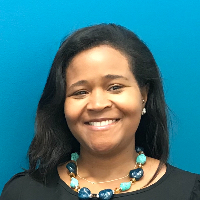

Priscilla Rogers
LMHP
Nebraska - 8 yrs exp







Understanding therapist of color therapy in Nebraska
When you look for a therapist of color, you are seeking clinicians whose personal, cultural or lived experiences help them understand how race, ethnicity and identity shape the challenges you face. In Nebraska that can mean finding someone familiar with urban experiences in Omaha, the university and government settings in Lincoln, military-related communities near Bellevue, or the unique needs of smaller towns and refugee populations across the state. A therapist of color can bring culturally attuned perspectives to conversations about identity, systemic stressors, family expectations and navigating institutions that may feel unfamiliar or unwelcoming.
Therapists of color vary in professional background - some are licensed counselors, clinical social workers, psychologists or marriage and family therapists. What unites them is an emphasis on cultural awareness and the ability to integrate that awareness into evidence-informed care. You should expect clinicians to blend their cultural understanding with common therapeutic approaches while tailoring sessions to your personal goals.
How therapist of color therapy works for Nebraska residents
If you live in Nebraska, therapy with a clinician of color can take place in a variety of settings. Many offer in-person sessions in offices located in cities like Omaha, Lincoln, Bellevue and Grand Island, while others provide remote care across state lines where licensing allows. In an initial appointment you can explore whether the therapist's cultural perspective, language abilities and clinical approach feel like a good fit. The work itself often focuses on improving coping strategies, processing experiences related to race and identity, strengthening relationships, and managing day-to-day stressors influenced by cultural expectations.
Therapists of color frequently use a collaborative approach, inviting you to set priorities and choose which cultural or identity topics to address. Sessions can attend to practical concerns - such as navigating workplace microaggressions, supporting children through bicultural identity development, or healing from intergenerational trauma - while also offering tools for emotional regulation and problem solving. You should expect a therapist to discuss their training and approach during early sessions so you can make an informed choice about continuing.
Finding specialized help for therapist of color in Nebraska
Start by narrowing what matters most to you. You might prioritize shared racial or ethnic background, language fluency, expertise with immigration-related stress, or experience working with LGBTQ clients of color. In Nebraska you can look for clinicians listing specialties relevant to your needs, such as adolescent identity work, racial trauma, family therapy, or cultural transition. Local organizations, community centers and university counseling services in Omaha or Lincoln sometimes provide referrals or host culturally specific support groups that connect you with clinicians who have relevant experience.
Insurance coverage and payment options vary across providers. Many therapists list whether they accept major insurers, offer sliding scale fees, or provide limited pro bono spaces. If cost is a concern, ask about fee structure and any community-based resources in your area. Language access is another practical consideration - therapists who offer sessions in Spanish, Somali or other languages commonly spoken in Nebraska communities can ease communication and reduce the time you spend explaining cultural nuances.
What to expect from online therapy with a therapist of color
Online therapy expands your options by allowing you to connect with clinicians who may be based in other parts of Nebraska but are still licensed to serve residents where allowed. If you live in a rural area or prefer the convenience of remote sessions, online care can connect you with therapists who share cultural or identity experiences even if their office is in Omaha or Lincoln. Expect the logistics to include a secure appointment system, a brief intake form, and a typical session lasting between 45 and 60 minutes.
Online work can feel very similar to in-person care when your therapist establishes rapport and clear communication. You should clarify technical requirements, cancellation policies and any differences in how personal nature of sessions is handled. It also helps to choose a quiet, comfortable environment for sessions and to test your camera and audio before your first appointment. If you plan to use teletherapy while traveling within Nebraska - for example between Grand Island and Bellevue - ask your therapist about licensure rules to confirm they can continue providing services at your location.
Common signs you might benefit from therapist of color therapy
You may find it helpful to see a therapist of color if you frequently feel misunderstood when discussing racial or cultural issues, or if your experiences with bias, discrimination or stereotyping are shaping your stress levels and relationships. You might notice particular strains when cultural expectations conflict with personal goals, when parenting across cultures raises new questions, or when workplace microaggressions leave you emotionally drained. Many people seek therapists of color after major life changes that bring identity concerns into focus - for example, returns from extended travel, transitions between rural and urban life, or changes in family structure.
Other signs include recurrent thoughts about past racially charged incidents, difficulty finding supportive friends who understand your cultural background, or a sense that mainstream therapy approaches miss important context in your life. Therapy with a clinician who recognizes and names cultural influences can help you unpack these patterns and develop strategies that fit your lived reality.
Tips for choosing the right therapist for this specialty in Nebraska
Begin by making a short list of what matters most to you - whether that is a shared racial or ethnic background, language, clinical focus, or experience with specific life stages. Read practitioner profiles carefully to learn about training, approach and populations served. When you contact a potential therapist, prepare a few questions to learn how they integrate cultural identity into clinical work, what outcomes they prioritize, and how they handle topics that may be sensitive or difficult to talk about.
Trust your impressions from the first sessions. A good therapeutic match often hinges on how comfortable you feel discussing race and identity, whether you feel heard when you raise culturally specific concerns, and whether the clinician adapts strategies to fit your values. If you live near major centers like Omaha or Lincoln you may have more options for in-person matches, while residents outside those cities can often find excellent remote clinicians who understand regional and cultural nuances. Do not hesitate to ask about session frequency, emergency contact procedures, and whether the therapist collaborates with other community resources if you want integrated support.
Choosing a therapist is a personal process. You can prioritize practical matters such as location, language and cost, while also paying attention to how thoughtfully a clinician addresses culture and identity. With patience and clear communication you can find a therapist of color in Nebraska who offers culturally attuned care tailored to your goals, whether you prefer in-person sessions in Bellevue or teletherapy that fits a busy schedule.
Moving forward
Take advantage of the profiles above to learn more about individual clinicians, read about their approaches, and reach out for an initial conversation. A short phone call or email can help you confirm fit before committing to ongoing sessions. Remember that seeking help is a step toward creating more balance and resilience in daily life, and finding a therapist who understands your cultural context can be an important part of that journey in Nebraska.