Find a Social Anxiety and Phobia Therapist in Nebraska
Find therapists in Nebraska who specialize in social anxiety and phobias, with options for in-person care and online therapy. Browse the listings below to compare clinicians, view areas served and connect with local professionals across Omaha, Lincoln, Bellevue and other Nebraska communities.



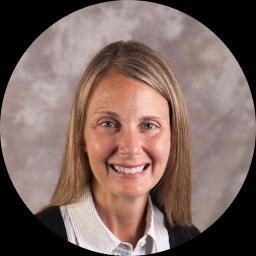
Priscilla Rogers
LMHP
Nebraska - 8 yrs exp








How social anxiety and phobia therapy typically works for Nebraska residents
If you are seeking support for social anxiety or specific phobias in Nebraska, therapy usually begins with an assessment of how symptoms affect daily life - from work and school to family and social activities. Your clinician will talk with you about patterns of avoidance, bodily symptoms like sweating or trembling in social situations, and the thoughts that come up when you face feared circumstances. Together you will set goals that are practical and tailored to your situation, whether that means reducing fear in large groups, managing public speaking anxiety, or gradually facing a specific fear such as heights or flying.
Many evidence-based approaches are used by therapists who treat social anxiety and phobias. Cognitive-behavioral techniques help you identify and test unhelpful thoughts while learning new coping skills. Behavioral methods include graduated exposure - a step-by-step approach to facing feared situations - and anxiety management strategies such as breathing and grounding. Therapy is collaborative, and progress often depends on practicing skills between sessions in real life or in guided exercises provided by your clinician.
Finding specialized help for social anxiety and phobia in Nebraska
Where you live in Nebraska can shape how you search for a specialist. In urban centers like Omaha and Lincoln you will often find a wider range of providers who list social anxiety, social phobia, performance anxiety or specific phobias among their specialties. Smaller cities such as Bellevue and Grand Island may have fewer specialists, but clinics, university training programs and community mental health centers can offer strong options. If you live in a rural area, online therapy expands access to clinicians who focus on these concerns and who may otherwise be out of reach.
When exploring profiles, look for clinicians who explicitly mention experience with social anxiety or phobia-focused work, training in cognitive-behavioral therapies, exposure-based methods or social skills training. Many therapists also list populations they serve, such as adolescents, college students or adults in professional settings - details that can help you find someone who understands the context of your concerns, whether you are preparing for interviews in Omaha or managing social stress while attending classes in Lincoln.
What to expect from online therapy for social anxiety and phobia
Online therapy has become a common option across Nebraska and can be especially helpful for social anxiety, because it reduces some logistical barriers to starting care. In a virtual session you can talk with a clinician from home and practice skills in a setting that feels manageable. Therapists can guide exposure work, role-play social interactions and coach through anxiety management techniques in real time. You should expect the first few sessions to focus on assessment, goal-setting and learning strategies you can try between appointments.
Online sessions may also include assignments such as recording reflections, trying short exposures and reporting back on what changed. Technology makes it easier to maintain continuity when weather or travel would otherwise interrupt sessions, and it widens your options if you live outside Omaha or Lincoln. If you prefer in-person work for certain kinds of exposures, many therapists offer a mix of online and face-to-face appointments or can recommend local resources for hands-on practice.
Common signs that someone in Nebraska might benefit from social anxiety or phobia therapy
You might consider seeking help if social situations or specific fears regularly limit what you do or cause intense distress. This often looks like avoiding gatherings, turning down job opportunities or skipping classes because of fear of being judged or embarrassed. Physical symptoms such as heart racing, shaking, nausea or blushing in social settings can accompany the distress and make participation feel overwhelming. If these reactions interfere with relationships, work or day-to-day tasks, therapy can teach strategies to reduce avoidance and build confidence.
People also reach out for help when they notice patterns of negative self-talk before or after social interactions, or when performance anxiety impacts presentations, auditions or interviews. If you find it hard to introduce yourself, speak up in meetings, or maintain friendships because of worry about negative evaluation, a therapist can help you develop both the skills and the opportunities to practice in manageable steps. Seeking support does not mean you are failing; it means you are taking an active step to change how anxiety affects your life.
Tips for choosing the right therapist for social anxiety and phobia in Nebraska
Choosing a therapist is a personal process and it helps to approach it with a few practical considerations. Start by checking whether a clinician lists social anxiety, social phobia or specific phobias among their specialties and look for training or experience in cognitive-behavioral approaches, which are commonly used for these concerns. Consider the populations they work with - some therapists focus on teens or college students, which may be a better fit if you are in that life stage, while others work primarily with adults or older adults.
Location and format matter. If you live near Omaha or Lincoln, you may have access to in-person options and community resources that complement therapy such as support groups or workshops. If transportation or scheduling is a concern, online therapy expands your choices. Think about logistical questions like appointment times, insurance participation or sliding scale fees, and whether the therapist offers flexible scheduling for busy workweeks or evening sessions.
Personal fit is also key. Many clinicians offer a brief initial consultation - often by phone or video - so you can get a sense of their style, approach and whether sessions will feel like a comfortable setting for growth. You may want a therapist who takes a structured approach with homework and exposure plans, or someone who emphasizes coping skills and gradual confidence building. Trust your experience during that first conversation - a collaborative and respectful dynamic is an important part of effective work.
Using local resources while you start therapy
In Nebraska you can supplement individual therapy with local resources. University counseling centers, community mental health programs and employee assistance services often provide workshops or group formats that focus on social anxiety skills, public speaking practice or stress management. Groups can be particularly helpful because they create a low-stakes environment to practice social interactions with peers. If you are in Omaha, Lincoln or nearby communities, ask about group options or referral networks that connect you to behavioral health services in Grand Island or Bellevue.
Beginning therapy for social anxiety or a phobia is a step toward greater participation in the activities that matter to you. Whether you choose a local therapist in Omaha, an online clinician you can meet with from rural Nebraska, or a combination of services, the important part is finding a provider whose expertise and approach fit your goals. With consistent practice and support, many people find they can reduce avoidance, manage symptoms and reclaim opportunities that anxiety had limited. When you are ready, use the listings above to compare clinicians and take the next step toward care.