Find a Self-Love Therapist in Nebraska
This page connects visitors with therapists in Nebraska who focus on self-love and self-compassion work, offering details on approaches, credentials, and service options. Browse the listings below to compare clinicians in Omaha, Lincoln, Bellevue and other communities across the state.

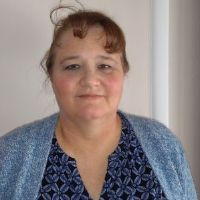






Priscilla Rogers
LMHP
Nebraska - 8 yrs exp



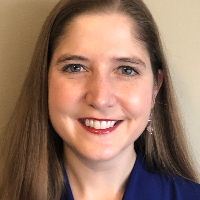
Kersten Borer
LIMHP
Nebraska - 25 yrs exp











How self-love therapy works for Nebraska residents
Self-love therapy is a collaborative process that helps you shift unhelpful patterns of self-criticism and avoidance toward greater acceptance and care for yourself. In a therapy setting you and your clinician will explore the beliefs, experiences, and learned habits that shape how you treat yourself. Sessions may include reflective conversation, experiential exercises, skill building, and homework designed to expand the ways you respond to stress and setbacks. For many people in Nebraska, this work is grounded in practical strategies that fit daily life - small, sustainable changes that support improved mood, relationships, and decision-making.
Therapists who specialize in self-love bring training in approaches such as cognitive-behavioral techniques that help you notice and reframe negative self-talk, mindfulness practices that deepen awareness, and compassion-focused methods that encourage gentler inner dialogue. The pace and emphasis are tailored to your needs, whether you are working on boundary setting, recovering from comparison-driven dissatisfaction, or rebuilding self-trust after a major life transition.
Finding specialized help for self-love in Nebraska
When searching for a clinician who practices self-love work, look for descriptions that highlight training in self-compassion, body image, acceptance-based therapies, trauma-informed care, or relational approaches. Many therapists list specialties and treatment modalities on their profiles, making it possible to identify those whose focus aligns with your goals. You might prioritize a therapist who mentions explicit experience with self-esteem work, perfectionism, or identity-related concerns if those are central to your experience.
Geography can shape your search in Nebraska. Urban areas such as Omaha and Lincoln provide more options and a wider variety of modalities, including group workshops or specialty programs. If you live in a smaller town or in a rural area, clinicians who offer teletherapy can expand the pool of available providers. In every case, checking a clinician's professional credentials and reading their biography can give you a sense of their approach and whether you would feel understood in sessions.
What to expect from online therapy for self-love
Online therapy has become a widely used option across Nebraska, offering convenience and continuity for people with busy schedules or limited local resources. When you choose online sessions, you can expect many of the same therapeutic elements as in-person work - assessment, goal setting, structured exercises, and guided reflection - delivered through video, phone, or messaging platforms. Many clinicians use secure technology to protect appointment details and notes, and they will explain how they manage communication between sessions and respond to urgent needs.
Remote therapy can be especially helpful if you live outside Omaha or Lincoln and want access to therapists with specific expertise. It also makes it easier to maintain momentum during life changes such as job relocation, college attendance, or family obligations. To get the most from online work, prepare a quiet, comfortable environment where you can speak openly, and discuss with your therapist how to handle interruptions, technical issues, and boundaries around scheduling.
Practical considerations for online sessions
Before starting, ask about session length, typical homework or exercises, fee structure, and whether the therapist offers sliding scale rates. Confirm that the clinician is licensed to practice in Nebraska and ask how they approach situations that require urgent support. If cultural or identity-related issues matter to you, ask about the therapist's experience working with people who share your background or life circumstances. Many therapists are happy to set up a brief consultation so you can assess fit before committing to regular sessions.
Common signs you might benefit from self-love therapy
If you regularly experience harsh self-criticism, feel unworthy despite evidence to the contrary, or struggle to accept compliments, self-love therapy can provide tools to shift these patterns. You might notice a persistent inner voice that pushes you to overwork, people-please, or avoid new opportunities for fear of failure. Difficulty setting boundaries, neglecting basic self-care, or measuring your worth by external achievements are also common indicators that it could be helpful to explore self-love work with a clinician.
Other signs include repeated comparisons to others that leave you feeling diminished, staying in relationships that undermine your sense of self, or responding to setbacks with intense shame rather than practical problem solving. These patterns often show up in relationships, at work, and during life transitions. If these experiences reduce your enjoyment of life or limit your ability to act on goals, working with a therapist may help you develop more compassionate, effective ways of relating to yourself.
Tips for choosing the right therapist in Nebraska
Choosing a therapist is a personal decision that depends on professional fit and interpersonal comfort. Start by clarifying what you want to change - greater self-acceptance, healthier boundaries, less critical self-talk - and use that clarity to guide your search. Read therapist bios for mentions of self-compassion, body image, perfectionism, or acceptance-based therapies. Pay attention to whether a clinician describes a structured approach or a more exploratory, relational style and consider which feels most likely to support your goals.
Scheduling a brief introductory call can help you assess rapport before committing to regular sessions. During that call, ask about the therapist's experience with self-love work, how they measure progress, and what types of exercises they typically use between sessions. You can also inquire about logistical details such as session frequency, cancellation policies, and whether the clinician works with clients in your time zone. If you live in or near a major city like Omaha or Lincoln, you may have access to a wider variety of specialists, but the same selection criteria apply whether you meet in person or online.
Trust your instincts about how you feel after the first few sessions. A good match often feels like a balance of challenge and support - someone who can help you see new patterns while treating the work with empathy. If, after several sessions, you feel the approach is not helping, it is reasonable to look for a clinician with different training or style. Many people benefit from trying one or two clinicians before finding the right fit.
Local considerations and next steps
Nebraska offers a mix of urban and rural living, which can affect therapy access and community resources. In Omaha and Lincoln you may find workshops, group offerings, and clinicians with niche specializations. In other communities, including Bellevue and surrounding areas, therapists may provide flexible scheduling and teletherapy options to meet diverse needs. If you are exploring in-person options, inquire about where a therapist holds sessions and whether they offer evening or weekend hours to accommodate work or family responsibilities.
Once you identify a few promising profiles, reach out for an initial conversation to learn more about approach, availability, and pricing. Prepare a short list of priorities to discuss, such as goals for therapy, personal triggers, and any past experiences with counseling. Starting therapy is an active step toward developing a kinder relationship with yourself, and taking the time to choose a clinician who feels right for you can make that journey more effective and sustainable.
Self-love work is a gradual process, and many people notice small but meaningful changes early on - less reactivity to self-critical thoughts, clearer boundaries, and more consistent self-care. Over time these incremental shifts can support larger life changes in relationships, work, and personal well-being. If you are ready to explore this work, use the listings above to find therapists in Nebraska who specialize in self-love, reach out for a consult, and take the first step toward a more compassionate way of living with yourself.