Find an Older (45+) Therapist in Nebraska
This page highlights clinicians in Nebraska who specialize in supporting people aged 45 and older. Explore profiles below to find a therapist with experience in midlife transitions, grief, caregiving and retirement adjustment.
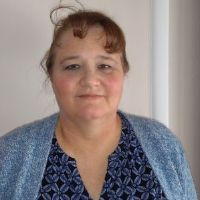








Kersten Borer
LIMHP
Nebraska - 25 yrs exp















How older (45+) therapy typically works for Nebraska residents
When you seek therapy focused on concerns common to people 45 and older, you will find a range of approaches and settings across Nebraska. Many therapists offer both in-person sessions and online options so you can choose what fits your routine - from offices in Omaha or Lincoln to remote appointments that reach people in smaller towns and rural counties. Sessions often begin with an intake conversation that covers current concerns, medical history, life context and goals. That initial meeting helps you and the clinician decide whether a short-term, goal-focused approach or a longer, exploratory process is most appropriate. Therapists trained to work with older adults may emphasize strengths that come with life experience while also addressing losses and transitions that often emerge in midlife and beyond.
Typical focus areas and therapeutic approaches
Therapists who specialize in the 45+ population often address topics such as retirement planning and adjustment, caregiving stress, relationship shifts, grief and bereavement, changes in health or chronic illness management, and identity shifts that accompany midlife. You may encounter a range of therapeutic modalities - cognitive behavioral approaches that help with anxiety and mood, emotion-focused therapy for relationship and loss work, and supportive therapies that help with coping and practical problem solving. Many clinicians tailor their work to your cultural background, life stage and practical needs, and they frequently coordinate care with medical providers when concerns overlap with physical health.
Finding specialized help for older (45+) in Nebraska
Start by clarifying what you want from therapy. Are you looking for help with adjusting to retirement, managing caregiver fatigue, processing recent losses or addressing relationship challenges? Once you have a sense of priorities, search listings for clinicians who indicate experience with midlife and later-life issues. In Nebraska, availability can vary between urban centers and rural communities, so consider both local in-person options and therapists who offer remote sessions. Practitioners in Omaha and Lincoln often have broad specialty offerings and may provide evening appointments, while clinicians in Bellevue or Grand Island can be easier to access for in-person follow-ups. If you live in a smaller town, online sessions can reduce travel time and expand your choices.
Credentials and experience to look for
You will want to confirm that a therapist is licensed in Nebraska and that their background aligns with your needs. Years of clinical experience, training in grief work or geriatric mental health, and experience with caregiving families are relevant factors. Some therapists have lived experience as midlife adults or caregivers and bring that perspective to clinical work. Read provider bios to understand therapeutic orientation, typical session length and whether they work with couples or individuals. If you rely on insurance or use a health savings account, check billing practices ahead of time so there are no surprises.
What to expect from online therapy for older (45+)
Online therapy can be a practical option whether you live in a city or a rural area of Nebraska. When you choose remote sessions, you can expect appointments to run on a similar schedule to in-person visits - often 45 to 50 minutes per session on a weekly or biweekly cadence to start. Therapists will typically explain how they handle emergencies, how they manage boundaries around session times, and what to do if technology fails. You should also ask about the platform used for video sessions, whether phone sessions are available, and what to expect in terms of scheduling and payment. Many people appreciate the convenience of online therapy for maintaining continuity of care during busy seasons of life or while traveling between Omaha and Lincoln for family or work obligations.
Practical considerations for remote work
To get the most from online therapy, choose a quiet, comfortable space where you can speak without interruption. If you share your home with family or caregivers, plan a time when interruptions are less likely so conversations can go deeper. Make sure your device and internet connection are reliable and that you understand basic features such as muting, video on and off, and how to share documents if needed. If you prefer in-person contact, many Nebraska clinicians provide a mix of remote and office-based sessions so you can blend the two as your needs change.
Common signs someone in Nebraska might benefit from older (45+) therapy
People often consider therapy when life changes begin to feel overwhelming or when old coping strategies stop working. You might notice persistent sadness, a loss of interest in activities you used to enjoy, trouble sleeping, or frequent worry that interferes with daily life. Changes in appetite or energy, increased alcohol or substance use, or growing tension with a partner or adult children can also be indicators. Practical challenges such as trouble adapting to retirement, feeling isolated after a move, or ongoing stress from caregiving responsibilities are other common reasons to reach out. If you are navigating a serious medical diagnosis or the long-term care decisions of a loved one, therapy can provide practical support and a space to process emotions.
Tips for choosing the right therapist for this specialty in Nebraska
Begin by reviewing clinician profiles to match areas of focus with your goals. Look for therapists who explicitly list work with midlife transitions, bereavement, caregiver stress or aging-related concerns. Consider whether you prefer a therapist who uses a structured approach or one who is more exploratory in style. Location and availability matter - if regular in-person sessions are important, search for clinicians near Omaha, Lincoln, Bellevue or Grand Island. If flexibility is essential, prioritize providers who offer evening appointments or online sessions. It is also reasonable to ask prospective therapists about their experience with issues like chronic illness adaptation, coordination with physicians, and work with family caregivers. Many people find it helpful to schedule an initial consultation call to assess rapport, communication style and practical details such as fees, sliding scale options and cancellation policies.
Building a therapeutic relationship
Therapy is most effective when you feel heard and understood, so trust your instincts about fit. It is okay to try a few sessions and then switch clinicians if the working relationship does not feel right. You should expect a clinician to explain the goals of therapy and to check in about progress as work continues. If you have cultural or faith-based preferences, look for a therapist who respects and integrates those values into treatment. In Nebraska communities, clinicians often have experience balancing regional culture and family dynamics with evidence-based care.
Taking the next step
If you are considering therapy, start by identifying your goals and then use the listings on this page to compare clinicians who work with adults 45 and older in Nebraska. Whether you are in a larger metro area like Omaha or Lincoln or in a smaller town, you can find therapists who offer practical strategies, emotional support and coordination with other resources. A brief introductory call can clarify expectations, scheduling and whether the clinician’s approach matches your needs. Taking that first step can help you find clearer direction and more manageable ways to handle the transitions and challenges that often come in midlife and beyond.