Find a Disaster Relief Therapy Therapist in Nebraska
This page features Nebraska therapists who specialize in disaster relief therapy, with profiles that outline their approaches, credentials, and areas of focus. Browse the listings below to find practitioners available in Omaha, Lincoln, Bellevue, Grand Island, and other communities across the state.

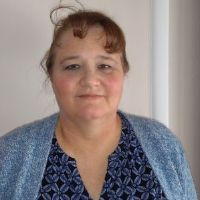

Priscilla Rogers
LMHP
Nebraska - 8 yrs exp













How disaster relief therapy can help you in Nebraska
If you have experienced a flood, tornado, wildfire, or other community emergency in Nebraska, you may find your emotions, routines, and sense of safety affected. Disaster relief therapy focuses on helping people process those experiences, address intense stress reactions, and rebuild daily functioning. In therapy you work with a clinician trained in trauma-informed approaches to identify immediate needs, develop coping strategies, and create a plan for ongoing recovery. The work often moves from managing acute distress - such as panic, intrusive memories, sleeplessness, and grief - toward restoring a sense of control and rebuilding relationships and practical supports.
Immediate support and longer-term care
Therapists offering disaster relief services commonly provide both short-term crisis support and options for longer-term counseling when needed. Early sessions may concentrate on stabilizing your sleep, reducing overwhelming emotions, and connecting you with practical resources in your area. Over time therapy can shift to processing the event, addressing complicated grief or traumatic stress reactions, and helping you regain routines that anchor daily life. In Nebraska, the approach is often adapted to local realities - for example, addressing agricultural losses, disruptions to small towns, or the impact of mass evacuations in urban areas like Omaha and Lincoln.
Finding specialized disaster relief help in Nebraska
When you search for a therapist who focuses on disaster relief, look for clinicians who list trauma-informed training, experience with crisis intervention, or specific disaster-response credentials. Many professionals will note experience working with survivors of natural disasters, first responders, or families impacted by community-wide emergencies. In larger Nebraska cities you can often find clinicians who have worked with municipal response teams or nonprofit recovery programs in Omaha and Lincoln, while clinicians serving Bellevue, Grand Island, and surrounding counties may bring rural community experience and knowledge of local resources.
Where to look and what to ask
Start by reviewing therapist profiles to learn about their training, treatment orientation, and availability. Pay attention to whether they mention evidence-based approaches for trauma and stress, such as cognitive-behavioral techniques adapted for disaster contexts. If you contact a clinician, you might ask about their experience with local disaster recovery efforts, how they coordinate with community agencies, and whether they offer brief crisis-focused care as well as longer-term therapy. These questions can help you identify someone whose approach fits your current needs and circumstances.
What to expect from online disaster relief therapy
Online therapy can be a practical option for many Nebraskans, particularly when physical travel is difficult or local resources are limited. Through secure video or phone sessions you can meet with a therapist who understands disaster recovery and can guide you through coping skills, stabilization techniques, and problem-solving about housing, finances, or family stress. Online sessions allow you to access clinicians in Omaha or Lincoln without commuting, and they can connect you with specialists who are familiar with disaster relief even if they are based in another part of the state.
Practical considerations for virtual care
Before beginning online therapy, consider where you will take sessions so you have a quiet, comfortable environment. Test your technology and confirm the therapist's hours and cancellation policy. If you need help with paperwork or referrals to local services, ask how the therapist coordinates those connections. Online therapy may not be appropriate in every situation - for example if you have severe safety concerns that require in-person attention - but for many people it is an accessible way to receive consistent emotional support during recovery.
Signs someone in Nebraska might benefit from disaster relief therapy
It can be hard to know when to seek help after a disaster. You might consider reaching out if you notice persistent sleep problems, repeated intrusive memories of the event, a sense of being on edge all the time, or difficulty returning to work or school. Intense irritability with family members, withdrawing from friends and community activities, or ongoing panic when reminded of the event are also indicators that additional support could be helpful. Parents and caregivers should watch for changes in children's behavior, such as increased clinginess, regression in skills, or nightmares, and consider therapy for younger family members as well as adults.
When concerns persist
If symptoms remain severe or interfere with daily responsibilities weeks or months after the disaster, you may benefit from a structured plan with a therapist. That plan typically includes symptom monitoring, coping skills training, and gradual exposure to reminders of the event if avoidance is causing problems. A therapist can also help you access other community supports in Nebraska, such as housing assistance, financial counseling, or support groups for people affected by the same event.
Tips for choosing the right disaster relief therapist in Nebraska
Choosing a therapist is a personal decision and it helps to be intentional in your search. Look for a clinician whose profile mentions experience with disaster-related stress, trauma-informed care, or crisis intervention. Consider whether you prefer virtual sessions, in-person meetings, or a combination; many therapists list their service areas and whether they travel to community locations. Read descriptions of treatment approaches to see if they emphasize practical coping strategies, grief work, or trauma-focused methods that align with your goals.
Balancing credentials, fit, and accessibility
Credentials matter, but fit and accessibility are equally important. You may be most helped by a therapist who understands the local context in Nebraska - someone familiar with recovery resources in Omaha, or who has experience supporting agricultural communities and small towns. Pay attention to availability, insurance or payment options, and whether you feel comfortable communicating with the therapist during an initial consult. Many clinicians offer brief introductory calls so you can ask about their approach and determine whether a working rapport is likely.
Moving forward after a disaster
Recovery after a disaster is often nonlinear - progress can include setbacks, and that is a normal part of healing. Working with a disaster relief therapist gives you a partner to navigate those ups and downs, connect with community resources, and develop a plan for rebuilding routines and relationships. Whether you are in Omaha, Lincoln, Bellevue, Grand Island, or a smaller Nebraska community, taking the step to reach out can help you regain stability and plan for the weeks and months ahead.
If you are ready to explore options, use the listings on this page to compare clinician profiles, read about their approaches, and arrange an introductory conversation to see if a particular therapist feels like a good match for your needs. Recovery is a process, and finding the right support in Nebraska can make the path forward more manageable and hopeful.