Find a Compulsion Therapist in Nebraska
This directory page highlights therapists in Nebraska who focus on compulsion-related concerns. Browse the listings below to compare specialties, credentials, and contact options to find a clinician who fits your needs.






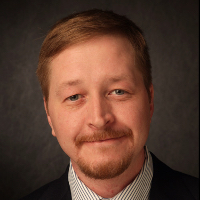
Kersten Borer
LIMHP
Nebraska - 25 yrs exp

















How compulsion therapy typically works for Nebraska residents
If you are exploring compulsion therapy in Nebraska, you can expect a process that begins with an assessment and moves toward targeted strategies tailored to your situation. During an initial session a clinician will ask about patterns, triggers, and how compulsive behaviors affect daily life, work, and relationships. That intake lays the groundwork for a treatment plan that may include skill-building, behavior-focused strategies, and regular progress reviews. You should expect collaboration with your clinician - goals are set together and revised as you notice changes.
Common therapeutic approaches
Therapists who specialize in compulsion often draw from several evidence-informed methods that emphasize understanding and changing behavior cycles. Cognitive-behavioral approaches help you identify the thoughts and situations that precede compulsive actions and teach alternative responses. Exposure-based strategies may be used in a graduated way to reduce the urge to complete a compulsion by facing feared thoughts or situations while refraining from the behavior. In addition, some clinicians integrate acceptance-based techniques to help you respond differently to uncomfortable emotions or urges. Your therapist will explain the rationale for each method and tailor use of these approaches to your goals and comfort level.
Finding specialized help for compulsion in Nebraska
When you look for a clinician who understands compulsive patterns, consider both training and experience. Many Nebraska clinicians list specializations such as obsessive behaviors, impulse-control concerns, or related anxiety conditions. You may find practitioners in larger urban areas like Omaha, Lincoln, and Bellevue, as well as clinicians serving smaller communities or offering remote appointments that reach Grand Island and other towns. Licensing boards and professional associations can provide background on a therapist's credentials, while provider profiles often note additional training, supervision, and the types of clients they typically see.
If you live in a rural part of Nebraska, online or hybrid options can broaden access to clinicians who focus on compulsion work. Still, some people prefer in-person care when available, especially for initial assessments. If proximity matters to you, filter searches by city or zip code and read descriptions to learn about practice settings, office accessibility, and parking. You can also reach out to a clinician's office to ask how they work with people in your part of the state and whether they have experience with issues that matter to you.
What to expect from online therapy for compulsion
Online therapy offers flexibility and can be an effective way to work on compulsive behaviors, particularly if you have limited local options. In virtual sessions you can expect structured conversations similar to in-person meetings, with clinicians using evidence-informed techniques adapted for video or phone formats. Sessions typically focus on identifying triggers, developing coping strategies, practicing exposure exercises, and reviewing homework between meetings. Many therapists will assign exercises to practice between sessions so you can apply new skills in everyday situations.
Technology requirements are usually straightforward - a device with a camera and reliable internet connection is often sufficient. Before starting online care you should confirm that the clinician is licensed to practice in Nebraska and that they outline expectations for session length, fees, cancellation policies, and how to handle emergencies. If you anticipate practicing exposure tasks as part of therapy, discuss how to do that safely at home and how the clinician can support you during those exercises. Whether you connect from Omaha, Lincoln, or a smaller Nebraska town, online work can help you maintain consistent treatment while balancing other commitments.
Signs you might benefit from compulsion therapy
You might consider seeking a therapist if compulsive behaviors are interfering with your daily life, relationships, or job performance. Patterns that often prompt people to reach out include frequent urges to perform specific actions that feel uncontrollable, time-consuming rituals that reduce productivity, or repetitive behaviors that you regret afterward. You may also notice that attempts to stop or cut back increase anxiety or distress, or that compulsive acts are used to manage uncomfortable emotions. If these patterns create shame, avoidance of social situations, or persistent cycles that you cannot change on your own, therapy can offer tools to break the cycle.
Family members and friends in Nebraska sometimes encourage someone to seek help when compulsive behaviors become more visible or risky. You may find it helpful to ask for support from a trusted person when beginning care, especially if you plan to practice challenging tasks at home. Clinicians can also work with loved ones to improve communication and develop strategies that support recovery while preserving autonomy and dignity.
Tips for choosing the right therapist for compulsion work in Nebraska
Choosing a therapist is a personal decision and it helps to prioritize factors that matter most to you. Start by reviewing profiles to learn about a clinician's training, therapeutic approach, and experience with compulsion-related issues. Consider whether you prefer someone who emphasizes behavioral techniques, acceptance strategies, or a blended approach. Practical considerations such as appointment availability, office location in cities like Omaha or Lincoln, and whether the clinician offers evening or weekend hours can influence what fits into your life.
When you contact potential therapists, prepare a few questions about their experience with compulsive behaviors and what a typical treatment timeline might look like. Ask how they measure progress and how frequently they reassess goals. You may also want to discuss communication preferences between sessions and what resources they recommend for practice outside of appointments. Trust your sense of fit - a good working relationship is built on respect, clear expectations, and a shared plan for progress.
If affordability is a concern, ask about sliding scale fees, payment options, or whether the clinician accepts your insurance. Some therapists in Nebraska offer brief phone consultations or introductory sessions that can help you decide if the clinician's style aligns with your needs before committing to regular appointments. Remember that finding the right match can take time, and it is reasonable to try a few clinicians before settling into a consistent therapeutic relationship.
Moving forward with care in Nebraska
Seeking help for compulsive behaviors is a proactive step toward improving daily functioning and well-being. Whether you choose an in-person clinician in Bellevue or a therapist who works remotely with clients across the state, you can expect a process that emphasizes assessment, goal-setting, and practical strategies. Small changes in how you respond to urges can add up over weeks and months, and your clinician will support you in building those skills at a pace that fits your life. Use this directory to compare profiles, reach out to therapists who seem like a match, and begin a conversation about the kind of support that will help you move forward.