Find an Adoption Therapist in Nebraska
This page lists adoption therapists serving Nebraska, including clinicians experienced with adoptive families and adoptees across urban and rural communities. Use the profiles below to search by location, approach, and availability. Browse the listings to compare clinicians and reach out to those who match your needs.


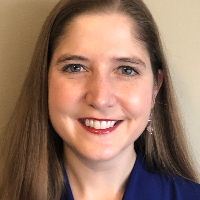
Priscilla Rogers
LMHP
Nebraska - 8 yrs exp


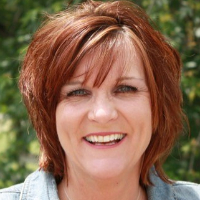
Kersten Borer
LIMHP
Nebraska - 25 yrs exp


















How adoption therapy typically works for Nebraska residents
Adoption therapy is a collaborative process that brings together your life history, current relationships, and goals for healing or growth. When you begin work with an adoption-focused therapist in Nebraska, the first sessions usually involve a thorough review of your adoption story, current concerns, and strengths. The therapist will ask about placement history, age at placement, openness with birth family, and any traumas or transitions that preceded or followed adoption. From that assessment you and your clinician will develop a plan tailored to your situation - whether you are an adoptive parent seeking parenting strategies, an adoptee exploring identity questions, or a birth parent working through grief.
Your therapist may use a range of approaches informed by attachment science, trauma-aware techniques, family systems thinking, and developmental perspectives. Sessions can be individual, with parents, or with the whole family depending on your goals. The pace of work is set collaboratively, so you will have a clear sense of what to expect from week to week and how progress will be measured.
Intake and early sessions
Early sessions focus on listening and information-gathering. Your clinician will want to understand events that shaped early relationships, schooling and social experiences, and any current stressors. You can expect questions about medical history, previous mental health care, school or work functioning, and relationships with caregivers and peers. If you are a parent, the therapist will explore family routines, discipline patterns, and how adoption themes appear in daily life. This early phase is also when practical matters are covered - scheduling, fees, insurance, and the therapist's approach to record-keeping and privacy.
Finding specialized adoption help in Nebraska
Because adoption presents unique emotional and relational themes, you will often want a clinician with specific training or experience in adoption work. Look for therapists who describe experience with adoption-related issues such as attachment challenges, identity development, open adoption dynamics, transracial placement, and reunion work. In larger centers like Omaha and Lincoln you may find clinicians with long histories of working with adoptive families, while in smaller communities a therapist may combine adoption expertise with broader experience in trauma, parenting, or family therapy.
Local resources can supplement individual therapy. Adoption agencies, peer-led support groups, and educational workshops often operate in and around cities such as Omaha, Lincoln, Bellevue, and Grand Island. Your therapist can help you connect with these resources, coordinate with pediatricians or school staff, and recommend community programs that address adoption-affirming identity development and family resilience.
What to expect from online adoption therapy
Online therapy expands access to adoption-specialized clinicians across Nebraska. If you live outside major urban centers or have scheduling or transportation constraints, virtual sessions can make consistent care more attainable. During an online session you will want a quiet, uninterrupted room and a reliable internet connection. Your therapist will explain how they protect session information and the limits to privacy, how to handle technology interruptions, and what to do in an emergency. They will also review boundaries around messaging between sessions and any documentation or forms that need to be completed electronically.
Clinically, many adoption themes translate well to online work. Identity conversations, grief processing, parenting coaching, and joint family sessions can all be effective via video. You may find online therapy allows more flexible scheduling and easier inclusion of family members who live in different towns or counties. Some families use a mix of in-person and online sessions to balance the benefits of face-to-face connection with the convenience of telehealth.
When online care may be especially useful
Online therapy can be especially helpful if you live in a rural area of Nebraska, if you need appointments outside typical office hours, or if childcare and transportation are barriers. You might choose online work to include a distant relative or birth family member in specific sessions. Discuss with your therapist how to prepare your physical space at home to maintain focus and a sense of safety during virtual sessions.
Common signs that adoption therapy may help
People seek adoption therapy at many life stages and for a variety of reasons. You may notice persistent identity questions, where curiosity about origins or feelings of not fitting in create ongoing distress. Children and adolescents sometimes show attachment-related behaviors - difficulty calming, frequent outbursts, or challenges forming trust with caregivers. Parents often report feeling uncertain about how to balance boundaries and empathy, or they may struggle with managing behaviors that do not respond to usual parenting strategies. Reunion or contact with birth relatives can trigger strong emotions for adoptees and adoptive parents alike, and a therapist can help you navigate that process thoughtfully.
Other signs include school or peer difficulties that seem tied to attachment or identity, recurring grief or loss that resurfaces at milestones, and relationship strains that seem anchored in adoption history. If you feel stuck repeating patterns that cause pain or if you want coaching to strengthen family bonds, adoption therapy can provide focused support tailored to your experience.
Practical tips for choosing the right adoption therapist in Nebraska
Start by reviewing clinician profiles to identify those who explicitly list adoption-related experience. Reading biographies can help you gauge whether a therapist has worked with families, infants, teens, or adult adoptees. Consider whether you prefer a clinician who emphasizes attachment-informed or trauma-aware methods, or someone whose training centers on family systems. You should also check logistical fit - whether the therapist offers in-person appointments in a nearby city like Omaha, Lincoln, Bellevue, or Grand Island, and whether they provide virtual sessions that fit your schedule.
When you contact a therapist, it is reasonable to ask about specific experience with the issues that matter most to you. You might inquire how they have supported other adoptive families through transitions, how they approach reunions, or how they work with transracial identity questions. Ask about typical session length, expected frequency of visits, fees, and whether they work with your insurer or offer sliding-scale arrangements. Trust your sense of fit during an initial consultation - the therapeutic relationship itself is one of the strongest predictors of helpful outcomes.
Working across systems and building supports
A good adoption therapist will be willing to collaborate with other professionals when needed. That might include school counselors, pediatricians, adoption agencies, or support groups. In cities such as Omaha and Lincoln, you may find multidisciplinary teams with experience coordinating care. In smaller communities a therapist can still help you build a network by recommending regional services and online supports that complement individual therapy.
Finally, allow yourself time to find the right match. Not every clinician will be the right fit on the first try. Many people benefit from an initial session or two to determine comfort level and whether the therapist's approach aligns with your goals. Use those early appointments to clarify expectations and to set measurable goals for therapy.
Next steps
When you are ready, use the listings above to narrow your search by location, specialties, and availability. Schedule a brief consultation to ask about adoption experience and to get a feel for the clinician's style. Whether you live in a larger center like Omaha or Lincoln or in a smaller Nebraska town, there are clinicians prepared to walk with you through adoption-related challenges and transitions. Reach out to start a conversation and find care that fits your family's story and needs.