Find an Addictions Therapist in Nebraska
Explore licensed addictions therapists serving Nebraska, with options for in-person and online care across Omaha, Lincoln, Bellevue and other communities. Use the listings below to compare specialties, approaches and availability and contact a therapist who fits your needs.

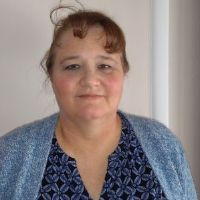




Kersten Borer
LIMHP
Nebraska - 25 yrs exp

















How addictions therapy works for Nebraska residents
If you are searching for addictions help in Nebraska, you will find that therapy typically begins with an assessment to map out your current challenges, history of substance or behavioral concerns and your goals for change. That assessment guides a treatment plan that is tailored to your situation - whether you are managing cravings, rebuilding relationships or addressing patterns that are linked with substance use. Therapists often use structured therapies that focus on skills - for example strategies that help you manage triggers, cope with stress and reduce the risk of relapse. Therapy can also include family involvement, referrals to medical care when medications may be helpful, and coordination with community services such as recovery groups and vocational supports.
Finding specialized help for addictions in Nebraska
You can look for a clinician who lists addictions as a specialty and who has experience with the particular substance or behavior you are addressing. Clinicians may hold credentials such as Licensed Clinical Social Worker or Licensed Professional Counselor and may also have additional training in substance use treatment. Treatment settings vary - you can find outpatient counseling, intensive outpatient programs, residential care and programs that combine individual therapy with group work. In larger urban centers like Omaha and Lincoln you will typically have more choices for specialized programs, whereas in smaller communities you may rely more on clinicians who offer telehealth or who coordinate services across several systems. Bellevue and Grand Island are examples of regional hubs where you may find both clinic-based care and community recovery resources.
Questions to guide your search
When evaluating a clinician, consider asking about their experience with addictions, the approaches they use and how they track progress toward recovery. You might ask whether they offer both individual and family sessions, how they handle relapse if it happens, and whether they work with other providers such as medical doctors or social services. If you have cultural or language needs, inquire about that as well - therapists who understand the local context in Nebraska communities can often provide more relevant support.
What to expect from online therapy for addictions
Online therapy has become a practical option in Nebraska, especially if you live outside a major city or have limited transportation. With teletherapy you can meet with a clinician by video or phone for assessments and ongoing counseling. You should expect the clinician to explain how sessions will be scheduled, how payment and insurance are handled and how they protect your privacy during virtual visits. Many therapists use a protected platform for video work and follow state regulations for telehealth, which helps ensure that appointments feel like a focused time for therapy. Online options can be especially useful if you need flexible scheduling around work, school or parenting responsibilities, and they can connect you with specialists who may not be available locally in smaller towns.
Common signs that someone in Nebraska might benefit from addictions therapy
You might consider seeking help if substance use or compulsive behaviors are starting to interfere with daily life. Signs include repeated attempts to cut back that do not work, drinking or using in risky situations, or finding that work performance, school, finances or relationships are suffering. You may notice increased secrecy, spending more time alone to use, or withdrawal from activities you once enjoyed. Physical signs and changes in mood or sleep can also accompany problematic use, but the decision to reach out often comes from the recognition that patterns are causing harm or preventing you from living the life you want. Whether you are in Omaha, Lincoln, rural counties or towns like Bellevue or Grand Island, recognizing these signals is an important step toward getting help.
Practical tips for choosing the right addictions therapist in Nebraska
Start by clarifying what you want from therapy and what practical constraints you have - for example when you can attend sessions, whether you prefer in-person meetings in a nearby city or the convenience of online appointments, and whether insurance coverage or sliding-scale fees matter to you. Look for clinicians who describe their approach to addictions and recovery, and who can explain how they measure progress. It is reasonable to ask about experience with specific substances or behaviors and to request a short initial conversation to sense whether their style fits your personality and goals. If you have family members who will be involved in treatment, ask how the therapist integrates family sessions or support services.
Considerations specific to Nebraska
Geography matters in Nebraska. If you live near Omaha or Lincoln you may have access to a larger range of outpatient and intensive options, as well as peer-led recovery meetings and community health centers. Residents of smaller towns may find that teletherapy expands their choices, allowing them to work with therapists based in larger cities. Transportation, weather and job schedules are practical factors to weigh - some clinicians offer evening or weekend appointments to accommodate busy lives. If you have legal or occupational concerns, seek a therapist who is familiar with local systems and can coordinate with other professionals when needed.
Building a working relationship and next steps
Therapy is a collaborative process. In the first few sessions you and your therapist will set goals, establish a plan and agree on how to evaluate progress. You should feel that your concerns are heard and that the therapist is helping you develop concrete skills and supports for change. Over time you will practice strategies for managing cravings, coping with stress and preventing relapse, and you may explore underlying issues that contribute to substance use. If one approach does not feel helpful, good clinicians will discuss alternatives or refer you to other services - for example group programs, medical evaluation or community recovery resources in places like Bellevue or Grand Island. Recovery often involves multiple steps and a combination of supports, and a therapist can help you navigate that path.
Finding support beyond therapy
Therapy can be paired with peer support groups, case management and medical care as needed. Community resources in Nebraska range from local support meetings to programs offered through health departments and nonprofit organizations. Your therapist can help identify options that match your needs and connect you with local networks in Omaha, Lincoln and other areas. If you are unsure where to begin, contacting a clinician listed on this page for an initial consultation is a practical way to learn about available resources and find a path that works for you.
Taking the first step can feel challenging, but you do not have to do it alone. Use the listings above to compare clinicians, read profiles that describe their specialties and approaches, and reach out to start a conversation about what recovery could look like for you in Nebraska.