Find a Veterans Therapist in Missouri
This directory highlights Missouri clinicians who focus on veterans and military-related concerns. Use the listings below to compare specialties, locations, and approaches and find a clinician that fits your needs.



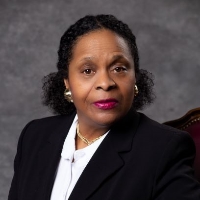
Sarah Williams
LCSW
Missouri - 7 yrs exp
















How veterans therapy works for Missouri residents
If you are a veteran living in Missouri, accessing mental health care typically begins with identifying a therapist whose experience aligns with military culture and the concerns you bring. Therapists who work with veterans often combine knowledge of military experiences with evidence-based psychotherapy methods. Sessions are structured conversations guided by clinical training and tailored to your goals - whether those goals involve managing stress, improving relationships, processing trauma, adjusting to civilian life, or coping with pain and sleep difficulties.
In Missouri, many providers hold credentials such as Licensed Professional Counselor, Licensed Clinical Social Worker, licensed psychologist, or Licensed Marriage and Family Therapist. Those credentials indicate state licensure and specific training paths. You can expect an initial intake session where the clinician asks about your background, current challenges, treatment preferences, and practical considerations like scheduling and insurance coverage. From there, you and the clinician will set objectives and agree on a therapy approach, frequency of sessions, and ways to measure progress.
Finding specialized help for veterans in Missouri
Finding a therapist who understands military life and the transition to civilian communities can make a meaningful difference. Many clinicians in Missouri list military cultural competence and experience with veterans as part of their profiles. You can narrow searches by looking for keywords like military, veteran, combat exposure, or reintegration. Local resources in cities such as Kansas City, Saint Louis, and Springfield often include community clinics, university counseling centers, and veteran-focused outpatient programs that collaborate closely with civilian therapists.
Beyond searching online, consider reaching out to neighborhood clinics, community health centers, or veteran support organizations in areas like Columbia or Independence for referrals. Some therapists maintain relationships with local veteran service organizations, making coordinated care easier if you are also using benefits or working with case managers. When you contact a listing, ask about specific experience with veteran populations, familiarity with military terminology, and whether they have worked with challenges common to service members, such as adjusting after deployment or coping with injuries that affect daily life.
What to expect from online therapy for veterans
Online therapy has become an accessible option for many veterans across Missouri, from urban neighborhoods in Kansas City to smaller towns outside Springfield. When you choose online sessions, expect to use a video platform or phone calls for appointments. Therapists will explain technology requirements and offer guidance on creating a comfortable environment at home for sessions - a quiet corner, good internet connection, and a headset can help. You should also discuss personal nature of sessions practices and how records are kept, as well as procedures for crisis situations and after-hours contact.
Online therapy can increase access if transportation or local availability is a barrier. It can also allow you to work with clinicians who specialize in veteran care even if they are located in a different Missouri city. However, licensing matters: many therapists are licensed to practice only within Missouri, so online sessions are generally with clinicians who are authorized to work with residents of this state. Make sure to confirm licensure and ask how the clinician handles state-specific regulations and emergency planning.
Common signs someone in Missouri might benefit from veterans therapy
You might consider reaching out for veterans therapy if you notice persistent changes in mood, relationships, or daily functioning following military service. Difficulty sleeping, recurring distressing memories of stressful experiences, avoidance of situations that remind you of service, or feeling constantly on edge may be signals that professional support could help. Changes in appetite, difficulty concentrating at work or school, increased substance use, or withdrawal from social activities are other signs that talking with a specialist could be beneficial.
Sometimes the need for help is not linked to dramatic symptoms but to quieter struggles - feeling disconnected from family after a deployment, uncertainty about career transitions, or trouble navigating benefits and paperwork. If everyday tasks feel heavier than they used to, or if you are curious about tools to manage stress and improve relationships, a therapist with experience in veterans issues can offer practical strategies and a framework for recovery. Remember that seeking help is a proactive step and does not require a crisis to be appropriate.
Tips for choosing the right therapist for veteran care in Missouri
Choosing a therapist is a personal decision and it helps to approach it with a few practical steps. Begin by reviewing clinician profiles to note education, licensure, and areas of specialty. Look for explicit mention of military experience or training in trauma-informed care. When you contact a therapist, ask about their experience with the kinds of issues you want to address, their typical treatment approaches, and whether they offer flexibility in session formats such as in-person meetings in places like Saint Louis or telehealth options for remote sessions.
It is reasonable to inquire about fees, insurance acceptance, and whether sliding scale options are available if cost is a concern. If you are using VA benefits or other veteran programs, discuss coordination of care and documentation needs up front. Trust your instincts during an initial conversation - a strong therapeutic fit often includes a sense of being heard and understood, and a clear explanation of how the clinician expects to work with you. If a therapist's approach or availability does not feel right, it is acceptable to keep looking until you find someone who matches your needs.
Navigating local considerations and follow-up care
The landscape of resources varies across Missouri, with larger metropolitan areas offering broader specialty options and smaller communities relying on regional providers. In Kansas City and Saint Louis you may find clinics that concentrate on veteran mental health, while in Springfield and Columbia community mental health centers and university-affiliated services can provide additional options. Independence and other mid-size towns often have clinicians with strong ties to local support networks, which can be helpful for practical matters and ongoing care coordination.
After you begin therapy, pay attention to how your goals are defined and reviewed. Regular check-ins on progress will help you and your clinician decide when to adjust strategies or consider complementary supports, such as group programs or case management. If you experience a crisis or an immediate safety concern, follow local emergency procedures or contact emergency services; ask your clinician about their crisis plan during intake so you know what to do between sessions.
Final thoughts
Finding a therapist who understands military life and the transition to civilian communities can make a meaningful difference in how you manage challenges and build resilience. Whether you prefer face-to-face sessions in a nearby office or online therapy from your home, Missouri offers a range of clinicians with experience working with veterans. Take time to review profiles, ask practical questions about experience and logistics, and choose a clinician who makes you feel heard and respected. Connecting with the right therapist is a practical step toward clearer coping strategies, improved relationships, and greater day-to-day functioning.