Find a Narrative Therapy Therapist in Missouri
Narrative Therapy helps people rethink the stories they tell about themselves and their relationships, emphasizing strengths and alternative meanings. Find practitioners across Missouri who use this collaborative approach - browse the listings below to compare specialties and locations.




David Markowitz
LPC
Missouri - 35 yrs exp
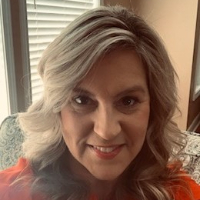




Steven Forsyth
LPC
Missouri - 25 yrs exp









What Narrative Therapy Is and the Principles Behind It
Narrative Therapy is a conversational approach that treats problems as separate from the person and focuses on how stories shape identity and behavior. Instead of labeling someone by a diagnosis, therapists who use this method work with you to identify dominant narratives - the recurring ways you make sense of events - and to explore how those narratives were formed. The central idea is that you are not defined by a problem; the problem is a thing that has influenced your life. Through careful questioning and reflection you and your therapist examine the assumptions that support limiting stories and look for moments that contradict them. Over time you build a richer, more nuanced story that better reflects your values, strengths, and hopes.
How Narrative Therapy Is Used by Therapists in Missouri
In Missouri, Narrative Therapy is applied across diverse settings - private practices in Kansas City and Saint Louis, community mental health centers in Springfield, college counseling offices, and remote sessions that reach rural areas. Therapists often adapt narrative techniques to fit local needs, paying attention to community ties, family histories, and cultural context. Practitioners may combine narrative methods with other supportive approaches to address practical challenges such as relationship stress, parenting concerns, or coping with job transitions. In urban areas like Kansas City and Saint Louis, therapists frequently address social and systemic influences on personal stories, while in smaller communities such as Columbia or Independence they often explore intergenerational narratives and local identity as part of therapy.
Issues Narrative Therapy Commonly Addresses
Narrative Therapy can be helpful when you want to change how a problem influences your life rather than simply reducing symptoms. Therapists use it for a range of concerns including persistent anxiety, low mood, relationship conflict, identity questions, trauma-related narratives, grief, and life transitions. When stories about the self become limiting - for example, a repeated belief that you are incapable or unlovable - narrative work helps you notice exceptions to those beliefs and collect evidence that supports alternate possibilities. This approach is also used to address cultural and systemic harms by naming the forces that contribute to problems and helping you reclaim agency in how you tell your story.
What a Typical Online Narrative Therapy Session Looks Like
An online Narrative Therapy session begins with an open, conversational check-in. Your therapist will invite you to describe a recent moment that felt important or problematic, and together you will explore the meaning of that moment. Early sessions often focus on externalizing language - naming the problem as something that affects your life rather than something that is you - and mapping how that problem has influenced relationships, decisions, and daily routines. Your therapist may ask about exceptions to the problem - times when it had less power - and will encourage you to notice skills or values present in those moments. Sessions can include reflective questions, storytelling exercises, visible timelines, and homework that invites you to document alternative storylines between sessions. When working online, therapists typically suggest you join from a quiet, comfortable setting and may use digital tools to share notes or visuals, making it easier to track progress over time.
Who Is a Good Candidate for Narrative Therapy
You may be a good fit for Narrative Therapy if you are comfortable exploring personal stories and open to reexamining ingrained beliefs. People who appreciate conversational, collaborative approaches tend to find narrative work particularly engaging because it emphasizes your expertise about your own life. This method can be supportive for individuals, couples, and families who want to shift unhelpful patterns without being reduced to labels. Narrative Therapy is also adaptable for people from diverse backgrounds because it foregrounds cultural narrative and the impact of social context. If you are dealing with an issue that feels wrapped up in identity, history, or relationships rather than purely biological symptoms, you may find narrative work especially useful.
How to Find the Right Narrative Therapy Therapist in Missouri
Begin by reviewing therapist profiles to learn about training and approach. Look for clinicians who explicitly mention Narrative Therapy training or experience with re-authoring work. Consider practical factors such as whether you prefer in-person meetings or online sessions, which may influence choices if you live outside major centers like Kansas City, Saint Louis, or Springfield. Pay attention to specialties - some therapists emphasize family and couples work, others focus on trauma-informed narrative practice or cultural and identity issues. Licensing credentials and professional background are useful to note, as are session length, fees, and insurance options. Many therapists offer an initial consultation so you can ask about how they integrate narrative techniques into treatment and whether their style aligns with your needs. During that first conversation ask how they collaborate with clients, what a typical course of therapy looks like, and how they measure progress. Feeling heard and understood in that initial contact is often a strong sign that you might work well together.
Practical Considerations for Missouri Residents
If you live in an urban area such as Kansas City or Saint Louis you will likely find a wide variety of narrative practitioners with different specialties and availability. In Springfield and other regional centers there are clinicians who bridge narrative work with community mental health, offering options that are accessible to local residents. If you live in a rural part of Missouri, teletherapy expands your choices and allows you to connect with therapists whose practice is located in another city. When choosing between in-person and online sessions consider commute time, your comfort with video technology, and whether you prefer meeting in a therapist's office or in a familiar setting at home. It is reasonable to ask prospective therapists about their experience with online narrative work and how they support clients in maintaining momentum between sessions.
Questions to Ask When Comparing Therapists
When you contact a prospective Narrative Therapy clinician, ask about their specific training in narrative methods and how they tailor the approach to different concerns. Inquire how they involve family members if you are seeking couples or family therapy, and how they address cultural or systemic factors relevant to your situation. Check practical details such as appointment availability, cancellation policies, fee structure, and whether they accept your form of payment or insurance. If you are seeking a therapist near a particular city - for example, someone familiar with Kansas City's neighborhoods, Saint Louis community resources, or Springfield's local services - it is appropriate to ask about their local experience. An initial session or phone consultation can help you evaluate rapport and whether the therapist's style helps you begin to reframe unhelpful narratives.
Moving Forward with Narrative Therapy
Starting Narrative Therapy is an invitation to become an active author in your own story. The process often begins with small shifts - noticing exceptions, naming influences, and reclaiming values - that accumulate into a clearer sense of agency. If you are ready to explore how stories shape your relationships and choices, use the listings above to connect with Narrative Therapy practitioners in Missouri. Scheduling an introductory session can help you determine whether this collaborative, reflective approach feels like a good fit for your goals.