Find a Sex Addiction Therapist in Missouri
This page lists therapists in Missouri who focus on sex addiction, including their credentials, treatment approaches, and areas served. Use the listings and filters to compare providers by city, approach, or insurance. Browse the profiles below to find a professional who matches your needs and request a consultation.


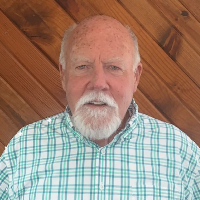




Heidi Brown Stratton
LCSW
Missouri - 6 yrs exp

















How sex addiction therapy typically works for Missouri residents
If you are considering therapy for problematic sexual behaviors, you can expect an initial assessment that looks at how the behaviors affect your life, relationships, work, and emotional well-being. That assessment is the starting point for an individualized plan that can include individual therapy, couples work, group support, and coordination with medical or psychiatric providers when appropriate. Sessions usually explore triggers, coping strategies, underlying trauma or emotional pain, and practical steps to reduce harm and restore functioning.
Therapists who work with sexual behavior concerns often draw from several approaches. Cognitive-behavioral techniques help you notice patterns of thinking and behavior that maintain compulsive actions and develop alternative choices. Relapse prevention strategies focus on early warning signs and coping plans so you can respond differently in high-risk situations. Some clinicians integrate trauma-informed care to address past experiences that contribute to acting out. Your therapist should explain the methods they use and how they fit your situation so you know what to expect as you move forward.
Finding specialized help for sex addiction in Missouri
When you look for help in Missouri, begin by checking clinician credentials and areas of focus. Licensed professional counselors, clinical social workers, marriage and family therapists, and licensed psychologists can all offer specialized services related to sexual behavior concerns. You can refine your search by location if in a metropolitan area like Kansas City, Saint Louis, or Springfield, or by neighborhoods and suburbs if you live near Columbia or Independence. Larger cities often provide more clinicians with specialized training, but many therapists in smaller communities provide skilled care and offer telehealth to bridge distance.
Insurance coverage, sliding-scale fees, and community resources vary across the state. Some clinics coordinate with psychiatric prescribers or offer group programs that focus on accountability and skill-building. If faith-based or culturally specific care is important to you, many therapists describe those orientations in their profiles, so you can find a clinician whose background and approach feel respectful of your values. It is reasonable to contact a few providers to ask about experience with sexual behavior concerns, common treatment goals, and typical session length so you can choose a good fit.
What to expect from online therapy for sex addiction
Online therapy has become a practical option for many Missourians, especially if you live outside major centers or prefer the convenience of remote sessions. When you choose telehealth, sessions are typically conducted by video or phone and follow the same therapeutic principles as in-person care. Your therapist will outline session structure, the frequency they recommend, and any homework or accountability practices that support your goals. Many people find that virtual sessions make it easier to maintain consistency while balancing work, family, or travel.
Licensure is an important consideration for telehealth. Therapists must follow licensing rules about where they can practice and who they can treat, so confirm that the clinician is authorized to provide services to residents of Missouri. Also ask about privacy protections, record keeping, and how online tools are used for assignments or tracking progress. If you live in a rural area of Missouri, virtual care may expand your options to include clinicians with specialized experience who are based in Kansas City, Saint Louis, or other regions.
Common signs you or someone you know might benefit from sex addiction therapy
You might consider reaching out for help if sexual behaviors cause persistent distress, interfere with relationships, or lead to repeated attempts to stop that are unsuccessful. Other signs include spending large amounts of time on sexual activities in ways that crowd out work or family responsibilities, hiding behaviors or lying about them, legal or financial consequences, or using sexual behavior as a primary way to cope with difficult emotions. Partners often report emotional distance, trust issues, or recurring conflicts that relate to the behaviors.
People differ in what feels problematic, so the deciding factor is how the pattern affects your life and goals. If sex-related behaviors lead to shame, isolation, or a sense that you cannot control impulses despite wanting to change, that is a reasonable reason to consult a clinician. Therapy can also help partners understand the pattern and develop healthier communication and boundaries if you choose to include couples work.
Tips for choosing the right sex addiction therapist in Missouri
Start by looking for clinicians who list experience with sexual behavior concerns and who describe their typical approach to assessment and treatment. During an initial call or consultation ask about their training in relevant methods, how they measure progress, and whether they have experience working with people who share your gender identity, sexual orientation, cultural background, or relationship style. Comfort and rapport matter a great deal - if you do not feel heard in early conversations, it is appropriate to look for another clinician.
Be practical about logistics. Ask about session frequency, fees, and whether they accept your insurance or offer a sliding-scale rate. Confirm whether they provide in-person sessions in locations like Kansas City or Saint Louis and whether they offer telehealth across Missouri. Inquire about group options if you think peer support would help, and about involvement of partners when relevant. If you have concerns about crisis situations, ask how they handle urgent needs and whether they coordinate with local emergency services when necessary.
Trust your instincts about fit. A therapist should be explicit about treatment boundaries, how progress is tracked, and what a typical course of care might look like. It is reasonable to ask for a brief initial meeting to gauge whether the therapist’s style and approach match what you need. Changing therapists after a few sessions is common and can be a healthy step toward finding the right match.
Local considerations and next steps
Missouri offers a mix of urban and rural settings, and where you live can shape what resources are readily available. In Kansas City and Saint Louis you may find a broader range of specialized groups and clinicians who focus on sexual behavior issues, while in Springfield, Columbia, Independence, and surrounding counties clinicians often balance in-person and telehealth work to serve clients across longer distances. If you live in a more rural area, online therapy expands access to specialists and can make it easier to attend regular sessions.
When you are ready to take the next step, compare profiles on this page, make a short list of providers who seem like a fit, and schedule a consultation. Asking targeted questions during that first contact will help you decide whether to move forward. If you or someone you care about is in immediate danger because of behavior that could lead to harm, contact local emergency services right away. For ongoing concerns, reaching out for an initial appointment is a constructive first move toward understanding patterns and building healthier routines that align with your values and goals.
Whether you choose in-person or online care, Missouri clinicians offer a range of perspectives and methods. Take your time to find a therapist who respects your experiences, listens without judgment, and works with you to develop realistic steps forward. The listings above are a practical starting point to connect with professionals who can support you through the process.