Find a Relationship Therapist in Missouri
This page lists relationship therapists serving Missouri, including clinicians in Kansas City, Saint Louis, Springfield and surrounding areas.
Browse the profiles below to compare specialties, approaches, and begin connecting with a therapist who fits your needs.











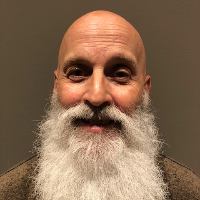
Timothy Klopfenstein
LPC
Missouri - 25 yrs exp









How relationship therapy works for Missouri residents
When you begin relationship therapy in Missouri, the process usually starts with an initial intake session where you and any participating partners talk about the challenges you want to address, your goals, and practical considerations like scheduling and fees. Therapists trained in couples or relationship work often assess communication patterns, recurring conflicts, emotional responsiveness, and how stressors - such as work, family, or health issues - affect the partnership. You should expect a collaborative process where the therapist helps you and your partner recognize unhelpful cycles and practice new ways of relating that can reduce tension and increase connection.
In both urban centers and smaller towns across the state, therapists adapt their methods to fit the needs of local communities. Whether you live near Kansas City or Saint Louis or in a more rural area, you can find clinicians who work with couples across the lifespan - from newly partnered adults to long-term marriages and blended families. Therapists may offer a combination of couple sessions and individual sessions when one or both partners benefit from separate time to process personal issues that affect the relationship.
Common approaches you may encounter
Relationship therapists draw from multiple approaches depending on your goals. Some clinicians emphasize communication skills and problem-solving to reduce conflict in day-to-day interactions. Others focus on attachment-based work to help partners feel more emotionally connected and responsive to each other. You may also come across experiential therapies that use structured exercises to shift interaction patterns, or integrative approaches that blend cognitive, behavioral, and systemic techniques. Your therapist will explain the rationale for their approach and tailor interventions to what works best for you and your partner.
Finding specialized relationship help in Missouri
Finding a therapist who specializes in relationship work means looking beyond general counseling credentials to the clinician's experience with couples and family systems. In Missouri, licensed marriage and family therapists, licensed professional counselors, and psychologists commonly provide relationship therapy. You can review profiles to find mentions of couple-focused training, certifications in specific methods, and years of experience working with relationship concerns. Cities like Springfield or Kansas City often have clinicians with training in evidence-informed models, while smaller communities may offer professionals who blend relationship work with general mental health support.
When you search for help, consider practical factors such as location, hours, and whether the therapist accepts your insurance or offers a sliding-scale fee. If you live near Saint Louis, you may find clinics that offer evening or weekend appointments to accommodate busy schedules. In more rural parts of Missouri, telehealth options can expand your choices and connect you with specialists who are not local to your town. It helps to read therapist biographies to understand their orientation - some work primarily with LGBTQ+ couples, others with high-conflict relationships or partners navigating major life transitions like parenthood or retirement.
What to expect from online relationship therapy
Online therapy has become a common way for Missouri residents to access relationship counseling. When you choose online sessions, you will typically receive an intake by video or phone and then continue with scheduled video sessions. Online work can be especially useful if partners live in different locations, have conflicting schedules, or if local options are limited. Many couples find that video sessions allow for greater flexibility while still supporting meaningful progress on communication and emotional connection.
To prepare for online sessions, make sure you have a reliable internet connection and a quiet, comfortable environment where you can speak openly. Your therapist will guide you on how sessions will run, including any tools or exercises used during video meetings. Some clinicians combine online sessions with occasional in-person meetings if that is feasible and helpful. You should discuss boundaries around session time, technology use, and how to handle any technical interruptions so that therapy maintains continuity and focus.
Signs you or your partner might benefit from relationship therapy
There are several patterns that often indicate it may be helpful to seek relationship therapy. If you notice that arguments follow predictable escalations that leave you feeling unseen or unheard, therapy can help you learn alternative ways to respond. Persistent distrust, repeated betrayal, or ongoing issues with intimacy and affection are also common reasons people reach out. You may consider therapy if you and your partner struggle to resolve the same issues despite repeated attempts, or if one or both partners avoid important conversations because they fear the outcome.
Other signs include major life transitions that shift relationship dynamics - such as having a child, relocating for work, retirement, or caregiving responsibilities - and stressful external factors like financial strain. If you or your partner experience intense reactions to conflict or patterns of withdrawal, a therapist can help identify underlying dynamics and introduce strategies to manage emotion, rebuild trust, and strengthen communication. Seeking help early can save time and emotional strain, and therapy is appropriate whether the issue is chronic or relatively new.
Tips for choosing the right relationship therapist in Missouri
Start by clarifying what you want to accomplish in therapy and what style of therapist feels like a match. Some couples prefer a directive therapist who teaches specific skills, while others want a more exploratory clinician who focuses on emotional processing. Look for indicators of experience with relationship work in therapist bios, including specialized training, workshops, or certifications that focus on couples therapy. Reading profiles in Kansas City, Saint Louis, or Springfield can give you a sense of available approaches and the types of relationships therapists commonly work with.
Schedule a brief consultation when possible to get a sense of rapport. During that call or first session, notice how the therapist frames the work, how they respond to your concerns, and whether they invite both partners to share perspectives. Ask about logistics that matter to you - session length, whether they offer in-person or online appointments, typical length of treatment, and how they handle situations where one partner wants different goals. Be upfront about your budget and ask if they provide sliding-scale options or take your insurance. If you rely on specific cultural or community knowledge, such as understanding norms in Midwestern families or the needs of military-affiliated couples, inquire about the therapist's experience in those areas.
Finally, trust your instincts. The right therapist should make you feel heard and respected, and should offer a practical plan for addressing your concerns. If a therapist's approach does not feel like a fit after a few sessions, it is reasonable to discuss adjustments or seek another clinician whose style aligns better with your needs. Therapy is a partnership, and finding a person you can work with comfortably is an important step toward making meaningful changes in your relationship.
Making therapy work for your life in Missouri
As you pursue relationship therapy in Missouri, remember that progress often comes from consistent effort and small, sustained changes rather than dramatic immediate shifts. Be open with your therapist about scheduling needs, cultural values, and any barriers that might affect participation, such as parenting responsibilities or commuting time in cities like Kansas City and Saint Louis. With thoughtful selection and a clear sense of goals, therapy can provide practical skills and new ways of relating that fit the rhythms of your life in Missouri.
If you are ready to begin, use the listings above to compare profiles, reach out for a consultation, and take the first step toward better communication and connection in your relationship.