Find an Older (45+) Therapist in Missouri
This page lists therapists in Missouri who focus on older adults (45+), including clinicians offering in-person and online options. Browse the profiles below to compare experience, approaches, and contact details to find a good fit.







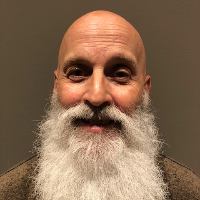
Timothy Klopfenstein
LPC
Missouri - 25 yrs exp







David Markowitz
LPC
Missouri - 35 yrs exp









How older (45+) therapy works for Missouri residents
When you search for a therapist who focuses on older adults, you are seeking professionals with experience in life stage transitions, age-related stressors, and the social changes that often accompany midlife and beyond. In Missouri, therapists who work with people 45 and older may carry credentials such as Licensed Clinical Social Worker, Licensed Professional Counselor, psychologist, or marriage and family therapist - each credential reflects different training and approaches. Therapy for older adults typically centers on collaborative talk therapy, problem solving, skills training, and coping strategies tailored to the concerns you bring, whether those are retirement planning stress, caregiving responsibilities, grief, chronic health adjustments, or changes in relationships.
Missouri therapists adhere to state licensing rules and ethical standards, so you can expect professionals to explain their training, specialties, and session structure when you reach out. Many clinicians combine evidence-based methods with practical supports to help you navigate the issues that become more common after 45. Whether you prefer weekly sessions, short-term focused work, or periodic check-ins during major life events, you can find clinicians who adapt to those preferences.
Finding specialized help for older (45+) in Missouri
Finding a therapist who understands the experiences of people in midlife and older adulthood often begins with looking for explicit mentions of age-focused work in a profile. Search for therapists who note experience with retirement adjustment, caregiver stress, grief and loss, life purpose, chronic illness adaptation, or age-related anxiety. Some clinicians highlight training in gerontology or later-life counseling, while others emphasize years of practice with adults across the lifespan and particular expertise with 45+ concerns.
Geography matters. If you live in Kansas City or Saint Louis, you have access to larger networks of specialists and may find clinicians who work closely with hospitals, elder services, and community organizations. In mid-sized cities like Springfield and Columbia, there are clinicians who blend general adult therapy with targeted work for older clients. If you live in a rural part of Missouri or a smaller town like Independence, online therapy expands your options and makes it easier to connect with clinicians whose schedules and approaches match your needs. When you review profiles, look for clear descriptions of experience, common issues treated, and the therapist's approach to working with older adults.
What to expect from online therapy for older (45+)
Online therapy in Missouri makes it possible to meet your therapist from home, a family member's house, or another comfortable environment. Sessions may be held by video call, phone, or a combination depending on the therapist's offerings and your preferences. Before your first online appointment you will usually get information about how sessions are scheduled, how to connect, and what to do if technology fails. Most therapists will walk you through a brief intake process to discuss your goals, current concerns, past mental health history, and any medical conditions that may affect therapy.
Online therapy can be especially helpful if mobility, transportation, or caregiving responsibilities make in-office visits difficult. It can also give you access to clinicians in urban centers like Kansas City or Saint Louis even if you live outside those areas. When choosing online care, consider practical details such as the technology platform used, whether the therapist offers phone sessions as an alternative, and how they handle scheduling across time zones or work hours. You should also ask about fees, insurance billing, and any sliding scale options if cost is a concern.
Common signs that someone in Missouri might benefit from older (45+) therapy
You might consider reaching out to a therapist if you notice persistent changes in mood, sleep, appetite, or daily routines that interfere with your ability to function. You might also seek therapy after major life transitions such as retirement, relocation, loss of a spouse or close friend, changes in physical health, or new caregiver responsibilities. Feeling increasingly isolated, having worry that limits your activities, or struggling to find meaning in day-to-day life are also common reasons people your age pursue therapy.
Concerns about memory or concentration can feel especially worrying at midlife and later, and therapists can help you distinguish between stress-related cognitive changes and issues that may need medical evaluation. If family dynamics, blended relationships, or intergenerational tensions are causing strain, a therapist experienced with older adults can help you navigate communication, boundaries, and relationship repair. You do not have to wait until a problem becomes severe to reach out - therapy can be a proactive way to improve quality of life and cope with predictable stressors.
Tips for choosing the right therapist for this specialty in Missouri
Start by identifying what matters most to you in a therapeutic relationship. Some people prioritize shared life experience - a therapist who is also older may feel more relatable. Others prioritize therapeutic approach - cognitive behavioral methods, acceptance-based approaches, psychodynamic work, or a family systems focus. When you review profiles on this site, look for clear language about the therapist's methods and the populations they serve. Many therapists offer a brief phone consultation; use that opportunity to ask about their experience with midlife and later-life issues, how they structure sessions, and what outcomes they aim for with clients who share your concerns.
Practical considerations are important. Confirm whether a therapist accepts your insurance or offers a fee structure that fits your budget. If accessibility is a factor, ask about office locations, parking, and whether the clinician offers home visits or community-based sessions in your area. Residents in Kansas City and Saint Louis may find a wider range of in-person options, while those in Springfield, Columbia, Independence, and rural areas may rely more on online appointments. Consider scheduling flexibility and how quickly you can get an initial appointment if you are seeking timely support.
Questions to ask before you start
When you contact a therapist, asking a few focused questions can help you determine fit. You might ask about the clinician's experience with people in your age group, how they approach common concerns such as grief or caregiving stress, whether they work with families, and what a typical course of therapy looks like. It is also reasonable to ask about session length, cancellation policies, and how emergencies are handled. A good match often comes down to both clinical expertise and how comfortable you feel speaking with the clinician, so trust your impressions while also weighing objective factors.
Making the first step
Beginning therapy can feel like a big step, but you control the pace. You can start with a single consultation to see how it feels, request a short-term plan with goals, or commit to ongoing sessions if that suits your needs. If a therapist is not the right fit, it is okay to try another clinician until you find someone who understands your concerns and communicates in a way that supports your goals. Remember that effective therapy is a collaborative process - you and your therapist work together to identify priorities and measure progress.
Across Missouri - from Kansas City neighborhoods to Saint Louis suburbs, from Springfield clinics to smaller communities - there are therapists who focus on the unique needs of older adults. Use the listings above to explore profiles, read about approaches and training, and reach out to clinicians who align with your priorities. Taking that first step can open the door to practical strategies and supportive conversations that help you move forward with more confidence and balance.