Find an Isolation / Loneliness Therapist in Missouri
This page lists therapists across Missouri who specialize in isolation and loneliness. Use the listings below to compare credentials, therapeutic approaches, and availability in cities such as Kansas City, Saint Louis, and Springfield.








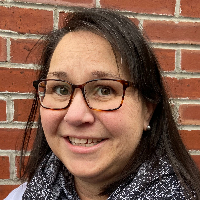
Sarah Williams
LCSW
Missouri - 7 yrs exp













How isolation and loneliness therapy works for Missouri residents
If you are feeling disconnected or cut off, therapy can help you understand the patterns that contribute to those feelings and build practical ways to reconnect. Therapists who focus on isolation and loneliness often combine evidence-based approaches like cognitive-behavioral techniques, interpersonal therapy, and skills-based coaching. Treatment typically begins with an assessment of how isolation shows up in your life - whether that looks like withdrawing from social opportunities, struggling to trust others, or feeling chronically empty despite being around people.
In practical terms you can expect a mix of exploration and skill building. A therapist will help you identify thoughts and behaviors that maintain isolation, practice ways of initiating contact or repairing relationships, and set manageable social goals. Some clinicians emphasize social skills and role-play to increase confidence, while others focus on rethinking negative beliefs about connection. The pace and focus will depend on your goals and whether you prefer short-term structured work or a longer, more exploratory approach.
Finding specialized help for isolation and loneliness in Missouri
When you look for a therapist in Missouri, consider licensure and experience related to social disconnection. Mental health professionals in the state may hold credentials such as licensed professional counselor, licensed clinical social worker, or psychologist. It is reasonable to look for therapists who list isolation, loneliness, social anxiety, or relationship concerns among their specialties. Some clinicians have additional training in group treatment, which can be very beneficial when the goal is to practice social interaction in a supportive setting.
Your location will shape what options are easiest to access. In larger metro areas like Kansas City and Saint Louis, you may find a broader range of specialists and group programs. Springfield and Columbia also have active counseling communities and academic resources that create opportunities for daytime and evening appointments. If you live in a smaller town or a rural part of Missouri, look for therapists who offer flexible hours or telehealth so you can receive consistent support without long travel times.
Practical considerations when searching
Think about logistics that matter to you - whether you prefer in-person sessions near a particular neighborhood, evening availability around work hours, or clinicians who work with specific age groups such as young adults or older adults. Experience with cultural background, life stage, or faith perspective can also affect fit, and many clinicians list these areas on their profiles. You can use the listings below to filter by specialty, therapy style, and city so you can narrow options in Kansas City, Saint Louis, Springfield, Columbia, or Independence.
What to expect from online therapy for isolation and loneliness
Online therapy has become a common and useful option for addressing isolation because it reduces travel barriers and expands your choice of therapists. If you choose telehealth, sessions will usually take place via video or phone, following an initial intake to set goals and agree on practical details like scheduling and payment. Many people find that beginning with online sessions makes it easier to talk about feelings of loneliness, and then they transition to some in-person work or group participation as social confidence grows.
Technology needs are minimal - a device with a camera and a reliable internet connection is typically enough. Ask a potential therapist about their approach to privacy protections and how they handle recordkeeping and emergency planning. It is also helpful to clarify whether they are licensed to practice in Missouri if you plan to work with someone who lives out of state, since licensure rules affect the kinds of services they can offer across state lines.
How online and in-person work together
Some therapists blend online and face-to-face sessions as you progress. You might begin with weekly video sessions to build coping skills and then move into occasional in-person meetings or community-based activities to practice social steps. Group therapy conducted online can also provide a meaningful practice environment, allowing you to test conversation skills and receive feedback from peers who understand the challenge of feeling isolated.
Common signs that someone in Missouri might benefit from isolation and loneliness therapy
You might consider reaching out to a therapist if you notice persistent patterns that interfere with daily life. Signs include avoiding invitations or opportunities for connection, feeling drained by social contact or alternating between craving company and withdrawing, and experiencing long periods of boredom or emptiness. You might also find that isolation affects other areas - difficulty concentrating at work, changes in sleep or appetite, or worsening tension and worry.
Loneliness can show up differently depending on your age and situation. Young adults may struggle with forming new friendships after school or moving for work, while older adults may face shrinking social networks after retirement or loss. Whatever your stage of life in Missouri, recognizing the pattern is often the first step toward change. Therapy can help you reframe expectations, repair relationships, and make small social steps that accumulate into meaningful connection.
Tips for choosing the right therapist for this specialty in Missouri
Begin by clarifying what you want from therapy - do you want to reduce feelings of loneliness, practice social skills, rebuild relationships, or find community activities that match your interests? Once you know your priorities, use listings to compare clinicians who advertise relevant experience. Pay attention to therapeutic approach, years of experience, and whether they offer group options or community referrals. You can reach out for an initial conversation or consultation to get a sense of whether the therapist’s style feels like a good fit.
Consider practical fit as well. If you live in a busy area of Kansas City or Saint Louis, proximity and public transit access may affect your willingness to attend in-person sessions. In college towns like Columbia you may find clinicians with experience supporting students and young adults. If cost is a concern, ask about sliding scale fees, payment options, and whether the therapist accepts your insurance. Don’t hesitate to ask about language options, cultural competence, or experience working with particular life transitions.
Trust your instincts during the first few meetings. Feeling heard and understood is more important than matching every credential. If a therapist suggests goals that match yours and offers clear ideas for practical steps - such as joining a group, rehearsing conversations, or setting small social goals - you are likely working with someone who can support change. It is also appropriate to switch therapists if the fit is not right; therapy is a personal process and finding the right match can make a significant difference.
Next steps and local resources
When you are ready, use the listings above to view clinician profiles, see which cities they serve, and request an appointment. If you are interested in group options or community activities, ask therapists about local meetups, volunteer opportunities, or workshops that align with your interests. For many Missourians, a combination of individual therapy and community-based involvement helps rebuild social networks and reduce the sense of isolation.
Reaching out is often the hardest step. Whether you are in Kansas City, Saint Louis, Springfield, Columbia, Independence, or elsewhere in Missouri, a therapist who specializes in isolation and loneliness can help you identify practical actions and emotional changes that restore connection and meaning. Browse the profiles below to explore options and take the next small step toward feeling more connected.