Find a Dependent Personality Therapist in Missouri
This page connects you with therapists in Missouri who focus on dependent personality concerns and related relationship patterns. Browse the listings below to compare specialties, approaches, and availability across the state.












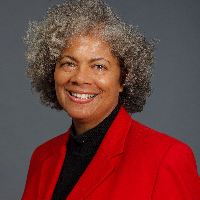
Heidi Brown Stratton
LCSW
Missouri - 6 yrs exp











How dependent personality therapy works for Missouri residents
If you are exploring dependent personality therapy in Missouri, it helps to know what the work typically involves. Therapy is often a collaborative process where you and a clinician identify patterns that make it hard to make decisions, maintain independence, or feel confident outside of close relationships. Treatment commonly blends skill-building with insight-oriented work so you can develop greater self-reliance, communicate needs more clearly, and manage anxiety that arises when you try to act independently. Sessions generally focus on concrete goals you set with your therapist and practical steps you can take between appointments to practice new behaviors.
In Missouri, clinicians bring a range of training to this work, from cognitive-behavioral techniques that target thinking and behavior to attachment-informed approaches that explore relationship history. Many therapists also integrate relational and experiential methods to help you practice new ways of connecting while building autonomy. The pace and intensity of therapy will depend on your goals, the severity of symptoms, and whether you choose weekly sessions, biweekly appointments, or time-limited therapy focused on a specific transition or decision.
Finding specialized help for dependent personality in Missouri
Start your search by looking for therapists who list dependent personality, attachment issues, or relationship dependency among their specialties. In larger metro areas like Kansas City and Saint Louis you will often find clinicians with specialized training in personality-related concerns, trauma-informed care, and adult attachment work. In college towns such as Columbia or communities like Springfield and Independence, clinicians may also have experience supporting young adults as they move toward independence and form new relationships.
When reviewing profiles, pay attention to the clinician's therapeutic orientation, years of experience, and any additional training in areas such as trauma, family therapy, or anxiety management. Licensure type can indicate the clinician's training background - common credentials include licensed professional counselors, clinical social workers, marriage and family therapists, and psychologists. If you have questions about a therapist's experience with dependent personality traits, a brief initial phone call or message can clarify whether their approach matches what you are looking for.
What to expect from online therapy for dependent personality
Online therapy can be a flexible option if you live in a rural part of Missouri or have scheduling constraints. When you choose remote sessions, you can work with a clinician who has relevant expertise even if they are based in a different city. You can expect sessions to follow a similar structure to in-person work - check-in, focused intervention, and planning for practice between sessions. Therapists may use guided exercises, role-play, and homework assignments to help you practice boundary-setting and decision-making in everyday life.
Before starting online therapy, confirm practical details such as whether your therapist is licensed to practice in Missouri and what platform they use for video sessions. Discuss how records are kept, how to handle emergencies, and what the cancellation and payment policies are. If you prefer a mix of in-person and remote work, many clinicians in cities like Kansas City, Saint Louis, and Springfield offer hybrid schedules to accommodate different needs.
Common signs that someone in Missouri might benefit from dependent personality therapy
You might consider seeking help if you notice persistent patterns that interfere with your goals or relationships. Signs that therapy could be helpful include chronic difficulty making everyday decisions without excessive reassurance, intense avoidance of being alone, relying heavily on others for emotional support or major life choices, and staying in unhealthy relationships out of fear of being left. You may also experience anxiety when you attempt to act independently or feel overwhelmed by responsibility even for routine tasks.
These patterns can affect work, school, and social life. For instance, you may pass up job opportunities that require relocation or assertiveness, or you may struggle to set appropriate limits with family or romantic partners. Therapy aims to help you gradually build tolerance for independence, practice assertiveness, and create a stronger sense of self. If you live in a close-knit community or have family pressures, a therapist familiar with local cultural dynamics can help you navigate those influences while pursuing personal growth.
Tips for choosing the right therapist for this specialty in Missouri
Choosing a therapist is a personal decision, and several practical considerations can guide you. Begin by defining what you want from therapy - do you want to reduce anxiety about being alone, improve decision-making, set firmer boundaries, or heal attachment wounds from the past? Look for clinicians who explicitly mention experience with dependent traits, attachment work, or relational therapy. A therapist who describes a clear approach to building autonomy and boundary skills is a strong fit for many people dealing with dependency concerns.
Consider logistics such as location, availability, fees, and whether the therapist accepts your insurance or offers sliding scale fees. If you live in or near major centers like Kansas City, Saint Louis, Springfield, Columbia, or Independence you may have more options for in-person appointments. If you are elsewhere in the state, telehealth can expand your choices. When you contact a therapist, ask about typical treatment length, what progress usually looks like, and examples of strategies they use in sessions. It can be helpful to request an initial consultation to get a sense of rapport and whether their style suits you.
Practical considerations and local resources
Missouri has a mix of urban and rural areas, so transportation and access can shape your options. In metro areas you may find evening or weekend appointments that fit a work schedule, while in smaller towns you might need to plan for travel or rely more on online sessions. If you are a student or affiliated with a college, campus counseling centers in places like Columbia often have resources for young adults navigating independence. Community mental health centers and nonprofit clinics may offer lower-cost services if insurance is a barrier.
When contacting a therapist, be prepared to discuss payment methods, whether they work with insurance, and the expected length of treatment. Some clinicians offer brief consultations at no cost so you can ask about their experience with dependent personality concerns, their therapeutic approach, and how they measure progress. Choosing someone who listens to your priorities and respects your pace is often more important than matching every listed credential.
Moving forward with therapy
Starting therapy is a step toward greater autonomy and healthier relationships. You will likely encounter moments of discomfort as you practice new behaviors, and a skilled therapist can help you tolerate that discomfort while reinforcing small successes. Over time you can expect to gain clearer decision-making skills, more confidence in standing on your own, and improved ways of asking for support without becoming overly dependent.
Whether you begin with in-person sessions in Kansas City, remote work with a therapist elsewhere in Missouri, or a mix of both, the key is finding a clinician who understands dependent personality patterns and has a practical approach that fits your life. Use the listings above to compare profiles, ask targeted questions during consultations, and choose a therapist who feels like a constructive partner in your growth journey.