Find a BDSM Therapist in Missouri
This directory page highlights therapists in Missouri who offer BDSM-aware and kink-competent care. Browse the listings below to compare approaches, locations, and availability across the state.



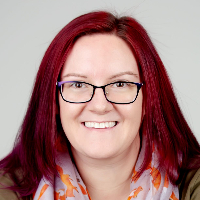
Heidi Brown Stratton
LCSW
Missouri - 6 yrs exp




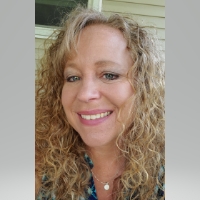
Catherine Heil
LCSW
Missouri - 12 yrs exp













How BDSM therapy typically works for Missouri residents
When you begin BDSM-focused therapy in Missouri, the process usually starts with an intake conversation to understand your goals and your context. That initial meeting gives the therapist a chance to learn about your relationship style, community involvement, and any events or concerns that brought you to therapy. Sessions often emphasize clear communication, consent frameworks, and practical skills for negotiation and aftercare. Therapists who work with kink communities tend to take a nonjudgmental, sex-positive stance and aim to help you integrate your interests into healthier relationships and daily life.
Therapy can address a range of needs - from improving communication with partners to processing an upsetting scene or navigating stigma. If you prefer in-person care, metropolitan areas like Kansas City, Saint Louis, and Springfield have clinicians with experience in kink-competent practice. If you live outside those centers, many therapists offer remote sessions that expand access across Missouri.
Initial steps and what to expect in session
At your first appointment you can expect a conversation about boundaries, goals, and practical logistics. A good therapist will ask about how you and your partners define consent, what you mean by safety, and what has worked or not worked in past relationships. You can also discuss personal nature of sessions policies, scheduling, fees, and whether the therapist uses telehealth as part of their practice. Over the first few sessions you and the clinician will develop a plan that may include communication skills, emotional regulation strategies, safety planning, and referrals to community resources or medical providers when needed.
Finding specialized BDSM help in Missouri
Locating a therapist with relevant experience in Missouri starts with targeted searches and careful questions. Look for clinicians who describe themselves as kink-competent, sex-positive, or experienced with alternative relationship structures. Professional credentials like Licensed Professional Counselor, Licensed Clinical Social Worker, or Licensed Marriage and Family Therapist indicate clinical training, while additional training in sex therapy or trauma-informed care can be particularly useful for BDSM-related concerns. Community referrals and event organizers in Kansas City or Saint Louis can also point you to clinicians who understand local culture and resources.
If you live in smaller towns or rural parts of the state, online care expands your options. You can still find a clinician who understands kink dynamics and who will respect your lifestyle. When reviewing profiles, check whether clinicians list relevant training, mention non-pathologizing language, and indicate experience with negotiation, consent education, and aftercare practices.
What to expect from online therapy for BDSM
Online therapy has become a practical option for many Missourians. It can remove geographic barriers and let you work with clinicians who specialize in kink even if they are based in a different city. Remote sessions tend to follow the same therapeutic framework as in-person work: assessment, goal-setting, skill-building, and follow-up. Technology allows for flexible scheduling and can be helpful if you have limited local options or busy schedules.
When choosing online care, consider how you will manage privacy at home and how comfortable you feel discussing sensitive topics over video. You may want to use a room where interruptions are unlikely and agree with your therapist on how to manage safety issues that arise during a session. It is reasonable to ask about the clinician's approach to crisis support and whether they can connect you to local resources in Missouri if urgent needs arise. Also confirm that the therapist is licensed to provide care to clients in your state, as licensing rules influence who can practice across state lines.
Common signs that BDSM therapy may be helpful
You might consider seeking BDSM-informed therapy when aspects of kink involvement create ongoing stress, relational conflict, or emotional difficulty. Signs include repeated difficulty negotiating boundaries with partners, lingering shame or anxiety related to kink identity, trouble recovering from a scene or agreement that went wrong, or persistent miscommunication that undermines trust. Therapy can also be a resource if you are negotiating new roles, exploring transitions in relationship structures, or working through issues of jealousy, compersion, or attachment that intersect with your kink life.
People sometimes seek therapy after incidents that raised safety concerns or when a scene left them feeling emotionally overwhelmed. Others come because they want to strengthen consent conversations, improve aftercare, or resolve differences in desire within a relationship. In many cases, therapy helps you translate community norms into personal practices that protect emotional and physical well-being.
Tips for choosing the right BDSM therapist in Missouri
Finding the right clinician is both practical and personal. Start by reading profiles and looking for language that signals respect for kink and diverse relationships. When you contact a therapist, a brief consultation call can help you assess fit - notice whether they ask thoughtful questions about boundaries and consent and whether they use neutral, nonjudgmental language. Ask about their experience with issues similar to yours, any specialized training they have, and how they approach couples or group dynamics if that is relevant.
Consider logistics like location and availability. If in-person sessions matter to you, check options in Kansas City, Saint Louis, or Springfield where broader services are more common. If online sessions are preferable, confirm the clinician's hours, technology requirements, and how they handle recordkeeping and referrals. Practical concerns such as fees, sliding scale availability, and transportation can be just as important as therapeutic style.
Working with partners and different relationship structures
If you are seeking therapy as a couple or within a polyamorous arrangement, look for a clinician comfortable with multiple-partner dynamics and with techniques to support negotiation, boundary-setting, and equitable communication. A therapist who has experience facilitating discussions about power exchange can help you develop rituals and rules that reflect agreed-upon roles while addressing emotional needs. In relationships where kink intersects with other concerns - such as trauma history or substance use - a clinician who is both trauma-informed and kink-aware can help you navigate these overlapping issues with care.
Practical next steps in Missouri
Begin by browsing the therapist listings on this page and noting a few profiles that feel promising. Reach out to ask specific questions about experience, approach, and fit. If you are near a metropolitan area like Kansas City or Saint Louis, consider whether in-person meetings would be useful for certain parts of your work while maintaining remote sessions for convenience. If you are outside those centers, prioritize clinicians who offer telehealth and who can connect you to local resources when needed.
Ultimately, the right match will be a clinician who listens without judgment, understands the language and rituals of kink culture, and helps you articulate practical steps toward healthier communication and safer scenes. Use initial consultations to evaluate both skill and rapport, and remember that it is acceptable to try a few therapists before settling on the one that fits your needs. When you find someone who respects your identity and supports your goals, therapy can become a valuable space for growth, healing, and clearer relationships within Missouri's communities.