Find a Sexual Trauma Therapist in Mississippi
This page features therapists across Mississippi who specialize in sexual trauma treatment and support. Visitors can view clinician profiles, therapy approaches, and office locations in cities such as Jackson, Gulfport, and Hattiesburg. Browse the listings below to compare providers and reach out to those who seem like a good fit.




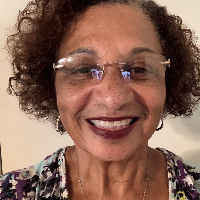




Chinnika Crisler
LCSW
Mississippi - 13 yrs exp





LaKeshia Fisher
LPC
Mississippi - 12 yrs exp










How sexual trauma therapy works for Mississippi residents
If you are seeking help after sexual trauma, therapy is a process that focuses on your safety, stabilization, and healing at a pace that feels manageable. Therapists trained in this specialty use a range of evidence-informed approaches to address symptoms such as intrusive memories, anxiety, difficulty sleeping, mistrust in relationships, and challenges with emotion regulation. In Mississippi, the path you follow will reflect local resources, cultural context, and your personal preferences - whether that means working with a clinician in Jackson, meeting with someone near the Gulf Coast in Gulfport or Biloxi, or connecting with a therapist who serves rural communities and towns like Hattiesburg.
Initial sessions typically center on building a therapeutic relationship and creating a plan for care. Your therapist will ask about current safety, support systems, and coping strategies, and will work with you to set goals. Some people move quickly into trauma-focused interventions after a few sessions, while others spend more time on stabilization and grounding skills. The pace is chosen collaboratively so that you remain in control of how your story is explored.
Common approaches used in sexual trauma therapy
There are several therapeutic approaches that clinicians may use alone or in combination. Many of these focus on processing traumatic memories and reducing their emotional charge, while others emphasize skill-building to improve daily functioning and wellbeing. Therapists in Mississippi may be trained in trauma-focused modalities, attachment-based work, somatic approaches that pay attention to bodily sensations, and cognitive-behavioral strategies that help reframe unhelpful beliefs. The specific method is less important than the fit between you and the therapist and how comfortable you feel discussing your experience.
Finding specialized help for sexual trauma in Mississippi
Finding a therapist who specializes in sexual trauma means looking for clinicians who list trauma, sexual assault, or related concerns among their areas of expertise. In metropolitan areas like Jackson and Gulfport there is often a wider range of specialists, including clinicians who work with survivors of all ages and with diverse backgrounds. In smaller communities, you may find skilled clinicians who combine trauma work with other areas of practice, or you might choose to work with a therapist who offers remote sessions to expand your options.
When reviewing profiles, pay attention to the therapist's training and experience with trauma-specific approaches, their work with populations similar to yours, and any additional services they offer such as group therapy or family support. Consider practical details too - whether they accept your insurance, offer sliding scale fees, or have evening and weekend availability that matches your schedule. Contacting several therapists to ask brief questions can help you identify someone whose expertise and style feel right for you.
What to expect from online therapy for sexual trauma
Online therapy has become a widely used option and can be particularly helpful when specialized trauma providers are not nearby. If you choose remote sessions, you can expect a structure similar to in-person work - assessment, treatment planning, and therapeutic interventions - adapted for a virtual setting. Many clinicians use secure video platforms and follow professional standards to protect professional boundaries and the quality of care. You should discuss privacy concerns, technology needs, and emergency plans at the outset so that both you and your therapist know how to manage unexpected situations.
Online therapy may allow you to work with a therapist outside your immediate city. For instance, someone living in a rural area of Mississippi might connect with a clinician licensed in the state who practices from Jackson or Hattiesburg but offers telehealth sessions. That can increase access to trauma specialists, including those trained in specific interventions. If you try online work, give yourself time to adjust to the format - some people find it easier to open up at home, while others prefer the physical separation of traveling to an office.
Practical considerations for online sessions
Before beginning virtual therapy, talk with your therapist about how sessions will be conducted, how to handle interruptions, and whether you will use video, phone, or messaging. Establishing a comfortable and private place for sessions is important, and many people find that a consistent location helps maintain emotional safety. Ask about session length, cancellation policies, and how progress will be measured so expectations are clear from the start.
Signs you might benefit from sexual trauma therapy
There is no single symptom that indicates therapy is needed, but several common experiences suggest professional support could be beneficial. If you find yourself repeatedly reliving distressing memories, avoiding places or people that remind you of an event, or struggling with intense emotions that interfere with relationships or work, these are signs that therapy could help. Changes in sleep or appetite, heightened startle responses, difficulty trusting others, or increased use of substances to cope are additional indicators.
Some survivors notice shifts in how they relate to intimacy, boundaries, or parenting after trauma. Others feel numb or disconnected from emotions and relationships. If symptoms have persisted for months or are worsening, or if they impact your ability to function day-to-day, connecting with a therapist who understands sexual trauma can provide tools for relief and recovery. Therapy is not only for those who want to process memories - it can also offer practical skills for managing anxiety, improving sleep, and repairing trust in relationships.
Tips for choosing the right therapist for sexual trauma in Mississippi
Selecting a therapist is a personal decision that combines clinical expertise with interpersonal fit. Start by looking for clinicians who explicitly state experience with sexual trauma or trauma-related disorders. Read profiles to learn about their training, therapeutic approaches, and populations served. When you reach out, prepare a few questions about their experience, their typical treatment plan for trauma, and how they support clients during intense emotional moments.
Consider logistical factors that matter to you. If you prefer in-person work, search for therapists in or near Jackson, Gulfport, Hattiesburg, or Biloxi. If access is limited in your area, prioritize clinicians who offer remote care across Mississippi. Think about whether you want someone who can involve family members, support survivors of specific ages, or coordinate care with medical providers. Trust your instincts during an initial consultation - feeling heard, respected, and able to communicate openly are strong indicators of a good match.
When to change therapists
If you begin therapy and notice that the approach does not feel helpful, or you do not feel comfortable sharing important parts of your history, it is reasonable to seek a different clinician. Changing therapists does not mean failure - it means advocating for the kind of support that best suits your needs. A thoughtful therapist will also discuss referrals when a different specialty or level of care would be more appropriate.
Accessing care and next steps
Getting started can feel daunting, but small steps can lead to meaningful progress. Begin by reviewing profiles on this page, noting clinicians whose backgrounds match your needs, and reaching out for brief consultations. Preparing a few questions in advance can make those calls or messages more productive. If cost or scheduling is a concern, ask about sliding scale fees, community resources, or group offerings that might fit your situation.
Healing after sexual trauma often involves learning new ways to feel safe in the present, managing distressing symptoms, and rebuilding trust in yourself and others. With a therapist who understands trauma and the particular context of life in Mississippi, you can pursue a path tailored to your goals. When you are ready, reach out to a clinician in your area or via telehealth to explore what support would look like for you.